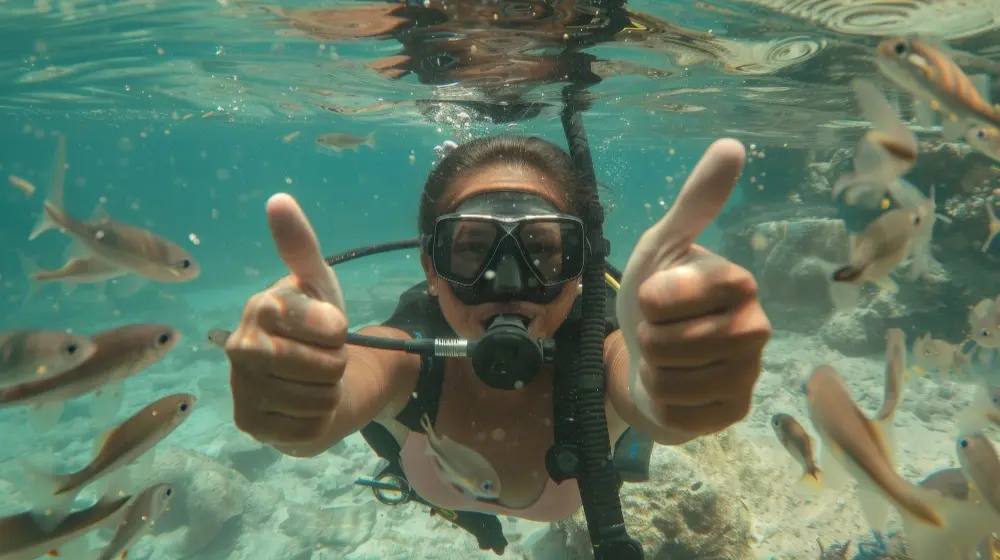
Islamorada and Key Largo both offer world-class snorkeling in the Florida Keys, but they deliver very different experiences. Key Largo draws crowds to famous attractions like John Pennekamp Coral Reef State Park, while Islamorada offers equally stunning reefs with smaller groups and a more relaxed vibe. The best choice depends on whether you want iconic landmarks or a more personal underwater adventure.
The Florida Keys Reef System
Both destinations sit within the Florida Keys National Marine Sanctuary, which protects approximately 4,539 square miles of waters surrounding the Keys. This sanctuary is home to North America’s only living coral barrier reef—the third largest in the world—along with more than 6,000 species of marine life.
Whether you choose Islamorada or Key Largo, you’re snorkeling in protected waters with exceptional visibility and biodiversity that rivals Caribbean destinations. The real differences come down to crowd levels, reef character, and overall experience.
Key Largo: The Famous First Stop
Key Largo markets itself as the “Diving Capital of the World,” and for good reason. John Pennekamp Coral Reef State Park, established in 1963, was the country’s first underwater park. It covers roughly 70 nautical square miles and attracts visitors from around the world.
The Highlights
The star attraction is the Christ of the Abyss statue, a nine-foot bronze sculpture submerged at Key Largo Dry Rocks. It’s become one of Florida’s most photographed underwater sites. Other popular spots include Molasses Reef and Grecian Rocks, both offering vibrant coral formations and abundant marine life.
Reef depths at Key Largo’s popular sites typically range from 5 to 30 feet, with snorkeling tours visiting the shallower inner reefs. The glass-bottom boat tours head to Molasses Reef, about 6.5 miles offshore, where depths reach 10 to 30 feet.
The Trade-Offs
Popularity brings crowds. During peak season, you’ll share the water with dozens of other snorkelers. Group tours departing from Pennekamp typically carry 20-40 passengers, and popular reef sites can feel congested.
If you’re looking for solitude with your snorkel mask, Key Largo probably isn’t it.
Islamorada: The Local’s Choice
Drive 20 minutes south and you’ll find Islamorada, often called the “Sportfishing Capital of the World.” But the snorkeling here rivals anything in Key Largo—with a fraction of the crowds.
Alligator Reef
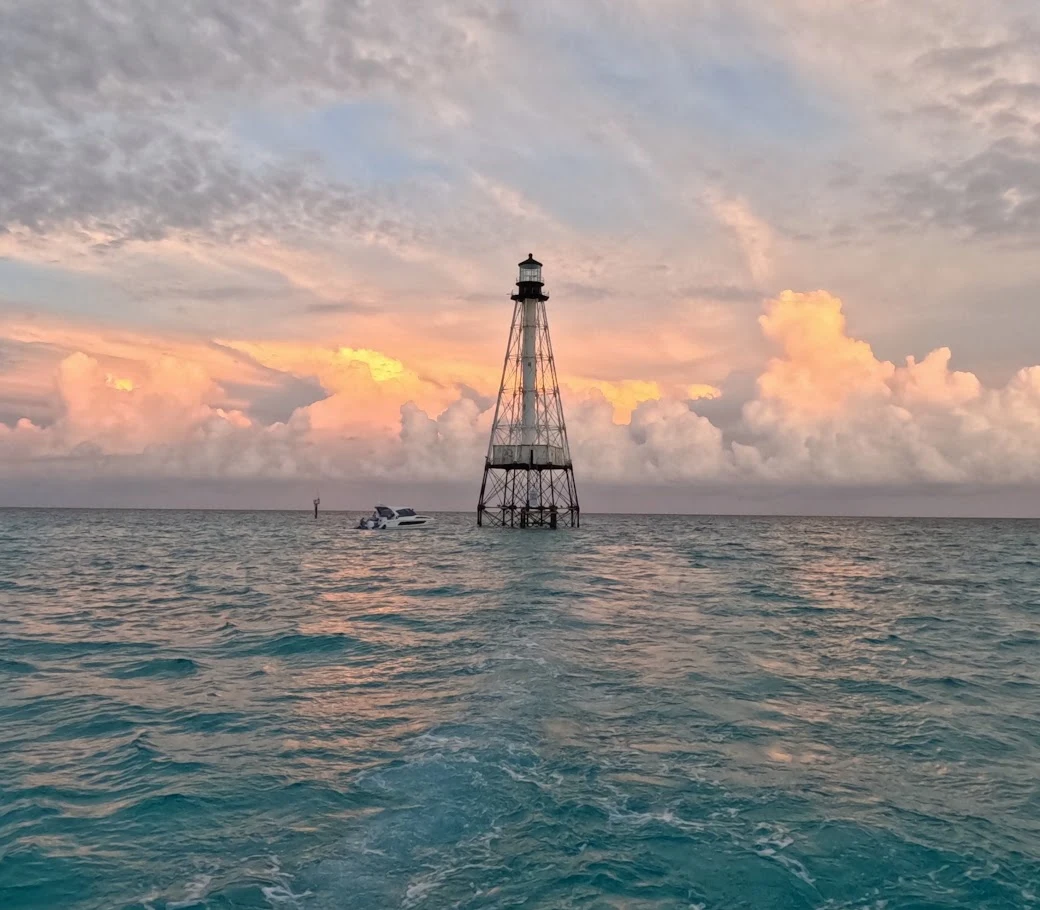
Islamorada’s standout attraction is Alligator Reef, marked by a 136-foot lighthouse built in 1873 to warn ships away from dangerous shoals. The lighthouse takes its name from the USS Alligator, a Navy schooner that hunted pirates before running aground here in 1822.
Today, over 500 marine species call these waters home. On clear days, visibility can reach up to 100 feet.
Cheeca Rocks
Cheeca Rocks sits just one mile offshore from Upper Matecumbe Key, making it accessible for beginners and ideal for families. The shallow depths of 8 to 20 feet mean more sunlight reaches the coral, creating vibrant colors and comfortable conditions.
You’ll find parrotfish, blue tang, angelfish, snapper, and frequently sea turtles grazing in the seagrass.
Hens and Chickens Reef
Named for the scattered coral heads that dot the sandy bottom like a mother hen with her chicks, this reef offers varied terrain. The mix creates habitat for everything from juvenile reef fish to spotted eagle rays.
Why Islamorada Stands Out
What sets Islamorada apart is access to remote locations. Operators with high-speed vessels can reach pristine reefs and sandbars that half-day tours from Key Largo simply can’t access.
Captain-led charters often limit group sizes, creating a personalized experience where you’re not fighting for space at the best coral formations. Captain Matt Hungerford has been guiding guests to these hidden spots since 2009, using nearly 30 years of experience to find the best conditions on any given day.
Comparing the Reef Experience
The reefs themselves are part of the same barrier reef system, so you’ll encounter similar coral species and marine life at both destinations. Brain coral, elkhorn coral, sea fans, and fire coral create the foundation. Yellowtail snapper, parrotfish, barracuda, sergeant majors, and angelfish provide the color.
For a complete breakdown of what you might encounter, check out our guide to wildlife seen on Islamorada tours.
Marine Life You’ll See
Sea turtle sightings happen regularly at both locations. Nurse sharks rest on sandy bottoms near reef structures. Spotted eagle rays glide through periodically, and lucky snorkelers might spot a lobster tucked into a crevice.
The Crowd Factor
Here’s the real difference. Key Largo’s reefs see more than 700,000 divers and snorkelers annually through the National Marine Sanctuary. Islamorada’s reefs host far fewer visitors, which means less stress on the coral and a quieter experience for you.
Water Conditions
Both areas offer year-round snorkeling with water temperatures ranging from the mid-70s in winter to the mid-80s in summer. Visibility depends on weather and tidal conditions rather than location—on good days, both offer 50-100 feet of clarity.
The Sandbar Advantage
Here’s where Islamorada pulls ahead for many visitors.
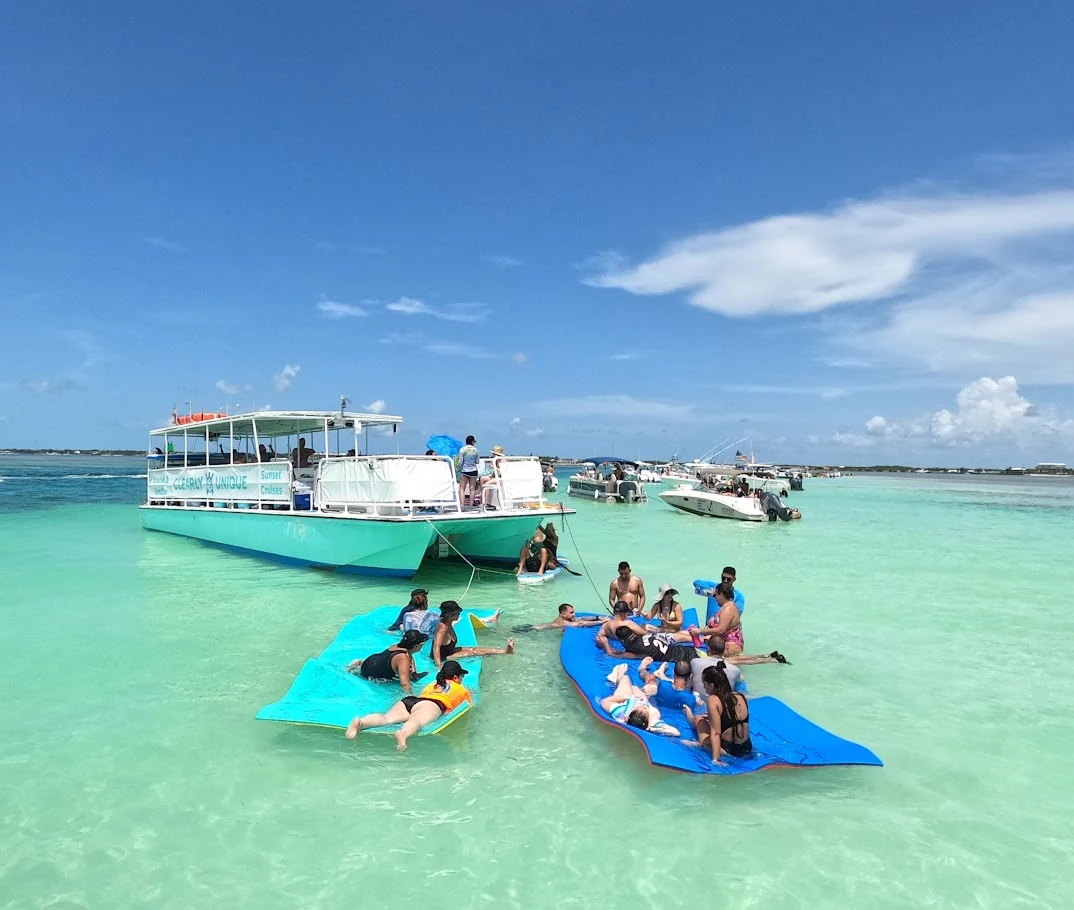
Islamorada is home to some of the most famous sandbars in the Florida Keys—shallow, crystal-clear patches of waist-deep water where you can relax between snorkeling sessions.
Many Islamorada operators offer combo tours that include both reef snorkeling and sandbar time. You get the underwater adventure plus time to float on paddleboards, lounge on floating mats, and enjoy complimentary drinks in water cleaner than most hotel pools.
It’s particularly appealing for families or groups where not everyone wants to spend the entire day snorkeling.
Key Largo has sandbar areas too, but the snorkeling operations there focus almost exclusively on reef sites. The sandbar culture is simply more developed in Islamorada.
Getting There and Logistics
Key Largo sits at Mile Marker 102.5, making it the first major stop after leaving the mainland. If you’re driving from Miami, you’ll reach Key Largo in about an hour and Islamorada in roughly 90 minutes.
Key Largo Logistics
John Pennekamp operates on a set schedule with tours departing at fixed times throughout the day. The park charges an entrance fee of $8 per vehicle, with additional fees for snorkeling tours, boat rentals, and other activities.
Islamorada Logistics
Islamorada offers more flexibility. Many charters operate as private or small-group experiences, departing at times that work for your schedule. Several operators pick up guests directly from partner resorts like Cheeca Lodge and Islander Resort, eliminating logistics entirely.
If you’re new to snorkeling, our beginner’s guide covers everything you need to know before your first trip.
Which Destination Fits Your Trip?
Choose Key Largo if you want to see iconic landmarks like the Christ of the Abyss statue, if you’re comfortable with group tours, or if Key Largo is already on your itinerary and you’d rather not drive further.
Choose Islamorada if you prefer smaller groups, want to combine snorkeling with a sandbar experience, are traveling with family, or value personalized attention from experienced captains who know the hidden gems.
Many visitors snorkel both during their Florida Keys trip. A common approach: hit Pennekamp early in your visit for the famous sites, then head to Islamorada later for a more relaxed experience.
Tips for Either Destination
Regardless of which you choose, a few tips will improve your experience.
Arrive early to beat the afternoon crowds and the choppier conditions that sometimes develop later in the day. Use reef-safe sunscreen—the coral you’re visiting is alive and sensitive to chemicals in conventional sunblock.
If you’re prone to motion sickness, consider taking preventative measures. While most Florida Keys snorkeling sites feature calm, shallow water, the boat ride out can be bumpy on windy days.
Listen to your captain. Conditions change daily, and experienced captains know which reefs will offer the best visibility based on wind direction, tides, and recent weather. A good captain who moves you to an alternate site is giving you a better experience, not cutting corners.
Have more questions? Our FAQ page covers the most common concerns.
Frequently Asked Questions
Is snorkeling better in Key Largo or Islamorada? Both offer excellent snorkeling within the same reef system. Key Largo is known for famous sites like Christ of the Abyss, while Islamorada typically offers smaller crowds and more personalized experiences.
Can beginners snorkel in Islamorada? Absolutely. Reefs like Cheeca Rocks feature shallow depths of 8-20 feet and calm conditions, making them ideal for first-time snorkelers. Most tour operators provide instruction and all necessary equipment.
How far apart are Key Largo and Islamorada? About 20 miles, or roughly 30 minutes by car. Many visitors explore both during a Florida Keys vacation.
Ready to experience the best snorkeling in Islamorada? Book your adventure with Clearly Unique Charters—our trips fill up fast, especially during peak season.