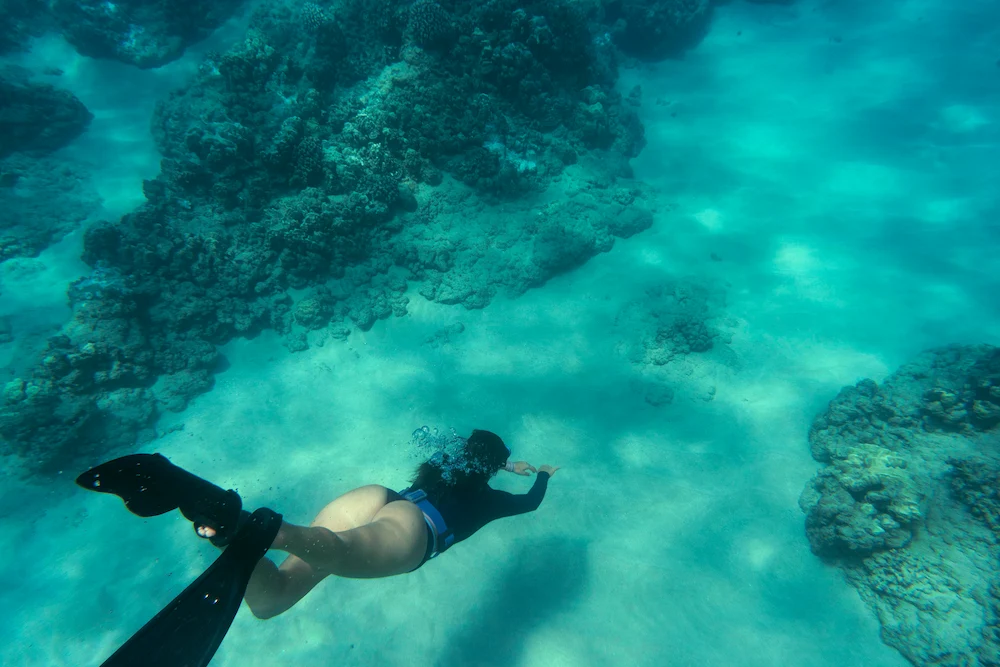
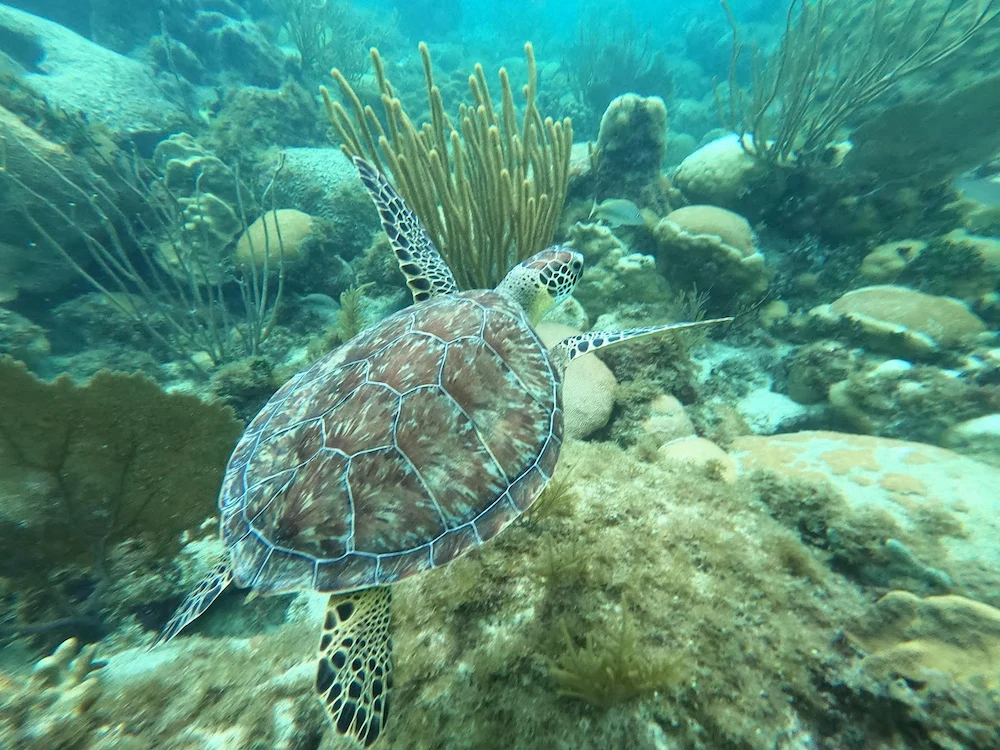
Islamorada’s coral reefs are home to several sea turtle species, and spotting one gliding through crystal-clear water ranks among the most memorable moments of any Florida Keys snorkeling trip. On our tours, guests see sea turtles on roughly 60-70% of trips during spring and summer months, and about 40-50% during fall and winter. These ancient mariners patrol the reefs year-round, and knowing where to look and what to expect dramatically increases your chances of an encounter.
Sea Turtle Species in Islamorada Waters
The Florida Keys host five sea turtle species, but you’ll primarily encounter three while snorkeling Islamorada’s reefs.
Green Sea Turtles
Green turtles are the species you’ll most likely see on our snorkeling tours. They’re named for the greenish color of their body fat, not their shells, which actually range from brown to olive with darker markings.
Adults can reach 300-400 pounds, though the ones cruising Islamorada’s reefs typically fall in the 150-250 pound range. They’re herbivores as adults, grazing on seagrass beds and algae-covered rocks. You’ll often spot them in relatively shallow water—7 to 15 feet—which perfectly matches the depth of our regular snorkeling locations.
Green turtles are curious but cautious. They’ll let you observe from a respectful distance, occasionally lifting their heads to breathe before diving back to continue foraging. Their swimming style is elegant and unhurried, those front flippers rowing through the water like slow-motion wings.
Loggerhead Sea Turtles
Loggerheads are the second-most-common species in our waters. They have massive heads (hence the name) and powerful jaws designed to crush hard-shelled prey like conchs and crabs.
These turtles grow even larger than greens—up to 400 pounds or more. They prefer slightly deeper water than greens but still patrol the reef systems we visit regularly. Loggerheads tend to be more solitary, so you’re more likely to encounter a single turtle than a pair.
Color-wise, they’re reddish-brown on top with yellowish undersides. Their shells often host barnacles and algae, giving them a weathered, ancient appearance that adds to their mystique.
Hawksbill Sea Turtles
Hawksbills are less common but absolutely stunning when you do spot one. They have distinctive pointed beaks that resemble a bird of prey, and their shells display beautiful overlapping scales in amber and brown patterns.
These are smaller turtles, typically 100-150 pounds, and they’re specialists at navigating tight spaces in coral formations. Hawksbills eat sponges primarily, which makes them crucial to reef health—without them, certain sponge species would overgrow and smother coral.
You might see a hawksbill tucked into a reef crevice or working its way through complex coral structures where larger turtles can’t easily maneuver.
Where We See Sea Turtles Most Often
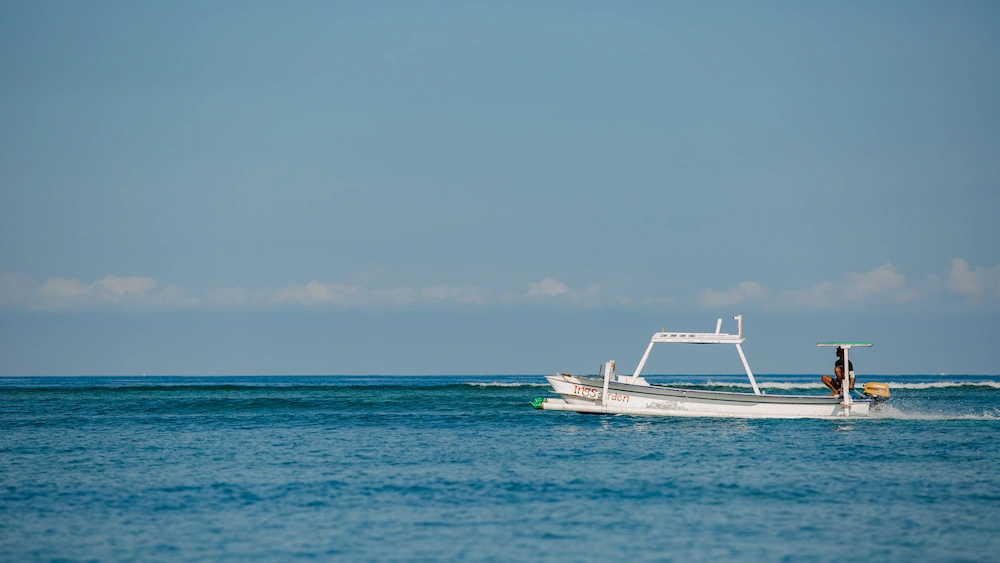
Captain Matt selects snorkeling locations based on daily conditions—wind direction, tidal patterns, water clarity—but certain spots consistently produce turtle sightings.
Cheeca Rocks ranks at the top. This reef system features the healthy coral formations and seagrass patches that attract feeding turtles. The depth ranges from 8 to 15 feet, perfect for snorkelers and ideal for turtles that need to surface regularly for air.
During our trips, guests snorkel for a guaranteed hour or longer. That extended time in the water matters for turtle sightings. They surface every 5 to 10 minutes when actively swimming, so patience pays off. Many guests miss turtles by cutting their snorkel time short.
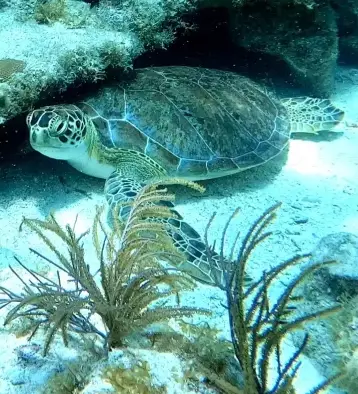
The captain also knows alternate locations for days when wind shifts make primary reefs choppy. These backup spots often surprise us with exceptional turtle activity—there’s no single “best” location, and local knowledge about where to go on any given day matters more than sticking to one famous reef.
When You’re Most Likely to See Turtles
Spring and summer deliver the highest encounter rates. Water temperatures in the upper 70s°F and low 80s°F increase turtle activity. They feed more actively, move between reef areas more frequently, and spend more time in the shallower depths where snorkelers explore.
We see them year-round though. Even in winter, when water cools to the mid-70s°F, turtles remain active. They don’t migrate away from Islamorada—this is home for resident populations. What changes is behavior. Winter turtles tend to be more lethargic, resting more and moving less.
Time of day plays a role too. Morning trips, especially early morning, often produce more sightings. Turtles feed actively in morning hours, and water clarity tends to be best before afternoon winds pick up.
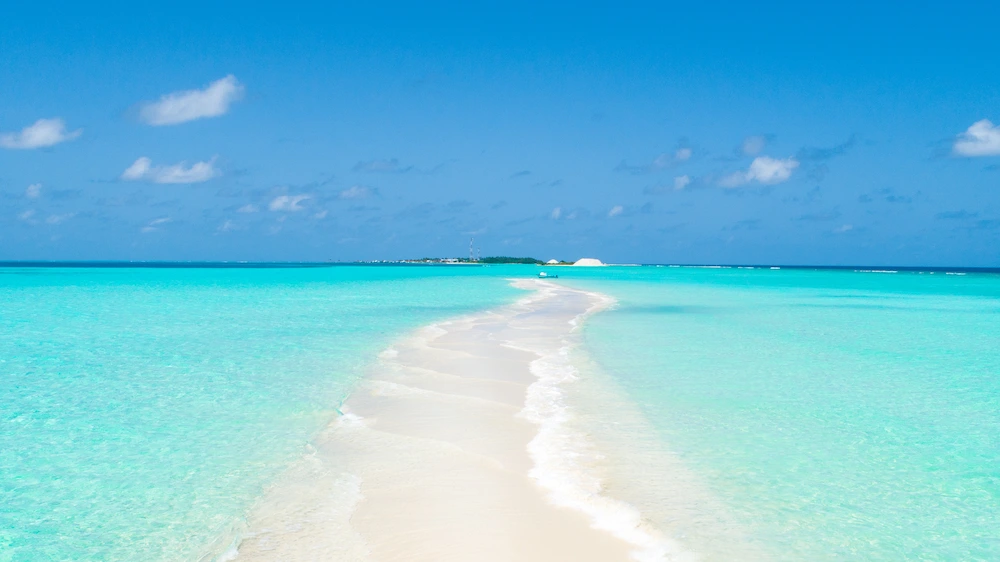
Our combination snorkeling and sandbar tours schedule snorkel time first, typically mid-morning. That timing isn’t accidental—it’s when conditions and turtle activity both favor great encounters.
How to Snorkel Responsibly Around Sea Turtles
Sea turtles are protected under the Endangered Species Act. That protection exists for good reason—all species we see in Islamorada face population pressures from habitat loss, fishing gear entanglement, and climate change impacts.
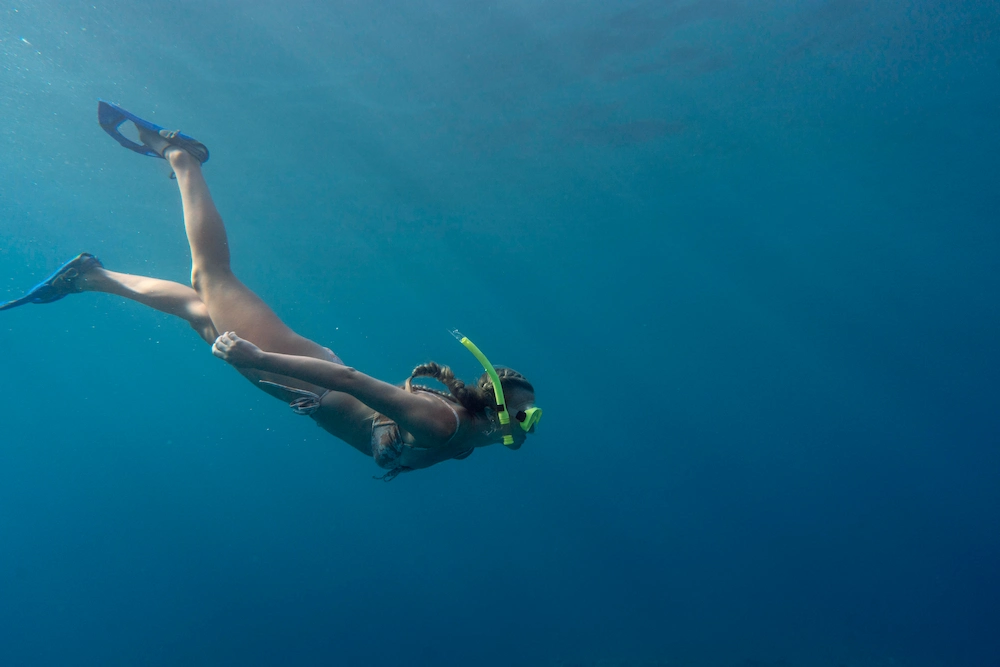
When you spot a turtle, resist the urge to dive down for a closer look. Observe from the surface, staying at least 10 feet away. Turtles that feel crowded will flee, and that flight response burns energy they need for feeding and survival.
Never touch a turtle. Ever. Not their shells, not their flippers, nothing. Florida law prohibits it, but beyond legality, touching stresses these animals. Your hands can also damage the algae and barnacles that live on their shells—yes, even those “hitchhikers” serve ecological purposes.
Don’t chase turtles. If one swims away from you, let it go. The best encounters happen when turtles feel safe enough to continue their natural behavior—feeding, resting, or simply swimming past. Those moments, when a turtle glides within 15 feet of you while completely unbothered by your presence, create the memories people treasure.
Block their path to the surface and you’ve created a genuine problem. Turtles are air-breathers. They’ll surface when they need to, often every 5-10 minutes during active swimming. If you’re between a turtle and open air, move aside immediately.
Our crew covers these guidelines before every snorkeling trip, and they watch for interactions that need correction. We want every guest to see turtles, but we want those encounters to be respectful and sustainable.
What You’ll Observe When You Do See One
Sea turtles move differently than you expect. Their front flippers row through water with this slow, powerful stroke that looks effortless. Rear flippers work as rudders, making tiny adjustments to direction.
When they surface to breathe, you’ll often hear an audible exhale—sometimes explosive, sometimes just a quick release of air. Then they take a quick breath and descend back down. The whole surface interval lasts just a few seconds.
Feeding behavior varies by species. Green turtles graze like underwater lawn mowers, moving slowly across seagrass or algae-covered surfaces. Loggerheads hunt more actively, using that powerful beak to crush prey. Hawksbills work their way into tight coral spaces, probing for sponges.
You might see cleaning stations where small fish pick parasites and dead skin off turtle shells. These symbiotic relationships fascinate guests—the turtle stays still, almost floating, while cleaner fish swarm over it. It looks like a full-service spa, and in a way, that’s exactly what it is.
Photography and Videography Tips
Go-Pros and underwater cameras are welcome on our boats. When photographing turtles, shoot from your position at the surface rather than diving down. You can get remarkable footage from 10-15 feet away with modern camera zoom capabilities.
Let the turtle move through your frame rather than moving your camera to follow it. Sudden movements or swimming toward the turtle typically causes it to alter course or flee.
The best photos happen when you’re patient. Position yourself near healthy reef structures, stay relatively still, and let turtles come into range naturally. Captain Matt knows where turtles commonly patrol, and he positions the boat accordingly.
Water clarity affects photo quality more than camera quality. That’s another reason our morning snorkel schedule works well—visibility is typically excellent.
Why Turtle Encounters Matter
These interactions change how people view ocean conservation. You can read about endangered species, but watching a 200-pound green turtle glide past you, so close you can see individual scales on its flippers, creates a connection that reading can’t replicate.
Guests who see turtles on our trips often ask about conservation efforts. They want to know what threatens these animals and how they can help. That awareness spreads beyond the boat—people go home and make different choices about plastic use, seafood consumption, and coastal development.
We’ve been sharing these waters with turtles for nearly 15 years now, operating over 500 trips per year, and the privilege of introducing guests to these ancient mariners never gets old. Captain Matt has logged countless hours observing turtle behavior in these specific reefs, and that expertise helps our guests experience something genuinely special.
Common Questions About Islamorada Sea Turtles
Are sea turtles dangerous? Not at all. They’re herbivores or eat slow-moving invertebrates. They have no interest in humans and no capacity to harm you. Respect their space and they’ll ignore you completely.
What if I see a turtle that looks injured or sick? Alert our crew immediately. We maintain contact with marine rescue organizations and know proper protocols for reporting distressed animals.
Can I see baby sea turtles in Islamorada? Turtle nesting happens on beaches, and hatchlings head directly to open ocean. You won’t encounter them on reef snorkeling trips. Adult and juvenile turtles are what patrol these waters.
How long do sea turtles live? Green sea turtles can live 80+ years, potentially longer. The turtles you see on our reefs might have been swimming these same waters since the 1950s or 60s.
Planning Your Turtle-Focused Trip
If seeing sea turtles ranks high on your Islamorada bucket list, a few strategies increase your odds.
Book during spring or summer when encounter rates peak. April through September delivers the most consistent sightings.
Choose our longer snorkeling and sandbar combination tours rather than shorter options. More water time equals more chances.
Ask about conditions when you book. Our team can tell you whether recent trips have been seeing particularly active turtle populations.
Bring an underwater camera or GoPro. Even if you don’t get the perfect shot, having it ready means you won’t miss the opportunity.
Most importantly, adjust your expectations. We can’t guarantee wildlife sightings—nature doesn’t work on guarantees. But we’ve been doing this since 2010, and our snorkeling tours visit the healthiest reefs where turtles naturally congregate. Your chances are about as good as anywhere in the Florida Keys.
Ready to snorkel with sea turtles in crystal-clear Islamorada waters? Book your adventure today—these trips fill up fast, especially during peak turtle season.