The main difference is in the hull. A catamaran has two parallel hulls connected by a deck, while a regular boat, called a monohull, has a single hull. That structural difference gives catamarans more stability, more deck space, and a smoother ride, which is exactly why they make such good tour boats in the Florida Keys. Here’s a closer look at how the two compare.
The Core Difference: One Hull vs. Two
A monohull is what most people picture when they think of a boat, a single hull that sits in the water and cuts through it. It’s the traditional design, used for everything from sailboats to fishing boats to speedboats.
A catamaran uses two hulls set apart from each other, joined by a deck or platform that spans the gap. This wider stance fundamentally changes how the boat interacts with the water. The two points of contact, spread across a broader base, create stability that a single hull simply can’t match. It’s the same reason a four-legged table is steadier than a pedestal one.
Stability: The Biggest Advantage
Stability is where catamarans really shine, and it’s the difference most passengers feel immediately. A monohull rocks side to side as waves hit it, rolling with the motion of the water. A catamaran resists that rolling because its two widely spaced hulls have to lift independently for the boat to tip, which takes far more force.
For passengers, this means a noticeably calmer, more level ride. Drinks stay on tables, walking around the deck feels secure, and the general sense of being tossed around is greatly reduced. For anyone prone to seasickness, this stability is a genuine benefit, the reduced rocking means far less of the motion that triggers nausea. Our guide to avoiding seasickness goes deeper into why this matters.
Deck Space and Comfort
Because the deck spans the gap between two hulls, catamarans offer significantly more usable space than a monohull of the same length. That translates to more room to move around, more comfortable seating, better shade options, and space for amenities like an onboard bathroom.
On a tour boat, this space matters. It means guests aren’t crammed together, there’s room to spread out at the sandbar stop, and boarding and moving around feels relaxed rather than cramped. The wide, flat deck also makes it much easier to get in and out of the water for snorkeling, which is a real advantage for kids, older guests, and anyone who isn’t an agile swimmer.
The Ride: Smoother and Drier
Catamarans generally provide a smoother ride in choppy conditions because the twin hulls slice through waves more evenly and create less of the pounding, slamming sensation that monohulls can produce when conditions pick up. They also tend to stay drier, throwing less spray over the deck.
For a leisurely tour where comfort is the priority, that smoother ride makes a tangible difference to the experience, especially on the trip out to the reef and back.
Shallow Water Access
Catamarans typically have a shallower draft, meaning they sit higher in the water and don’t need as much depth to operate safely. This is a meaningful advantage in the Florida Keys, where shallow flats, sandbars, and reef areas are exactly where you want to go. A shallower draft lets the boat approach sandbars and reef sites that deeper-drafting monohulls would have to keep their distance from.
It’s part of how our vessels reach the exclusive sandbar locations and shallow reef sites that make an Islamorada tour special.
Where Monohulls Have Advantages
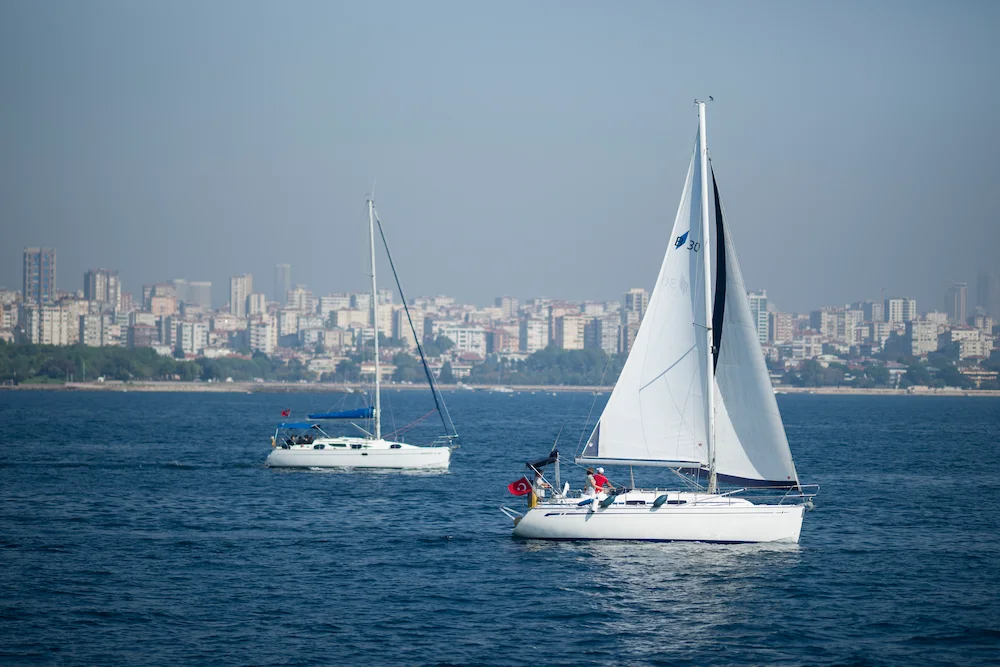
To be fair, monohulls aren’t worse, they’re just different, and they have their own strengths. Monohulls often handle better in very rough offshore seas, where a deep single hull cuts through large swells effectively. They’re typically less expensive to build and dock, and they have a more traditional feel under sail for sailboat enthusiasts. For high-speed sport fishing in open ocean or for certain types of sailing, a monohull may be the better tool.
The point isn’t that one is universally superior. It’s that for stable, comfortable, shallow-water tour experiences carrying groups of passengers, the catamaran design is hard to beat.

Why It Matters for Your Islamorada Tour
When you book a tour with Clearly Unique Charters, the catamaran design directly shapes your experience. The 45ft Corinthian “Sea Sea Rider” and 38ft Beachcat “Tiki Boat” are both power catamarans, chosen specifically for the stability, deck space, easy water access, and shallow-draft capability that make for a comfortable, family-friendly day on the water.
That stability means seasickness is rare, the easy boarding means guests of all ages and abilities can get in and out of the water comfortably, and the shallow draft means access to the best reef and sandbar locations. It’s not an accident, it’s a deliberate choice about what makes the best tour boat.
You can experience it on our snorkeling tour, snorkeling and sandbar combo, or sunset cruise.
Frequently Asked Questions
Are catamarans more stable than regular boats?
Yes, considerably. The two widely spaced hulls resist rolling far more than a single hull, producing a calmer, more level ride. This is why catamarans are popular for tours and why seasickness is less common aboard them.
Is a catamaran better for seasickness?
Generally, yes. The increased stability reduces the rocking motion that triggers seasickness. Combined with calm-water routes, catamarans make motion sickness uncommon for most passengers.
Why do tour companies use catamarans?
Catamarans offer more deck space, better stability, easier water access, and shallower draft, all of which make them ideal for carrying groups comfortably and reaching shallow reef and sandbar locations.
Ready to feel the difference a catamaran makes? Book your tour online or call us at (305) 413-8307. Stable, spacious, and built for a great day on the water.