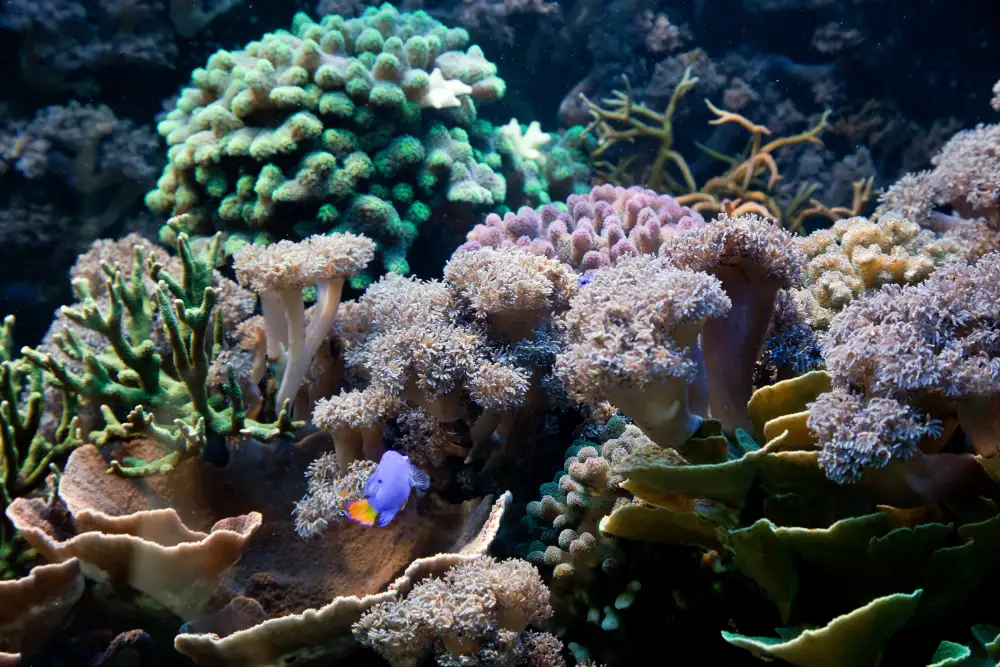
Islamorada’s coral reefs represent some of the healthiest and most diverse reef ecosystems in the Florida Keys, featuring massive brain corals, delicate sea fans, and vibrant soft corals that support hundreds of marine species. These living structures sit within the Florida Keys National Marine Sanctuary, where protection efforts have helped maintain reef health even as Caribbean reefs elsewhere face significant decline.
Why Islamorada’s Reefs Stand Out
The Florida Keys contain the only living coral barrier reef in the continental United States, and Islamorada sits in a particularly favorable section of this system. Our reefs benefit from consistent ocean currents that bring nutrient-rich water while flushing away pollutants, relatively shallow depths that allow sunlight to penetrate, and protective sanctuary status that limits damaging activities.
When you snorkel with us at locations like Alligator Reef and Cheeca Rocks, you’re seeing coral formations that have grown for decades or even centuries. Some of the large brain corals you’ll encounter are older than the United States itself.
Types of Coral You’ll See
Islamorada’s reefs host dozens of coral species, each playing specific roles in the ecosystem. Understanding what you’re looking at enhances your snorkeling experience and helps you appreciate the complexity beneath the surface.
Brain Coral
These massive, dome-shaped corals get their name from surface patterns that resemble human brain tissue. Brain corals grow extremely slowly, sometimes less than an inch per year, making the large formations you see at our reef sites potentially hundreds of years old. They provide crucial structure that smaller organisms use for shelter.
Brain coral feels hard and solid because the living tissue grows over a calcium carbonate skeleton that the coral polyps secrete. The grooves and ridges you see are actually rows of coral polyps working together as a single organism.
Elkhorn and Staghorn Coral
These branching corals once dominated shallow Caribbean reefs but have declined dramatically due to disease and climate stress. Islamorada still maintains some healthy elkhorn and staghorn populations, particularly in protected areas. Their branching structure creates essential habitat for juvenile fish that need complex environments to hide from predators.
When you spot these corals during your snorkeling trip, you’re seeing relatively rare formations. Their presence indicates healthy reef conditions and active conservation success.
Sea Fans and Soft Corals
These flexible corals sway gently in the current, creating the graceful movement that makes reef environments so mesmerizing to watch. Sea fans can grow several feet tall and come in purple, yellow, and brown varieties. Unlike hard corals, soft corals have flexible skeletons that bend with wave action.
The gentle swaying motion helps these corals filter feed, capturing microscopic organisms from the water column. Their flexibility also helps them survive storms that would break rigid coral formations.
Fire Coral
Despite the name, fire coral is actually more closely related to jellyfish than true coral. Its distinctive yellowish-brown color and smooth surface make it easy to identify. Fire coral can cause painful stings if touched, which is why we emphasize the “look but don’t touch” rule during our snorkeling instruction.
Fire coral grows in various forms including branching, plate, and encrusting patterns. Its stinging cells help it compete for space on crowded reefs by deterring organisms that might try to overgrow it.
How Coral Reefs Work
Understanding coral biology helps you appreciate what you’re seeing underwater. Corals are actually colonies of tiny animals called polyps, each about the size of a pinhead. These polyps have a symbiotic relationship with microscopic algae called zooxanthellae that live inside their tissues.
The algae photosynthesize using sunlight, producing nutrients that feed the coral polyps. In return, the coral provides the algae with a protected environment and access to sunlight. This partnership is why coral reefs only thrive in clear, shallow water where light penetrates.
Coral Feeding and Growth
While corals get most nutrients from their algae partners, the polyps also extend tentacles at night to capture plankton from the water. You won’t see this during daytime snorkeling trips, but if you could return at night, the reef would look completely different with all the polyps extended and feeding.
Coral growth happens slowly but steadily. The polyps secrete calcium carbonate to build their skeleton, gradually expanding the reef structure. This process has created the extensive reef systems you explore during our tours.
Reef Health in Islamorada
Islamorada’s reefs are generally healthier than many Caribbean locations, but they still face challenges. Climate change, ocean acidification, disease, and human impacts all threaten reef ecosystems worldwide. The reefs you snorkel today require active protection to remain vibrant for future generations.
Signs of Healthy Reefs
When you snorkel with us, you’ll see indicators of reef health: diverse coral species growing actively, abundant fish populations, clear water with good visibility, and colorful, vibrant coral tissue. The presence of sea turtles, rays, and other larger species also indicates a functioning ecosystem.
Captain Matt’s nearly 30 years on these reefs means he’s witnessed changes over time and can point out areas showing particular resilience or recovery. His knowledge helps guests understand not just what they’re seeing but why these reefs matter.
Threats Facing Coral Reefs
Coral bleaching occurs when water temperatures rise too high, causing corals to expel their algae partners and turn white. While bleached coral isn’t dead, it’s stressed and vulnerable. Islamorada reefs have experienced bleaching events but have shown good recovery in many areas.
Disease has devastated some Caribbean reefs, particularly affecting elkhorn and staghorn species. Water quality issues from nutrient pollution can also stress corals. The Florida Keys National Marine Sanctuary works to address these challenges through research, monitoring, and protective regulations.
Conservation and Protection Efforts
The reefs you explore during our snorkeling tours benefit from several layers of protection. Understanding these efforts helps you appreciate your role in reef conservation.
Florida Keys National Marine Sanctuary
Established in 1990, the sanctuary protects 2,900 square nautical miles of marine environment including all of Islamorada’s reefs. Regulations prohibit anchoring on coral, limit fishing in certain areas, and establish zones where different activities are appropriate.
The sanctuary mooring buoy system is particularly important. Instead of dropping anchors that damage coral, boats tie to mooring buoys that are permanently installed in sandy areas. We use these moorings on all our trips, ensuring we never impact the reef structure.
Coral Restoration Projects
Several organizations work actively to restore damaged reefs and propagate corals for outplanting. Coral nurseries grow fragments that are later transplanted to reef sites, helping speed recovery from damage or disease. Some of the healthy coral you see during snorkeling may have been restored through these programs.
Responsible Snorkeling Practices
Every snorkeler plays a role in protecting these fragile ecosystems. The practices we follow on Clearly Unique Charters ensure that your underwater experience doesn’t harm the reefs you’re enjoying.
The “Look But Don’t Touch” Rule
Coral tissue is delicate and can be damaged by contact. Even gentle touching can harm or kill coral polyps. Fins, hands, and knees can all accidentally impact coral if you’re not careful about your body position in the water.
This is why we emphasize proper buoyancy control and awareness during our pre-snorkel instruction. Staying horizontal at the surface and controlling your fins keeps you safely above the reef while giving you perfect viewing position.
Reef-Safe Sunscreen
Traditional sunscreens contain chemicals that damage coral tissue and contribute to bleaching. We require guests to use reef-safe sunscreen that doesn’t contain oxybenzone or octinoxate. Our packing guide covers this in detail, but it’s worth repeating because it’s that important.
Respecting Marine Life
Fish, turtles, rays, and other creatures you encounter during snorkeling deserve space and respect. Chasing animals, attempting to touch them, or feeding them disrupts natural behaviors and can stress marine life. We maintain appropriate distances and let animals approach on their own terms if they choose.
What Makes Each Reef Location Unique
The different sites we visit offer distinct reef experiences, each with characteristic coral formations and marine life communities.
Alligator Reef Characteristics
Alligator Reef features dramatic vertical structure with coral formations rising from deeper water. The reef’s exposed location means it experiences more current, which brings nutrients and creates habitat for species that prefer moving water. Large brain corals, extensive sea fan gardens, and healthy hard coral coverage characterize this site.
Cheeca Rocks Characteristics
Cheeca Rocks offers shallower, calmer conditions with excellent visibility. The reef structure here includes patch reefs scattered across sandy bottom, creating diverse microhabitats. This site often shows particularly vibrant soft coral growth and hosts abundant juvenile fish populations.
Seasonal Changes on the Reef
Coral reefs aren’t static environments. They change throughout the year in response to temperature shifts, spawning cycles, and seasonal weather patterns.
Summer Reef Activity
Warm summer water temperatures increase coral growth rates and trigger spawning events for many species. Fish populations peak, and you’re likely to see the most vibrant colors and highest activity levels. This is also when sea turtle presence increases significantly.
Winter Reef Conditions
Cooler winter water slows coral growth but often produces the clearest visibility of the year. Calmer seas make for comfortable snorkeling conditions. Some tropical fish species move to deeper water, but winter residents like rays become more common in shallower areas.
The Broader Reef Ecosystem
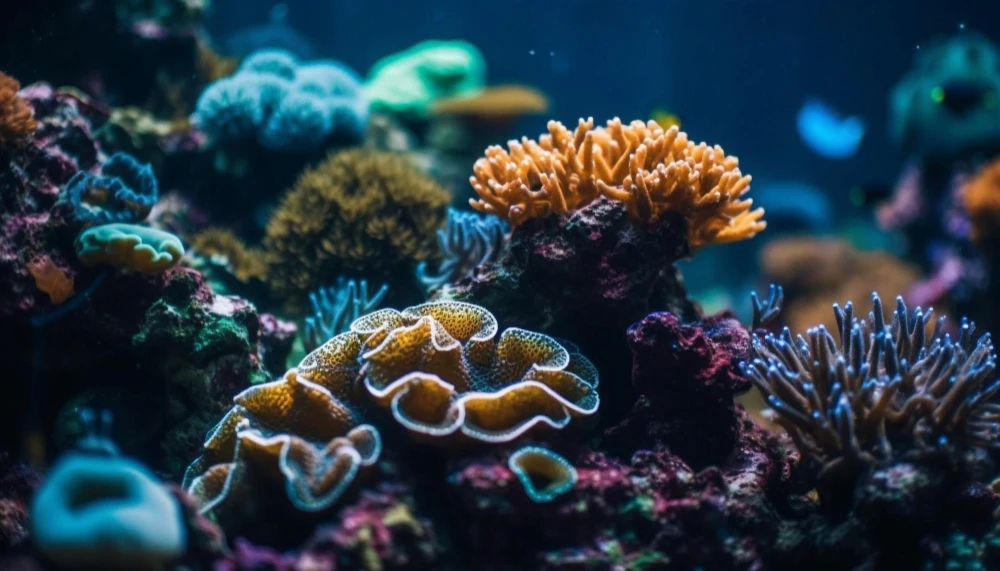
Coral reefs support far more than just coral. The three-dimensional structure creates habitat for countless species, from microscopic organisms to large predators. The reef ecosystem includes fish, invertebrates, algae, sponges, and countless other organisms all interconnected in complex relationships.
When you snorkel Islamorada’s reefs, you’re not just looking at pretty coral and fish. You’re witnessing one of Earth’s most complex and productive ecosystems, second only to rainforests in biodiversity per square meter.
Experience Islamorada’s Coral Reefs
Ready to explore these remarkable ecosystems yourself? Our snorkeling tours and combo packages provide expert-guided access to Islamorada’s healthiest reef sites. Captain Matt’s knowledge enhances your experience, helping you understand what you’re seeing and why these reefs matter.
We practice responsible reef tourism, using mooring buoys, maintaining appropriate distances, and educating guests about conservation. Your snorkeling experience supports the local economy that values reef protection, creating incentives for continued conservation.
Questions about our reef trips? Call us at (305) 413-8307 or check our FAQ page. Book your reef adventure today and discover why Islamorada’s coral reefs are worth protecting.