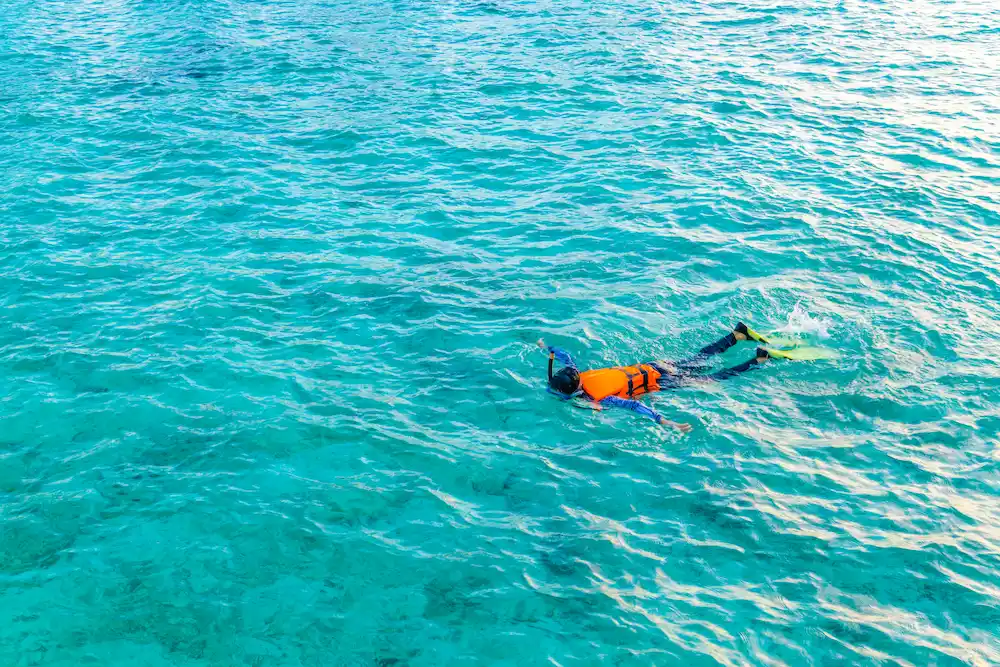
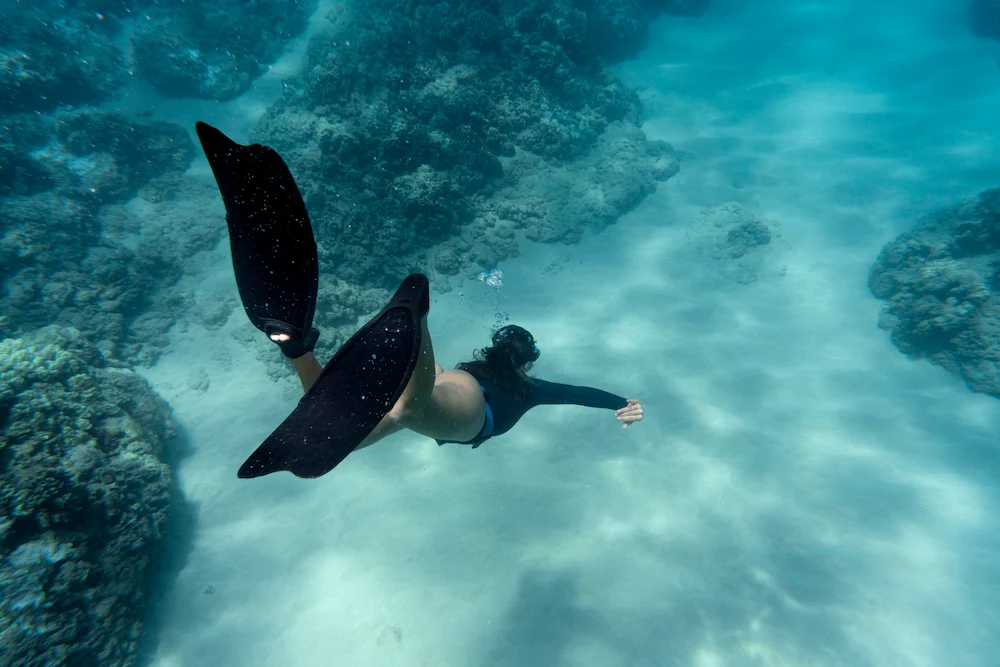
Manatees do live in the Florida Keys, but they’re rarely seen out on the reef and sandbar where snorkeling tours go. They favor warm, shallow, inshore waters like canals, marinas, and springs. So while a manatee sighting on a snorkeling trip is a lucky surprise rather than an expectation, there are places nearby where your chances are much better. Here’s the honest picture.
Do Manatees Live in the Florida Keys?
Yes. The Florida manatee, a subspecies of the West Indian manatee, is found throughout Florida’s coastal and inland waters, including the Keys. These gentle, slow-moving marine mammals, sometimes called sea cows, can grow up to 10 feet long and weigh over 1,000 pounds. They’re herbivores, grazing on seagrass and aquatic vegetation, and they’re beloved for their docile, curious nature.
That said, manatees aren’t evenly distributed everywhere in the Keys. They concentrate in specific types of habitat, and understanding that is the key to setting realistic expectations about seeing one.
Where Manatees Actually Hang Out
Manatees prefer warm, calm, shallow water with plenty of seagrass to eat and access to freshwater. In the Keys, that means they’re most often found in sheltered inshore areas, canals, marinas, boat basins, and near freshwater sources, rather than out on the offshore coral reefs.
This is the crucial point for snorkelers: the famous Islamorada snorkeling sites like Alligator Reef and Cheeca Rocks are offshore reef environments, which isn’t prime manatee habitat. Manatees can pass through almost anywhere, but the reef isn’t where they typically spend their time.
So Can You See Them While Snorkeling?
Honestly, it’s uncommon on a typical reef or sandbar snorkeling trip. Manatees are always possible, they’re mobile animals and do move through various areas, but they’re not a reliable sighting at the offshore sites where snorkeling tours operate. We’d rather set that expectation clearly than promise something the reef doesn’t usually deliver.
When manatees are encountered, it’s more often in the shallow, protected bayside waters, near marinas, or in canal systems, not out at the coral reef. If a manatee does happen to appear during a trip, it’s a genuine bonus and a special moment, but it’s the exception, not the rule.
This is similar to how we approach other wildlife honestly. As with our guides on sea turtles and dolphins, we tell you what’s realistic rather than overpromising. Sea turtles, for the record, are a far more common sighting at the reef than manatees.
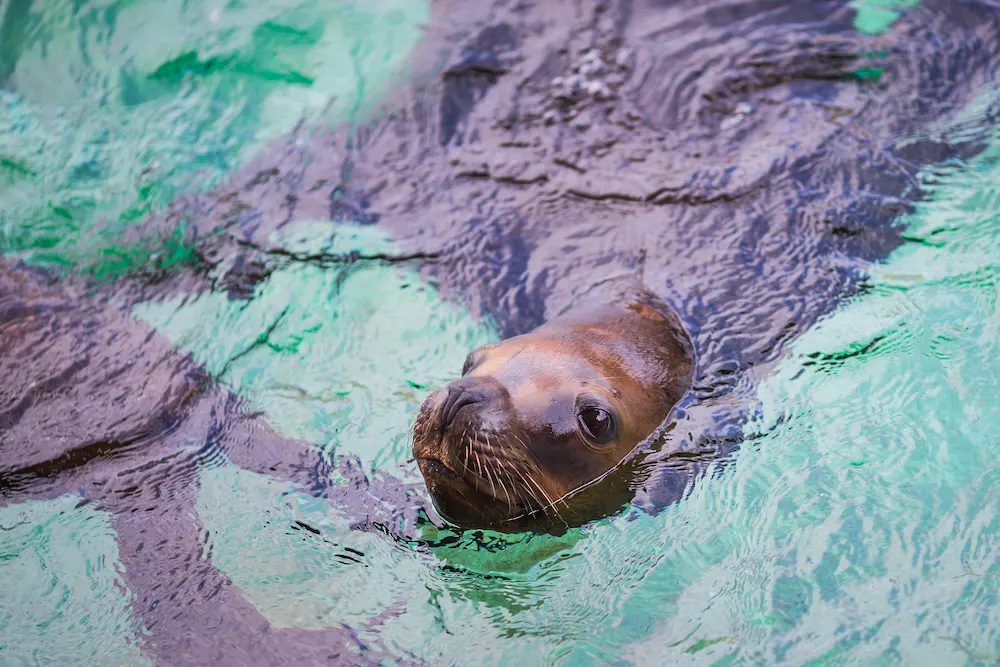
Where to Improve Your Chances of Seeing a Manatee
If seeing a manatee is high on your list, a few approaches improve your odds during a Keys visit. Marinas and boat basins are among the most reliable spots, manatees often congregate around them, particularly where there’s freshwater runoff. Keep an eye on the water around docks and marina edges; you may spot the telltale swirl or a nose surfacing for air.
Cooler months can concentrate manatees near warm-water sources, since they’re sensitive to cold and seek out warmer water when temperatures drop. Calm, shallow inshore waters and canals are generally better bets than open reef. And on the Florida mainland, there are famous manatee-viewing areas with natural springs, though those are a drive from the Keys.
Watching Manatees Responsibly
Manatees are a protected species under federal law, and there are important rules for interacting with them. Never chase, touch, feed, or harass a manatee. Give them space and let them approach on their own terms if they choose to. Boaters must observe posted slow-speed and manatee zones, since boat strikes are a serious threat to the species.
If you’re lucky enough to see one, the right response is to stay calm, keep your distance, and simply enjoy the moment. Protecting these gentle animals means observing without interfering.
The Honest Bottom Line
Manatees are wonderful, and they do live in the Florida Keys, but they’re not a typical sighting on an offshore snorkeling trip. If you spot one, treasure it as a rare bonus. If seeing a manatee is a must-do, plan to look in the marinas, canals, and shallow inshore areas where they actually spend their time, and consider the mainland springs for the most reliable encounters. For the reef itself, come for the coral, the tropical fish, and the excellent chance of sea turtles, and treat any manatee as a happy surprise.
Frequently Asked Questions
Are there manatees in Islamorada?
Yes, manatees live throughout the Florida Keys, including around Islamorada. However, they favor sheltered inshore waters like canals and marinas rather than the offshore coral reefs where snorkeling tours go, so sightings on a reef trip are uncommon.
Can you snorkel with manatees in the Florida Keys?
It’s not a typical part of a reef snorkeling trip, since manatees aren’t usually found at the offshore reef sites. They’re more often seen in marinas and shallow inshore areas. Any encounter should follow responsible viewing rules, no touching, chasing, or feeding.
What’s the best time to see manatees in the Keys?
Cooler months can concentrate manatees near warm-water sources, as they seek out warmth when temperatures drop. Marinas, boat basins, and calm inshore waters are generally the better places to look year-round.
Come for the reef and enjoy whatever the water brings. Book your snorkeling tour online or call us at (305) 413-8307. Sea turtles are practically waiting, and you never know what else might swim by.