
Islamorada offers incredible snorkeling year-round, but each season brings unique advantages. The best time depends on what matters most to you: warmest water (summer), fewer crowds (fall/spring), or peak marine life activity (varies by species). The truth is, you can’t pick a bad time to explore Islamorada’s reefs—the water stays comfortable and visibility remains excellent throughout the year.
Why Islamorada Works Year-Round
Most tropical snorkeling destinations have distinct “on” and “off” seasons. Islamorada doesn’t work that way. We’re blessed with the third largest coral barrier reef system in the world and protected marine environments that stay active regardless of the calendar.
Water temperatures rarely dip below the mid-70s°F even in winter, and summer highs reach the mid-80s°F. That’s comfortable swimming without a wetsuit any month of the year. The Florida Keys National Marine Sanctuary protects over 600 species of fish in these waters, and they don’t migrate based on minor temperature shifts.
Captain Matt has been exploring these waters since 2009, and he’ll tell you the same thing guests ask him constantly: “When’s the worst time to come?” His answer is always the same—there isn’t one.
Winter Snorkeling (December – February)
Winter brings the clearest water of the year. Cooler temperatures mean less algae growth and exceptional visibility, sometimes exceeding 60 feet on calm days. You’ll see every detail of the coral formations and spot tropical fish from remarkable distances.
Water temperatures hover in the mid-70s°F—cooler than summer, but the saltwater’s natural buoyancy makes it feel warmer than a pool at the same temperature. Most guests snorkel comfortably without wetsuits, though you can rent one from local dive shops if you tend to get cold easily.
This is peak tourist season in the Florida Keys, which means more activity everywhere. But here’s what people don’t realize: our snorkeling tours limit capacity to about two-thirds of what the boats legally hold. You’re never crammed in, even during the busiest weeks.
Winter winds can be trickier. The trade-off for that crystal-clear water is occasionally choppy surface conditions. Captain Matt monitors weather constantly and selects protected reef locations based on daily wind patterns—one of the advantages of nearly 16 years exploring these specific waters.
Spring Snorkeling (March – May)
Spring might be the sweet spot for many visitors. Water temperatures climb into the upper 70s°F and low 80s°F, hitting that perfect comfort zone where you could stay in the water for hours without thinking about it.
The crowds thin out compared to winter, especially in late April and May when families return to school schedules. You’ll still see plenty of activity, but departure docks and popular sandbars feel more relaxed.
Marine life activity picks up significantly. Sea turtles become more active in warming waters, and you’ll spot them gliding through Cheeca Rocks and other reef systems with increasing frequency. Tropical fish seem more animated, darting between coral formations with that energetic spring behavior.
Weather stabilizes during these months. You get more consistent conditions with fewer cold fronts pushing through. That means Captain Matt has more flexibility in choosing snorkeling locations, often accessing the most pristine spots that winter winds kept off-limits.
Summer Snorkeling (June – August)
Summer delivers the warmest water of the year—mid-80s°F feels like bathwater. Kids love it, and it’s perfect for families with younger children just learning to snorkel. We’ve taught children as young as three years old during these comfortable summer months.
This is also the calmest water period. Summer weather patterns in the Keys tend toward flat, glassy mornings and gentle afternoon breezes. Our snorkeling and sandbar combo tours take full advantage of these conditions, giving guests extended time at both the reefs and the exclusive sandbar locations.
Summer does bring afternoon thunderstorms, typically between 2-4 PM. That’s why most of our trips schedule earlier in the day. Captain Matt has been navigating these patterns since 2010, and he’s exceptionally good at reading weather radar to ensure every trip stays comfortable and safe.
You’ll encounter different marine life in summer. Certain tropical species that prefer warmer water become more active, and juvenile fish populate the reefs in greater numbers. The diversity rivals any season.
Peak Season Considerations
Summer is busy, but it’s a different kind of busy than winter. You get more families and less of the winter snowbird crowd. The vibe shifts toward adventure and exploration rather than escape-from-cold-weather relaxation.
Book early for summer trips. July and early August fill up fast, especially for private charters celebrating birthdays and family reunions.
Fall Snorkeling (September – November)
Fall is the secret season locals love. September and October bring warm water that hasn’t cooled from summer, fewer tourists than any other time of year, and some of the most peaceful snorkeling experiences you’ll find in Islamorada.
Water temperatures stay in the low 80s°F through September and gradually cool to the upper 70s°F by November. That’s still incredibly comfortable, and many guests say fall offers the best of both worlds—warm water without the summer crowds.
The marine environment transitions during these months. You’ll see late-summer species alongside early migrants preparing for winter patterns. It creates unusual diversity you won’t experience any other time of year.
Hurricane season runs June through November, with September and October being statistically the most active months. Here’s what that actually means for snorkeling trips: Captain Matt monitors weather systems constantly, and we operate unless conditions are genuinely unsafe. Most years, fall proceeds without any interruptions. When storms do approach, we work with guests to reschedule or provide full refunds—you’re never locked into a trip when weather looks questionable.
November is particularly underrated. Water remains warm, visibility improves as we transition toward winter clarity, and you’ll have reefs practically to yourself on weekday trips.
What About Marine Life Seasons?
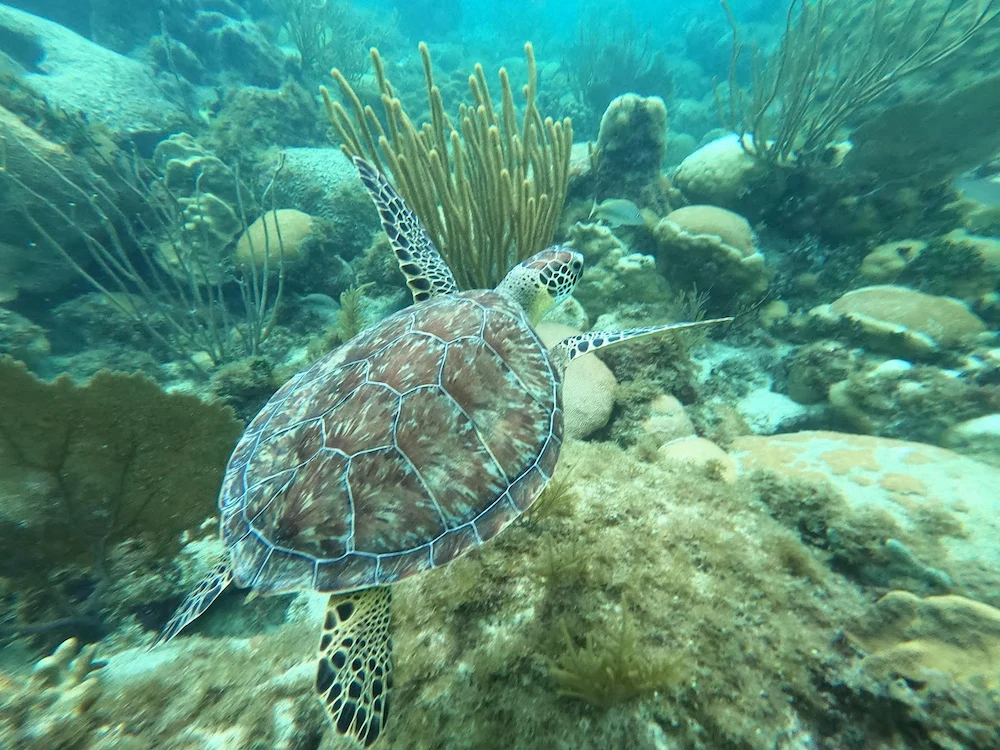
Sea turtles patrol these reefs year-round, but you’ll spot them most frequently in spring and summer when they’re more active in warmer water. We see them on probably 60-70% of trips during these months.
Tropical fish don’t really have seasons—they’re residents. The same queen angelfish, parrotfish, and sergeant majors you see in January will be there in July. What changes is their behavior. Warmer months bring more active feeding and breeding displays.
Nurse sharks appear occasionally throughout the year. They’re bottom-dwellers that rest in sandy areas and under ledges. Completely harmless, but always a thrill when guests spot one gliding along the reef.
Coral spawning happens in late summer, typically August and early September. It’s not a spectator event like you might imagine—it happens at night and the visual impact underwater is minimal during daylight hours. But knowing you’re snorkeling during this critical reproductive period adds something special to the experience.
Booking Considerations for Each Season
Winter requires the earliest booking. We’re talking 4-6 weeks in advance for popular time slots, especially around holidays. Our boats fill up fast during peak season, and what to do in Islamorada ranks high on every winter visitor’s search list.
Spring offers more flexibility. Two to three weeks advance booking usually secures your preferred date, with last-minute availability increasing in late April and May.
Summer needs advance planning for July and early August, but June and late August often have same-week availability.
Fall provides the most last-minute options. You can frequently book just a few days out, especially in September and October.
Making Your Decision
The honest answer is there’s no wrong time to snorkel Islamorada’s reefs. Your personal preferences matter more than any seasonal advantages.
Choose winter if you want the absolute clearest water and don’t mind occasional wind-related reef changes. Pick spring for balanced conditions and active marine life. Summer works perfectly for families with young children who appreciate that bathwater warmth. Fall gives you peaceful, uncrowded experiences with comfortable conditions.
We’ve been running sandbar and snorkeling tours since 2010, operating over 500 trips per year. Captain Matt has guided more than 2,000 happy guests through these waters, and he’ll tell you every single month delivers something special.
The best time to visit Islamorada for snorkeling is whenever you can get here. Book your trip, pack your snorkeling gear (or plan to use ours—it’s included), and get ready to explore some of the most beautiful reefs in the world.
Ready to experience Islamorada’s underwater paradise? Book your snorkeling adventure today—our trips fill up fast, especially during peak season.