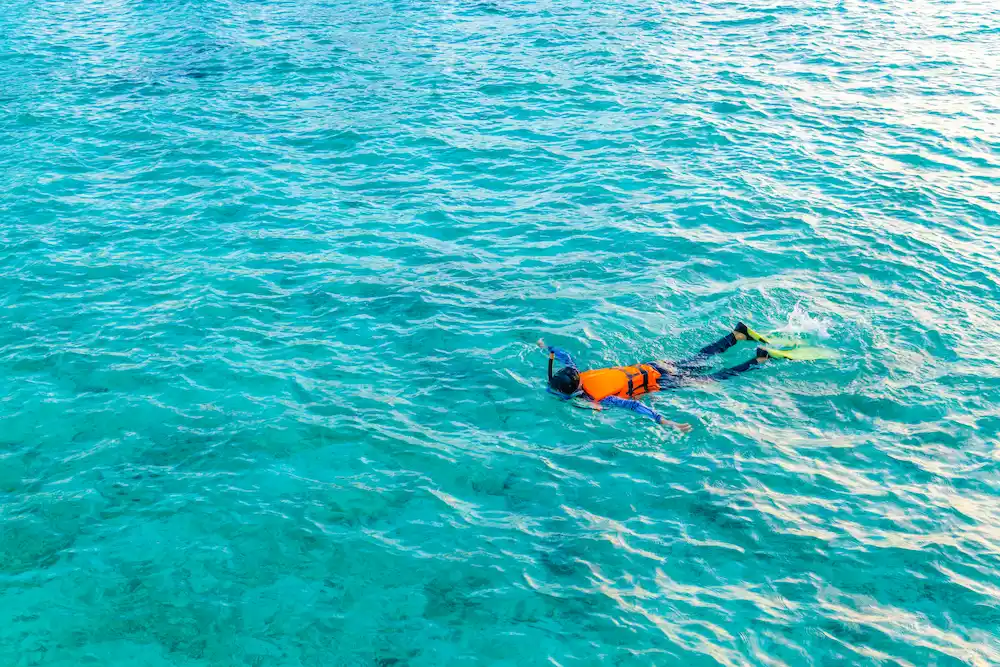
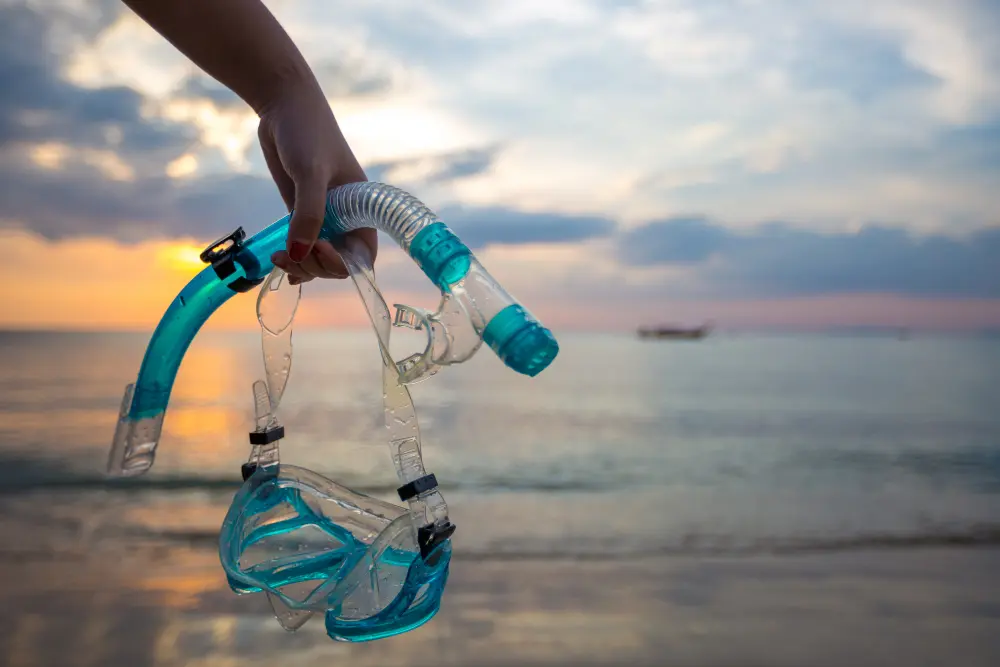
Snorkeling is an extraordinary way to explore vibrant underwater worlds, offering a close-up view of coral reefs, colorful fish, and marine life. Having the right snorkeling gear is essential for safety, comfort, and maximizing your enjoyment. From well-fitting masks that provide a clear and fog-free view to snorkels designed to keep water out, each piece plays a vital role in your experience. Whether you are a
beginner or an experienced adventurer, choosing quality equipment tailored to your needs can make all the difference. This article will guide you through the best snorkeling gear options available today, helping you find the perfect fit for your next underwater adventure. For those planning trips to breathtaking destinations like Islamorada, check out the excellent snorkeling tours offered by Clearly Unique Charters to pair your gear with unforgettable experiences.
Introduction
If you’re planning your first snorkeling adventure or looking to upgrade your equipment, understanding what makes great gear is essential. Let’s dive into everything you need to know about choosing the best snorkeling equipment for your underwater explorations.
Essential Snorkeling Gear
Snorkeling Mask
Traditional snorkeling masks cover your eyes and nose, offering excellent visibility and a proven design that’s been refined over decades. Full-face masks have gained popularity recently because they allow you to breathe through both your nose and mouth, which feels more natural for beginners. According to the Divers Alert Network, however, full-face masks require careful selection and use to ensure proper CO2 clearance.
When choosing a mask, prioritize these features: tempered glass lenses for safety and clarity, a comfortable silicone skirt that molds to your face shape, and an adjustable strap that doesn’t pull your hair. Anti-fog coating is essential—fogged lenses are one of the most common complaints among snorkelers. Look for masks with a wide field of view, especially if you want to take in more of the underwater landscape without constantly turning your head.
Snorkel Types and Features
Dry snorkels are particularly helpful in choppy conditions or for beginners who haven’t yet mastered the snorkel-clearing technique. According to the Professional Association of Diving Instructors (PADI), dry valves significantly reduce water intake, making the experience more comfortable and less stressful.
Purge valves at the bottom of the snorkel allow you to easily clear any water that does enter—just blow sharply, and the one-way valve expels the water without requiring you to remove the snorkel from your mouth. Flexible lower sections prevent jaw fatigue during extended use, while comfortable mouthpieces made from soft silicone reduce the chance of jaw soreness. If you’re interested in trying out different snorkel types before committing to a purchase, consider joining a guided snorkeling tour where you can test various equipment options.
Fins for Snorkeling
Short-blade fins (also called travel fins) are compact, lightweight, and easier to maneuver, making them ideal for beginners and snorkelers who prioritize portability. Full-length fins with longer blades provide more power with each kick, which experienced snorkelers appreciate when covering greater distances or swimming against currents. The American Red Cross emphasizes that proper fin technique reduces leg cramps and fatigue, particularly important during extended snorkeling sessions.
Additional Snorkeling Gear
Wetsuits and Rash Guards
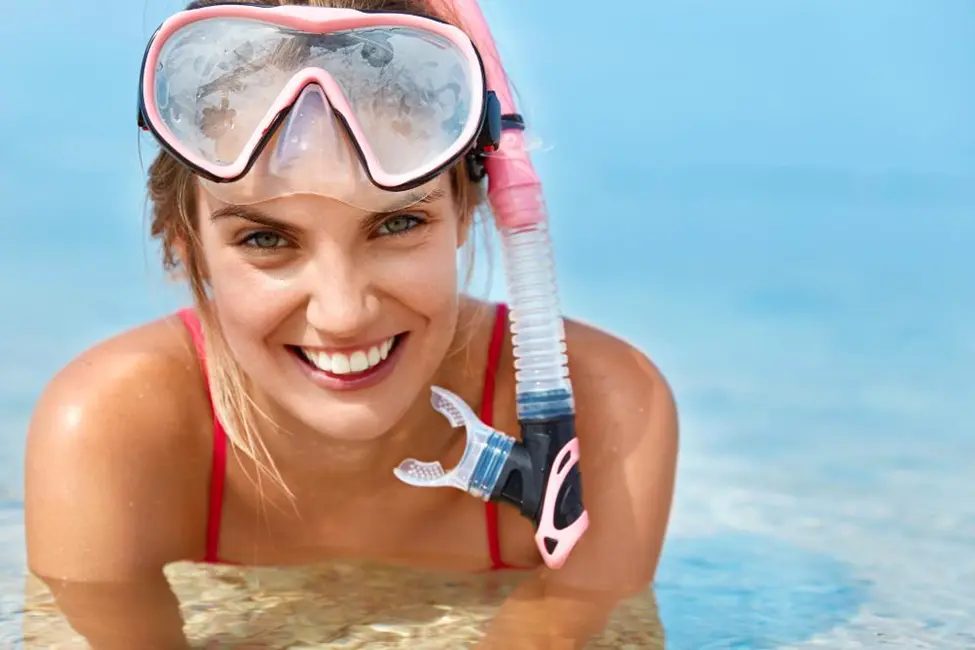
Even in tropical waters, thermal protection serves multiple important purposes beyond just warmth. Wetsuits and rash guards shield your skin from harmful UV radiation, which the Skin Cancer Foundation identifies as a significant risk during water activities due to reflection off the water’s surface intensifying sun exposure.
Full wetsuits provide maximum warmth and protection, ideal for cooler water temperatures or extended snorkeling sessions. Shorty wetsuits (short sleeves and legs) offer a balance between protection and freedom of movement in moderate conditions. Rash guards are perfect for warm tropical waters where you primarily need sun protection and defense against minor scrapes from coral or rocks.
The thickness of neoprene matters—thicker suits provide more insulation but less flexibility. For most recreational snorkeling in places like Islamorada, a 2-3mm wetsuit or rash guard is sufficient year-round.
Snorkeling Accessories
Dive Booties/Socks
These often-overlooked items prevent painful blisters from fin straps and provide crucial protection when entering or exiting the water over rocky or coral-covered surfaces. Neoprene booties also offer thermal insulation for your feet, which lose heat quickly in cooler water. The thicker sole provides comfort when walking on boat decks or beaches with sharp shells and stones.
Snorkeling Belts and Weight Belts:
Some snorkelers, particularly those wearing thick wetsuits, find themselves too buoyant to comfortably stay at the surface or make shallow dives. A weight belt with small amounts of lead helps counteract this buoyancy, allowing you to maintain a more neutral position in the water. This accessory is typically only necessary for those wearing significant thermal protection or individuals with naturally high body fat percentages that create excessive buoyancy.
Safety and Convenience Accessories
Safety should always be your top priority when snorkeling. Inflatable swim vests provide additional buoyancy for less confident swimmers or when snorkeling in deeper waters. Surface marker buoys with dive flags alert boaters to your presence, which is essential in busy waterways. Waterproof bags protect your valuables, while underwater cameras capture memories of the incredible marine life you’ll encounter. When booking private charters, ask what safety equipment is provided to ensure you’re adequately prepared.
Storage and Maintenance Equipment
Anti-fog treatments applied before each snorkeling session keep your mask clear. Traditional methods like baby shampoo or even toothpaste work well, though commercial defog solutions are specifically formulated for diving masks. According to ScubaLab, properly maintained gear can last for years with minimal investment in care products.
How to Choose the Right Snorkeling Gear for You
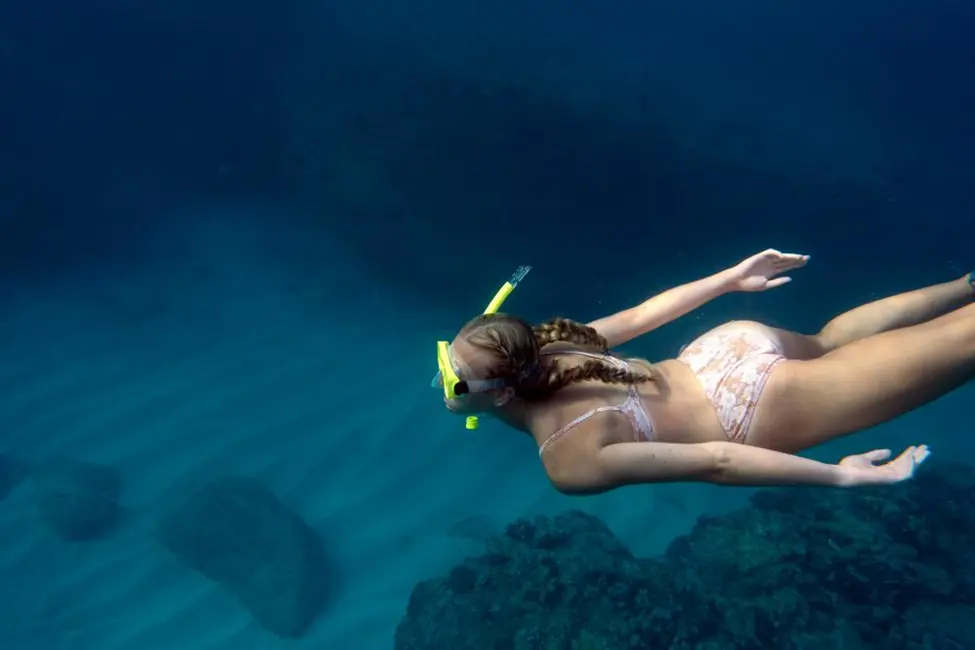
Consider where you’ll be snorkeling most often. Calm, warm Caribbean waters require different equipment than cooler Pacific coast conditions. The type of trips you plan also influences your choices. Shore snorkeling emphasizes portability and ease of entry, while boat-based excursions allow for more extensive gear setups.
Many experienced snorkelers recommend starting with rental equipment for your first few outings. This approach lets you experiment with different styles and brands before committing to purchases. Learning more about experienced guides and operators can also help you make informed decisions about equipment needs for specific environments.
Conclusion
Ready to put your gear to the test? Contact experienced charter operators who can guide you to the best snorkeling locations and help ensure you have everything you need for a safe, enjoyable underwater adventure.
Don’t let headaches or migraines control your life—take action today and discover the difference expert chiropractic care can make.
Author Bio:

Hello everyone, my name is Captain Matt Hungerford, and I’m the founder of Clearly Unique Charters, Islamorada’s premier snorkeling and sandbar tour company. Originally from Biloxi, Mississippi, I’ve always lived on the water and embraced every aspect of marine life. My journey began in 1992 when I started fishing and diving, leading to my captain’s license in 1996. I initially worked on oil field boats before transitioning to private yacht charters and luxury boat tours.