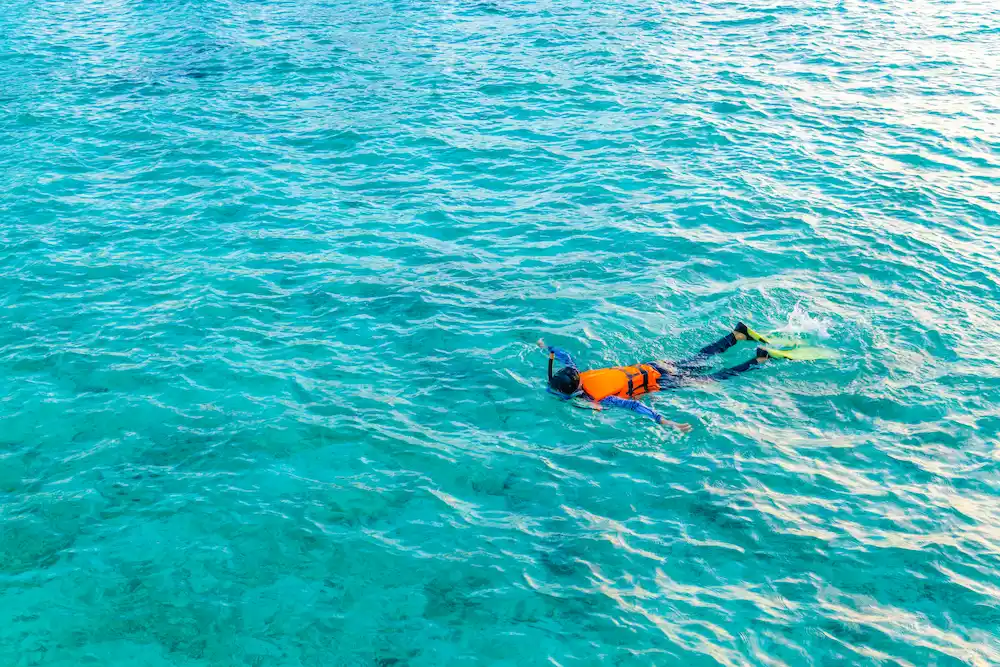
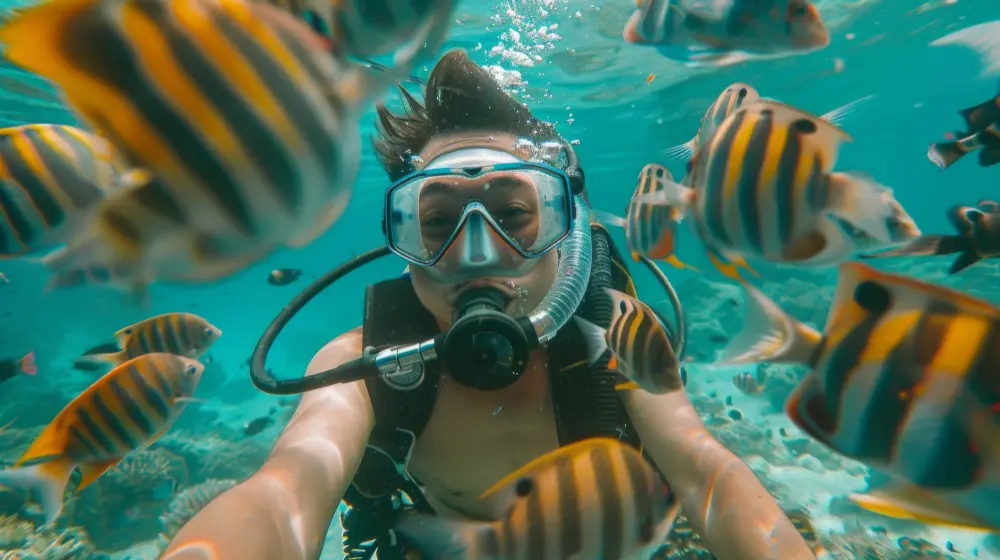
Snorkeling in the Florida Keys is remarkably safe when you follow basic guidelines, use proper equipment, and snorkel with experienced operators like Clearly Unique Charters. Our crew provides thorough safety instruction before every trip, we monitor all snorkelers in the water, and we choose locations appropriate for your group’s experience level and current conditions.
Why Florida Keys Snorkeling Is Generally Safe
The conditions around Islamorada create inherently safer snorkeling environments compared to many destinations. Our reefs sit in relatively shallow water, typically 10-20 feet deep, keeping you close to the surface. The protected location within the Florida Keys National Marine Sanctuary means no boat traffic in snorkeling areas.
Water temperatures stay comfortable year-round at 72-86°F, eliminating cold-water hazards. Visibility frequently exceeds 50 feet, allowing you to see your surroundings clearly. The saltwater’s natural buoyancy makes floating effortless, and our snorkeling locations rarely experience strong currents that could sweep swimmers away.
Pre-Trip Safety Preparation
Proper preparation before you even board the boat sets the foundation for safe snorkeling experiences.
Health Considerations
Snorkeling requires minimal physical fitness, but certain medical conditions warrant extra consideration. If you have respiratory issues, heart conditions, or ear problems, consult your doctor before booking. These conditions don’t necessarily prevent snorkeling, but you should understand any precautions you need to take.
Pregnancy in later trimesters sometimes makes snorkeling uncomfortable though not inherently dangerous. Listen to your body and discuss with your doctor if you have any concerns.
Swimming Ability Assessment
You don’t need to be a strong swimmer to snorkel safely in Islamorada. The saltwater’s buoyancy, life jacket availability, and calm conditions mean people with modest swimming skills successfully snorkel with us regularly. That said, you should be comfortable putting your face in water and not panic in deep water situations.
If you’re nervous about your swimming ability, mention this when booking. We can provide extra flotation support and our crew will give you special attention to ensure you feel safe and confident.
Equipment Safety
Proper equipment use prevents the majority of snorkeling difficulties. We provide professional-grade gear and thorough instruction on using it correctly.
Mask Fitting and Use
A properly fitted mask creates a watertight seal against your face without feeling overly tight. Before entering the water, we help you achieve proper fit by adjusting straps and testing the seal. The mask should stay in place when you shake your head gently.
If your mask leaks slightly during snorkeling, don’t panic. Small amounts of water entering the mask are normal and easily cleared using the technique we teach before you enter the water. Panic about minor leaks causes more problems than the leaks themselves.
Snorkel Breathing
The snorkel tube allows you to breathe while floating face-down at the surface. Keep the top of the snorkel above water and breathe normally through your mouth. If water enters the snorkel (usually from waves or going too deep), either clear it forcefully by exhaling or simply lift your head above water and drain it.
New snorkelers sometimes hyperventilate from anxiety about breathing through the snorkel. Take slow, deep breaths and remember that you can always lift your head above water to breathe normally. There’s no rule saying you must keep your face down continuously.
Fin Use
Fins make swimming more efficient but require a different kicking technique than swimming without them. Use slow, deliberate kicks from your hips rather than rapid knee movements. Proper fin technique conserves energy and prevents fatigue.
Be aware of your fins in relation to the reef below you. Accidentally kicking coral damages both the reef and potentially cuts your feet if you’re not wearing water shoes under your fins.
In-Water Safety Practices
Once you’re snorkeling, following basic safety practices keeps the experience enjoyable and incident-free.
Stay With Your Buddy
Never snorkel alone. Always have a buddy you can see, ideally within 10-20 feet. Check on each other periodically to ensure everyone is doing fine. This simple practice means help is immediately available if anyone experiences difficulties.
Our crew also monitors all snorkelers from the boat, but buddy pairs provide an additional safety layer that’s immediately responsive.
Pace Yourself
Snorkeling should feel relaxing, not exhausting. If you’re breathing hard or feeling tired, stop and rest. You can float on your back, grab a life ring we have available, or swim back to the boat. The reef will still be there – take breaks as needed.
Many first-time snorkelers start enthusiastically and tire quickly. Pace your initial exploration and gradually extend your time in the water as you build confidence and stamina.
Stay Aware of Your Position
While focused on the fascinating underwater world, periodically lift your head and check your position relative to the boat. Gentle currents can gradually move you farther than intended. If you find yourself significantly farther from the boat than you intended, swim back before you’re too tired.
Captain Matt positions the boat in areas with minimal current specifically to prevent snorkelers from drifting, but staying aware of your location is still important.
Marine Life Safety
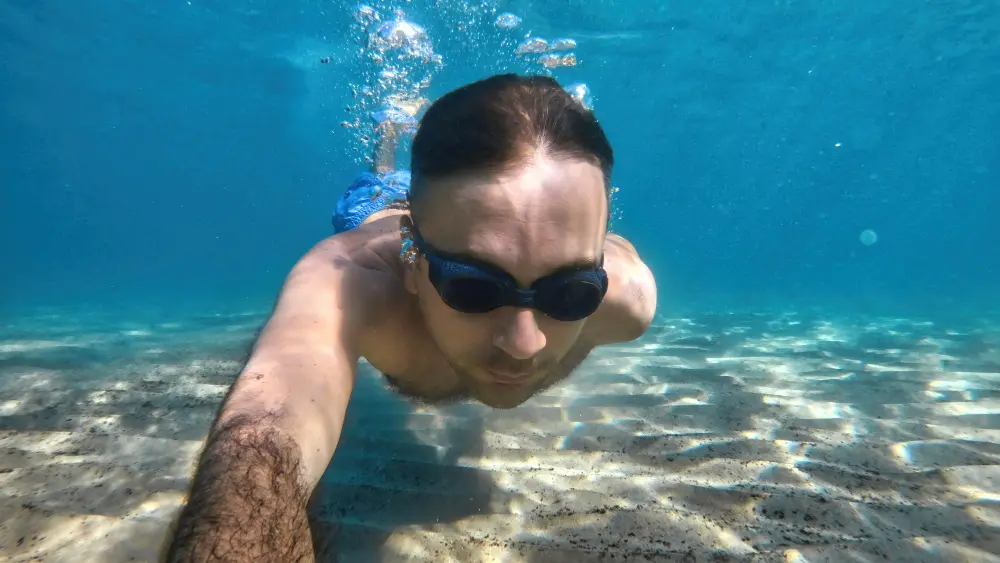
The marine life you’ll encounter during our tours poses minimal danger when you follow simple guidelines about observation and respect.
General Wildlife Interaction Rules
Look but don’t touch applies to everything underwater. Fish, sea turtles, rays, coral, and all marine life should be observed from appropriate distances. Touching stresses animals, can injure them, and sometimes results in defensive reactions that hurt you.
Never chase marine life. Animals that flee from you are communicating discomfort with your presence. Respect that boundary and let them maintain distance if they choose.
Coral Safety
Coral appears solid and rock-like but is actually living tissue that’s easily damaged. Never stand on, touch, or grab coral. The delicate polyps can be killed by contact, and sharp coral can cut skin easily, creating wounds prone to infection.
Maintain proper buoyancy control to avoid accidentally contacting coral. This is why we emphasize careful fin use and body position awareness during our pre-snorkel instruction.
Fish and Larger Marine Life
The tropical fish you’ll see at our reef locations are accustomed to snorkelers and show little fear. They won’t attack or harm you unless you corner or grab them. Simply observe and photograph from reasonable distances.
Larger species like groupers and barracuda also pose no threat to snorkelers who don’t harass them. These fish are curious but not aggressive. Barracuda particularly tend to follow snorkelers, which alarms some people, but they’re simply investigating, not threatening.
Potentially Hazardous Species
While dangerous marine life encounters are extremely rare in Islamorada, understanding potential hazards helps you stay safe.
Fire Coral
Fire coral (which is actually more related to jellyfish than true coral) causes painful stings if touched. It’s identifiable by its yellowish-brown color and smooth surface. Our crew points out fire coral during pre-snorkel briefings so you can recognize and avoid it.
Jellyfish
Jellyfish occasionally appear in Islamorada waters, though they’re not common at our usual snorkeling sites. If you spot jellyfish, maintain distance and alert your dive buddy and crew. Most jellyfish stings are painful but not dangerous.
Sea Urchins
Long-spined sea urchins live in reef crevices and on rocky surfaces. Their spines easily penetrate skin if you touch or step on them. This is another reason to avoid touching the reef and watch where you position your hands and feet.
Stingrays
Stingrays bury themselves in sandy areas where they’re nearly invisible. If you’re wading in shallow water, shuffle your feet rather than taking normal steps. This gives rays time to move away before you step on them. Ray stings are defensive reactions to being stepped on and are easily avoided with proper foot placement awareness.
Weather and Environmental Awareness
Weather conditions significantly impact snorkeling safety, which is why Captain Matt monitors forecasts carefully and makes informed decisions about when and where to snorkel.
Pre-Trip Weather Assessment
We track weather conditions continuously and contact guests if conditions require rescheduling. Our nearly 15 years of experience means we know when conditions are safe versus when they’re questionable. Safety always takes precedence over schedule convenience.
Lightning and Thunderstorms
Florida afternoon thunderstorms are common during summer months. If thunderstorms approach while we’re on the water, we’ll return to shore immediately. Being on or in water during lightning is extremely dangerous, so we take no chances with electrical storm proximity.
Rough Water Conditions
High winds and rough seas make snorkeling uncomfortable and potentially unsafe. Our catamaran design provides exceptional stability, but we avoid conditions where wave action would make snorkeling difficult or dangerous. If ocean-side conditions are rough, we can sometimes substitute bayside snorkeling locations that remain calm.
Boat Safety
Safety extends beyond just time in the water. Proper boat behavior prevents accidents during travel and while moored.
Boarding and Moving Around
Use three points of contact (two hands and one foot, or two feet and one hand) when moving around the boat. Wet surfaces can be slippery, so move carefully and hold handrails. When the boat is underway, remain seated unless the crew indicates it’s safe to move around.
Entering and Exiting Water
We provide clear instructions for safe water entry from our vessels. Most guests use the swim ladder, entering feet-first while holding the ladder rails. Take your time – there’s no rush. Once in the water, move away from the boat so the next person can enter safely.
For water exit, approach the ladder and hand your fins to a crew member before climbing up. Climbing a ladder while wearing fins is difficult and potentially dangerous.
Sun Safety
Sun exposure during snorkeling trips poses real risks that many people underestimate. Your back and shoulders remain exposed to intense direct sunlight while you float face-down watching the reef.
Sunscreen Application
Apply reef-safe sunscreen 15-30 minutes before sun exposure and reapply every 80 minutes or after extended water time. Pay special attention to often-missed spots like the backs of knees, ears, and the part in your hair.
Remember that even cloudy days involve significant UV exposure. Our clothing guide covers sun protection options in detail, but the short version: rash guards and swim shirts provide superior protection to sunscreen alone.
Hydration
Dehydration happens quickly in Florida’s heat, especially when you’re active in the water. We provide complimentary beverages on all our tours, and you should drink water regularly even if you don’t feel particularly thirsty.
Emergency Procedures
While emergencies are extremely rare, knowing what to do if something goes wrong provides peace of mind.
What Crew Does
Our crew maintains constant visual contact with all snorkelers in the water. We carry comprehensive first aid equipment, emergency oxygen, and communication devices to summon help if needed. All crew members are trained in first aid and emergency response procedures.
What You Should Do
If you experience difficulties in the water, signal for help by waving your arms overhead. Stay calm, use your flotation (life jacket or your natural buoyancy in saltwater), and our crew will reach you quickly. In nearly 15 years of operation, serious incidents have been extremely rare, largely because we emphasize prevention and maintain high safety standards.
Special Considerations for Families
When snorkeling with children, parents should take extra safety precautions to ensure kids have safe, positive experiences.
Child Supervision
Parents must maintain close supervision of children in the water. Don’t rely solely on crew members to watch your kids – they monitor all snorkelers but can’t provide the dedicated one-on-one attention parents should provide their own children.
Life Jackets for Kids
We strongly recommend life jackets for all children, even strong swimmers. The psychological security of knowing they can’t sink helps kids relax and enjoy snorkeling rather than worrying about staying afloat.
Why Safety Records Matter
Our nearly 15 years of safe operation reflect our commitment to proper procedures, appropriate caution, and guest wellbeing. Safety isn’t just about rules – it’s about experienced judgment, proper equipment maintenance, and genuine care for the people we bring onto the water.
Captain Matt’s three decades of marine experience means he’s seen countless conditions and knows how to read situations that might concern less experienced operators. This expertise translates directly into safer, more enjoyable experiences for our guests.
Safe Snorkeling Starts With Proper Planning
Ready to experience Islamorada’s underwater beauty safely? Our snorkeling tours and combo packages provide professional equipment, expert instruction, and experienced crew dedicated to your safety and enjoyment.
Questions about safety procedures or special accommodations you might need? Call us at (305) 413-8307 or check our FAQ page. We’re happy to discuss any concerns and explain how we ensure safe, enjoyable experiences for all our guests.
Book your safe snorkeling adventure today and discover why thousands of guests have trusted us to provide both exciting and secure underwater experiences in beautiful Islamorada.