The best snorkeling outfit for the Florida Keys includes a comfortable swimsuit, reef-safe sunscreen, and optional sun protection clothing like a rash guard or swim shirt. Water temperatures stay warm year-round at 72-86°F, so wetsuits aren’t necessary, though some snorkelers prefer lightweight sun protection garments that also provide modest warmth.
Essential Snorkeling Clothing
Getting your clothing right makes the difference between comfortable snorkeling and dealing with sunburn, chafing, or temperature discomfort. Let’s start with the basics everyone needs.
Swimsuit Selection
Your swimsuit serves as your base layer for snorkeling. Women typically choose one-piece swimsuits or well-fitting bikinis that stay secure during active swimming. Sport-style swimsuits work better than fashion styles because they’re designed for actual water activity rather than just looking good.
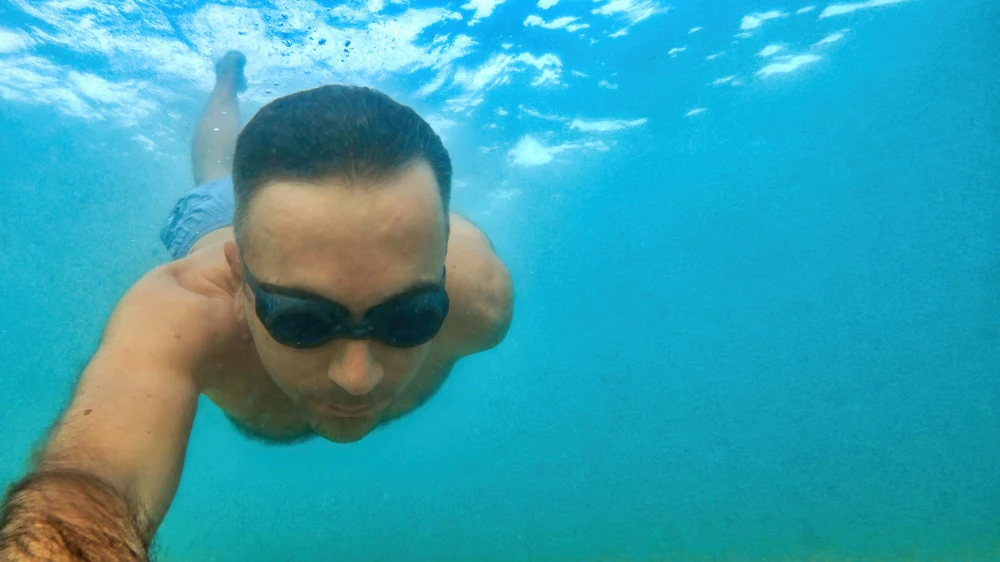
Men usually opt for swim trunks or board shorts. Shorter lengths (7-9 inches) provide better range of motion while swimming than longer board shorts. Avoid heavy, baggy styles that create drag in the water.
Why Fit Matters
Snorkeling involves more active movement than casual swimming. You’re kicking with fins, adjusting your position, and moving around to explore the reef. A swimsuit that shifts, rides up, or requires constant adjustment becomes frustrating quickly.
Test your swimsuit at home before your trip. Can you bend, stretch, and move actively without it shifting? Does it stay in place when you jump up and down? If not, choose a different suit for your snorkeling adventure.
Sun Protection Clothing Options
The Florida Keys sun is intense, especially when reflected off the water. Your back, shoulders, and neck remain exposed to direct sunlight while you float face-down watching the reef. Sun protection clothing prevents painful burns that ruin the rest of your vacation.
Rash Guards and Swim Shirts
Rash guards are fitted, stretchy shirts designed specifically for water sports. They provide UPF 50+ sun protection while drying quickly and allowing full range of motion. Long-sleeve rash guards offer maximum coverage, while short-sleeve versions protect your core while leaving arms exposed.
Swim shirts are similar but usually looser fitting. Both work well for snorkeling, though some people prefer the tighter fit of rash guards because there’s less fabric to catch water and create drag.
Choosing the Right Sun Protection Top
Look for garments specifically labeled with UPF ratings. UPF 50+ blocks 98% of UV radiation, providing excellent protection even when wet. Regular cotton t-shirts lose much of their sun protection when wet and become heavy and uncomfortable.
Light colors reflect heat and feel cooler in tropical sun, but darker colors often provide slightly better UV protection. Choose based on personal preference since both work well when the garment has proper UPF rating.
Leggings and Swim Tights
For maximum sun protection, some snorkelers wear swim leggings or tights that cover legs completely. These work especially well for people who burn easily or plan to spend extended time in the water during our 3.5-hour combo tours.
Like rash guards, look for purpose-built swim leggings with UPF ratings rather than regular athletic leggings that absorb water and become uncomfortable.
Wetsuit Considerations
Florida Keys water temperatures rarely require wetsuits, but some situations make them worth considering.
When You Might Want a Wetsuit
Water temperatures during winter months (December through February) can drop to the low 70s. Most people find this comfortable for snorkeling, but those who get cold easily might appreciate a thin wetsuit. A 2-3mm shorty wetsuit provides warmth without restricting movement or creating excessive buoyancy.
People with low body fat percentage tend to get cold faster and might benefit from thin neoprene even in warmer months. If you know you’re usually cold in pool water, consider bringing a thin wetsuit for your Florida Keys snorkeling.
What We Don’t Recommend
Full 5-7mm wetsuits designed for cold water diving are unnecessary and uncomfortable in Florida Keys conditions. The excess buoyancy makes snorkeling awkward, and you’ll overheat quickly. Stick with thin options if you choose wetsuit protection at all.
Footwear for Boat and Beach
What you wear on your feet before and after snorkeling matters for comfort and safety on the boat.
Water Shoes and Sandals
Bring water-friendly footwear that you can wear on the boat and easily remove for snorkeling. Sport sandals with back straps work well, as do water shoes or quick-dry sneakers. Avoid flip-flops because they’re slippery on wet boat decks and easily lost overboard.
Once you’re snorkeling, you’ll remove your footwear and use the fins we provide. The fins fit over bare feet, so you don’t wear shoes or sandals while actually in the water.
Sandbar Considerations
At the sandbar portion of our combo tours, you can wade barefoot in the soft sand and clear water. Most guests prefer going barefoot here, though water shoes work fine if you prefer that extra layer.
Reef-Safe Sunscreen Requirements
What you put on your skin is almost as important as what you wear over it. Traditional sunscreens damage coral reefs and harm marine life.
Why Reef-Safe Sunscreen Matters
Chemicals like oxybenzone and octinoxate in traditional sunscreens cause coral bleaching and disrupt marine ecosystems. When you swim in reef areas, these chemicals wash off your skin directly into the environment where corals live.
The coral reefs you’ll explore during our tours depend on all snorkelers using reef-safe products. It’s not optional – protecting these ecosystems requires everyone’s participation.
What Makes Sunscreen Reef-Safe
Look for mineral-based sunscreens containing zinc oxide or titanium dioxide as active ingredients. Avoid products containing oxybenzone, octinoxate, octocrylene, or parabens. Many brands now clearly label their products as “reef-safe” or “ocean-friendly.”
Our complete packing guide includes specific brand recommendations if you need help choosing reef-safe sunscreen.
Application Tips
Apply sunscreen 15-30 minutes before sun exposure to allow it to bond with your skin. Reapply every 80 minutes or after extended time in the water. Pay special attention to often-missed spots like ears, backs of knees, and the part in your hair.
Even with sun protection clothing, exposed skin needs sunscreen. The combination of reef-safe sunscreen and UPF clothing provides the best protection against Florida Keys sun.
What Not to Wear Snorkeling
Some clothing choices create problems or discomfort during snorkeling trips. Avoid these common mistakes.
Cotton Clothing
Regular cotton t-shirts, shorts, or dresses become heavy when wet, take forever to dry, and provide minimal sun protection once saturated. Save cotton clothing for after the trip. Stick with purpose-built swim fabrics for water activities.
Jewelry and Accessories
Remove watches, bracelets, necklaces, and rings before snorkeling. Jewelry can catch on coral (damaging both the jewelry and the reef), get lost in the water, or cause skin irritation when trapped under snorkel equipment. Leave valuables secured on the boat or better yet, at your hotel.
Heavy Board Shorts
Long, baggy board shorts create drag in the water and can interfere with fin movements. If you prefer board shorts, choose fitted athletic styles rather than loose fashion versions designed for sitting on the beach.
What to Bring to Change Into
Think beyond just snorkeling gear. You’ll want dry, comfortable clothing for after your water activities.
Dry Clothes for After
Bring a complete change of clothes including underwear, dry shirt, and shorts or pants. Pack these in a waterproof bag to keep them dry during the boat ride. There’s nothing worse than finishing an amazing snorkeling trip and having to drive back to your hotel in a wet, uncomfortable swimsuit.
Towels
Bring at least one large towel for drying off. Some guests bring two – one for initial drying and one to sit on during the boat ride back. Quick-dry travel towels work especially well because they’re compact and absorb water efficiently.
Seasonal Clothing Adjustments
While Florida Keys weather stays relatively consistent, different seasons call for slightly different clothing approaches.
Summer Snorkeling Attire (June-September)
Water temperatures peak in the mid-80s, and air temperatures climb into the 90s. Light colors, breathable fabrics, and maximum sun protection become priorities. Many snorkelers wear full rash guards and swim leggings during summer to prevent sunburn during extended water time.
Winter Snorkeling Attire (December-February)
Water temperatures drop to low-70s, and air temperatures range from 65-75°F. Most people still don’t need wetsuits, but bringing an extra layer like a light jacket for the boat ride makes sense. Consider long-sleeve rash guards for both warmth and sun protection.
Spring and Fall Conditions
These shoulder seasons offer ideal conditions with comfortable water temperatures in the mid-to-upper 70s and pleasant air temperatures. Standard swimsuit and optional rash guard combinations work perfectly.
Special Considerations for Kids
Children’s snorkeling clothing needs differ slightly from adults, primarily around sun protection and temperature comfort.
Sun Protection for Young Skin
Kids’ skin is more sensitive to sun damage than adult skin. We strongly recommend full-coverage rash guards and swim leggings for all children, even those who tan easily. Combined with reef-safe sunscreen on exposed areas, this provides the protection young skin needs.
Fit and Comfort
Kids grow quickly, so snorkeling clothing from last year might not fit properly now. Test everything before your trip. Uncomfortable or ill-fitting clothing distracts children from enjoying the experience and creates unnecessary stress for parents.
Clothing Storage and Organization
Smart packing helps ensure you have everything you need when you need it.
Waterproof Bags
Use waterproof bags or dry bags to separate wet items from dry clothes, towels, and electronics. This keeps everything organized on the boat and prevents wet swimsuits from soaking other items in your beach bag.
Quick-Access Items
Keep reef-safe sunscreen, sunglasses, and hat in an easy-access pocket so you can reapply or adjust as needed without digging through your entire bag.
Ready for Your Snorkeling Adventure?
Now that you know what to wear, you’re prepared for comfortable, protected snorkeling in Islamorada. Our snorkeling tours and combo packages provide all the equipment you need for exploring reefs and sandbars. You just need to bring appropriate clothing and sun protection.
Questions about what to wear or bring? Check our FAQ page or call us at (305) 413-8307. We’re happy to help you prepare for your Florida Keys adventure.
Book your snorkeling trip today and get ready to explore the crystal-clear waters and vibrant coral reefs of Islamorada. With the right clothing and sun protection, you’ll be comfortable and protected throughout your underwater adventure.