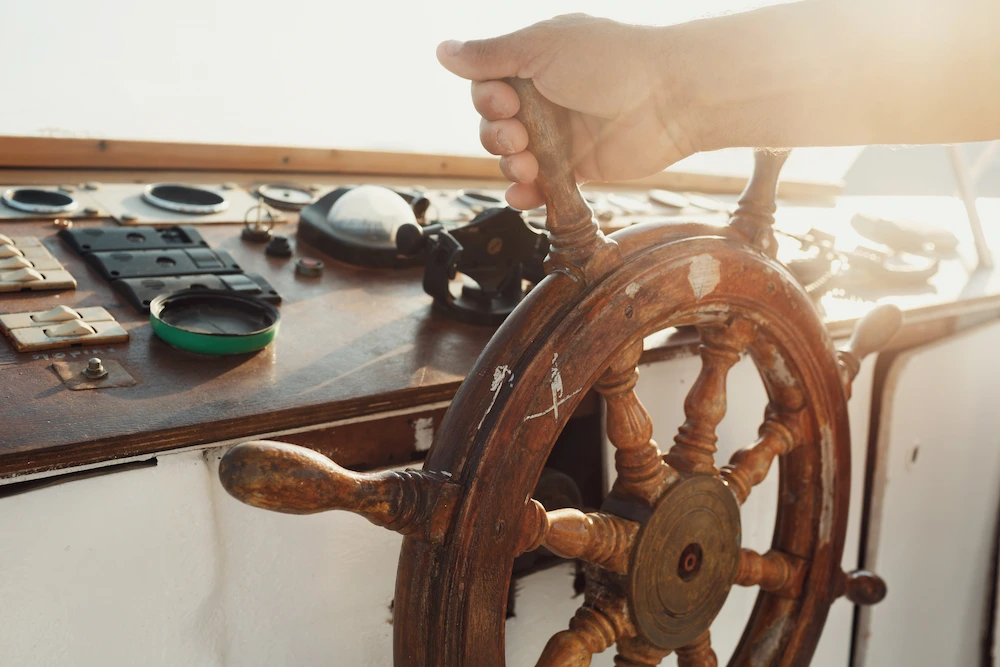
The snorkeling location for any given day in Islamorada isn’t picked from a fixed schedule. It’s a daily decision Captain Matt makes by reading wind direction, tidal movement, water clarity, and seasonal marine life patterns. That flexibility is the difference between a good snorkeling trip and a great one, and it’s something most guests never see happening behind the scenes.
Why the Spot Changes Every Day
A lot of snorkeling operators run the same route to the same reef regardless of conditions. It’s simpler, but it means some days you arrive at a site with poor visibility, choppy water, or strong current that makes the experience frustrating instead of memorable.
Captain Matt takes a different approach. With nearly 30 years of marine experience and pilot training that taught him to read weather and conditions systematically, he treats location selection as a daily problem to solve rather than a fixed habit. The reef that was perfect yesterday might be the wrong call today. The goal is always the same: put guests in the clearest, calmest, most marine-life-rich water available that morning.
The Factors That Go Into the Decision
Wind Direction and Speed
Wind is the single biggest factor in daily snorkeling conditions. Wind generates surface chop, which affects both comfort and visibility. More importantly, the direction of the wind determines which sites are sheltered and which are exposed.
A light northeast wind, common in the dry season, tends to leave the Atlantic reef sites calm and clear. A strong south or southwest wind can stir up the same sites and make a sheltered location the better call. Captain Matt checks the morning wind forecast and current conditions, then matches them to the site that will be most protected and comfortable.
Tidal Movement
Tides drive water movement across the reef, and that movement affects both visibility and marine life behavior. An incoming tide often brings clearer ocean water onto the reef, improving visibility. Slack tide, the brief window between incoming and outgoing, frequently offers the calmest, clearest conditions of the day.
Strong tidal current can also make snorkeling harder work, especially for beginners and children. Timing the trip around favorable tidal windows, and choosing sites where current is manageable, keeps the experience accessible for everyone aboard.
Water Clarity
Visibility is what separates an unforgettable snorkeling experience from a murky disappointment. Clarity depends on recent weather, wind history over the past few days, tidal state, and the specific site. A reef can be crystal clear one morning and hazy the next after a windy night stirs up sediment.
Captain Matt factors in the recent weather pattern, not just the current moment, when predicting where clarity will be best. A few days of calm weather generally means excellent visibility across most sites; a recent blow means choosing locations that recover clarity fastest.
Seasonal Marine Life Patterns
Different times of year bring different marine life activity to different sites. Sea turtle presence, fish schooling behavior, and the activity of seasonal visitors all shift through the year. Knowing where the marine life is concentrated in a given season is the kind of knowledge that only comes from years of running the same waters.
Our seasonal snorkeling guide covers how marine life activity changes month by month, which is part of the bigger picture Captain Matt draws on when picking a site.
The Sites in Rotation
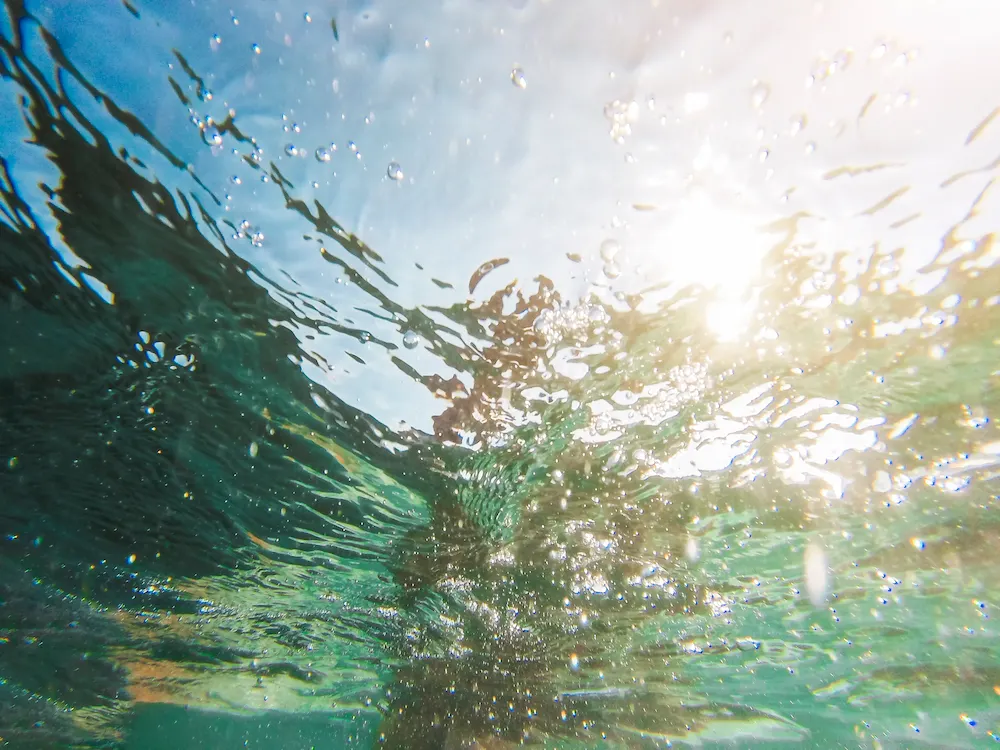
Islamorada has several premier snorkeling sites, and Captain Matt rotates between them based on the daily read. The two most frequently visited are Alligator Reef and Cheeca Rocks.
Alligator Reef offers more dramatic open-water snorkeling with larger fish and stronger structure, but it’s more exposed to wind and current. Cheeca Rocks is shallower, closer to shore, and more sheltered, often the better choice on windier days or for groups with younger children. On days when ocean conditions don’t favor either, bayside snorkeling locations provide a calm, clear alternative.
The point is that guests don’t have to know any of this. They show up, and Captain Matt has already done the work of figuring out where the best water will be that morning.
What This Means for Your Trip
Practically, it means a few things. First, the destination on your trip may differ from what someone else experienced last week, and that’s by design. Second, on rough-weather days, the trip adapts rather than disappoints. Rather than forcing a bad experience at an exposed site, Captain Matt moves to calmer water, extends sandbar time, or adjusts the plan.
It also means the answer to “which reef will we visit?” is genuinely “it depends on the day.” That’s not evasive. It’s the honest reflection of an approach built around guest experience rather than operator convenience.
The Expertise Behind the Call
This kind of decision-making comes from experience that’s hard to shortcut. Captain Matt has spent his life on the water, earning his captain’s license in 1996 and his pilot’s license in 1997, the latter sharpening his ability to read weather systems and conditions. He pioneered Caribbean-style eco-tours in the Florida Keys and selected a high-speed, twin-hulled vessel specifically to reach remote sites that other operators can’t access on a half-day timeframe.
You can read more about his background on the about page. The short version: when he picks a snorkeling spot, it’s an informed call backed by decades of reading these exact waters.
Frequently Asked Questions
Can I request a specific snorkeling site?
You can certainly mention a preference, and we’ll do our best where conditions allow. That said, the daily site selection exists to give you the best possible experience, so trusting Captain Matt’s read of the morning’s conditions usually leads to the better trip.
Why didn’t we go to the reef I read about?
If conditions at a particular reef aren’t ideal on your trip day, we’ll choose a site with better visibility and calmer water. The goal is always the best available snorkeling that morning, not a fixed destination.
Does the location affect what marine life we see?
Somewhat, since different sites have slightly different habitats. But all the reef sites we visit offer excellent marine life, including reef fish, coral, and frequent sea turtle sightings. Captain Matt factors marine life activity into the daily decision.
Ready to let an expert pick the perfect spot for you? Book your snorkeling tour online or call us at (305) 413-8307. Nearly 15 years of reading these waters goes into every trip.