Yes, you can occasionally see sharks while snorkeling in Islamorada, and the most common species you’ll encounter, the nurse shark, poses essentially no threat to snorkelers. Shark encounters here are rare, usually brief, and far more often a highlight than a scare. Here’s an honest breakdown of what you might actually see in the water.
Let’s Address the Fear First
The fear of sharks keeps a lot of people from trying snorkeling, and it’s worth tackling head-on. Most of what people picture when they think “shark” comes from movies, not from reality. The aggressive, human-hunting predator of the popular imagination simply doesn’t reflect how sharks behave around snorkelers in the Florida Keys.
The species commonly seen in Islamorada’s shallow reef and flats environments are not interested in people. They’re focused on the small fish, crustaceans, and invertebrates that make up their actual diet. In nearly 15 years of running snorkeling trips in these waters, the team at Clearly Unique Charters has seen countless shark sightings turn into the best part of someone’s trip.
Which Sharks You Might See in Islamorada
Nurse Sharks
By far the most commonly encountered shark in Islamorada’s snorkeling areas. Nurse sharks are slow-moving, bottom-dwelling fish that spend their days resting in sandy patches or tucked under coral ledges. They’re nocturnal feeders, which means during daylight snorkeling hours they’re usually just lying still, doing nothing.
They can grow up to ten feet but are completely docile. Nurse sharks have small mouths designed for sucking up small prey from the seafloor, not for anything resembling a threat to a person. As long as guests observe them respectfully and don’t touch or harass them, a resting nurse shark is one of the calmest, most photogenic marine encounters you can have.
Reef Sharks
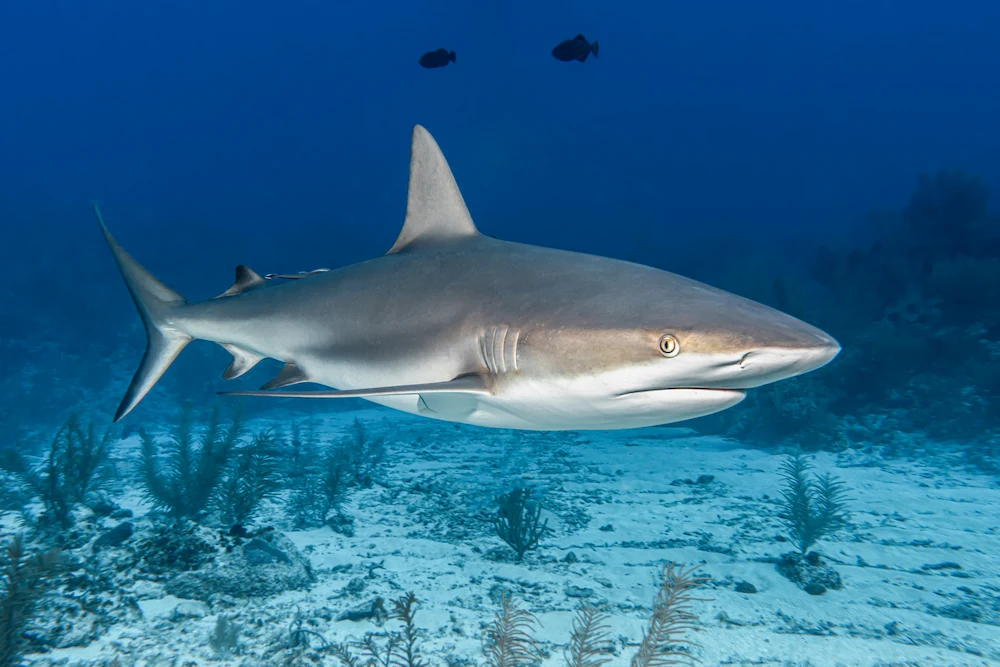
Caribbean reef sharks occasionally pass through the deeper reef areas around Islamorada. These are more active swimmers than nurse sharks, and seeing one cruising along the reef edge is genuinely exciting. They’re naturally cautious around humans and typically keep their distance. Sightings are uncommon during typical snorkeling trips but do happen, particularly at the more open reef sites.
Bonnethead and Small Sharks
In the shallow backcountry flats, small species like bonnethead sharks (a small relative of the hammerhead) sometimes appear. They’re typically two to three feet long, harmless, and skittish. If you spot one, it’s usually a quick glimpse before it moves off into deeper water.
Lemon and Bull Sharks
These larger species exist in Florida Keys waters but are rarely encountered at the reef and sandbar sites where snorkeling takes place. They tend to prefer different habitats and depths. Their presence in the broader ecosystem is part of a healthy marine environment, but they’re not a realistic concern for reef snorkelers in the areas we visit.
What’s the Actual Risk?
Honestly, very low. Shark bites on snorkelers in the Florida Keys are extraordinarily rare. The sharks present in snorkeling areas are predominantly nurse sharks, which have no interest in people. The statistical risk of a negative shark encounter while snorkeling here is far lower than the risks you accept driving to the dock.
That said, sharks are wild animals and deserve respect. The crew briefs all guests on how to behave around marine life before entering the water, and following a few simple guidelines keeps every encounter safe and positive.
How to Stay Safe Around Sharks While Snorkeling
The guidelines are simple and mostly common sense:
- Never touch, chase, or corner a shark. A resting nurse shark that feels trapped may react defensively, which is the one scenario worth avoiding entirely.
- Don’t snorkel with open wounds or bleeding.
- Remove shiny jewelry before entering the water, which can attract curious fish.
- Stay calm. Erratic splashing draws attention. Slow, deliberate movement keeps you unremarkable to marine life.
- Observe from a respectful distance and let the animal go about its day.
For a complete overview of staying safe in the water, our Florida Keys snorkeling safety guide covers everything from marine life to sun protection to dealing with currents.
Why Most Guests End Up Hoping to See a Shark
Here’s the thing that surprises first-timers: once you understand what you’re actually looking at, a shark sighting goes from terrifying to thrilling. A nurse shark resting peacefully under a coral ledge is a beautiful, calm animal. Watching a reef shark glide along the reef edge is the kind of moment people remember for years.
By the end of a trip, the guests who were most nervous about sharks are often the ones asking the crew where they might spot one. That shift, from fear to fascination, is one of the most rewarding parts of introducing people to the reef.
Where You’re Most Likely to See Sharks
Nurse sharks are commonly spotted at reef sites like Alligator Reef, where coral ledges provide ideal resting spots. Our Alligator Reef guide covers the marine life at this site in detail. Captain Matt selects the day’s snorkeling location based on conditions, and while shark sightings are never guaranteed, the reef environments we visit offer the best chance of a respectful encounter.
The snorkeling tour and the snorkeling and sandbar combo both visit prime reef habitat. All gear is provided, and the crew gives full instruction, including how to handle any marine life encounter, before anyone gets in the water.
Frequently Asked Questions
Are nurse sharks dangerous to snorkelers?
Not under normal circumstances. Nurse sharks are docile, slow-moving, and uninterested in people. The only bites on record have involved someone touching or harassing them. Observe respectfully and they pose no threat.
Has anyone been bitten by a shark while snorkeling in Islamorada?
Shark bites on snorkelers in the Florida Keys are extraordinarily rare. The sharks present at snorkeling sites are predominantly harmless nurse sharks. The risk is minimal when guests follow basic marine life guidelines.
What should I do if I see a shark while snorkeling?
Stay calm, keep a respectful distance, and observe. Don’t chase, touch, or corner it. Most sharks will simply ignore you or move along. Our crew briefs guests on exactly this before every trip.
Ready to see the reef for yourself, sharks and all? Book your snorkeling tour online or call us at (305) 413-8307. We’ll make sure you know exactly what to expect before you ever touch the water.