Packing for your Islamorada snorkeling trip doesn’t require extensive planning—we provide all the essential snorkeling equipment, drinks, and gear you need for a great day on the water. But bringing a few smart items can upgrade your comfort and let you capture memories you’ll treasure for years. The key is knowing what’s genuinely useful versus what just adds bulk to your bag.
What’s Already Included (Don’t Pack These)
Before we talk about what to bring, let’s cover what you don’t need to worry about. Our snorkeling tours come fully equipped.
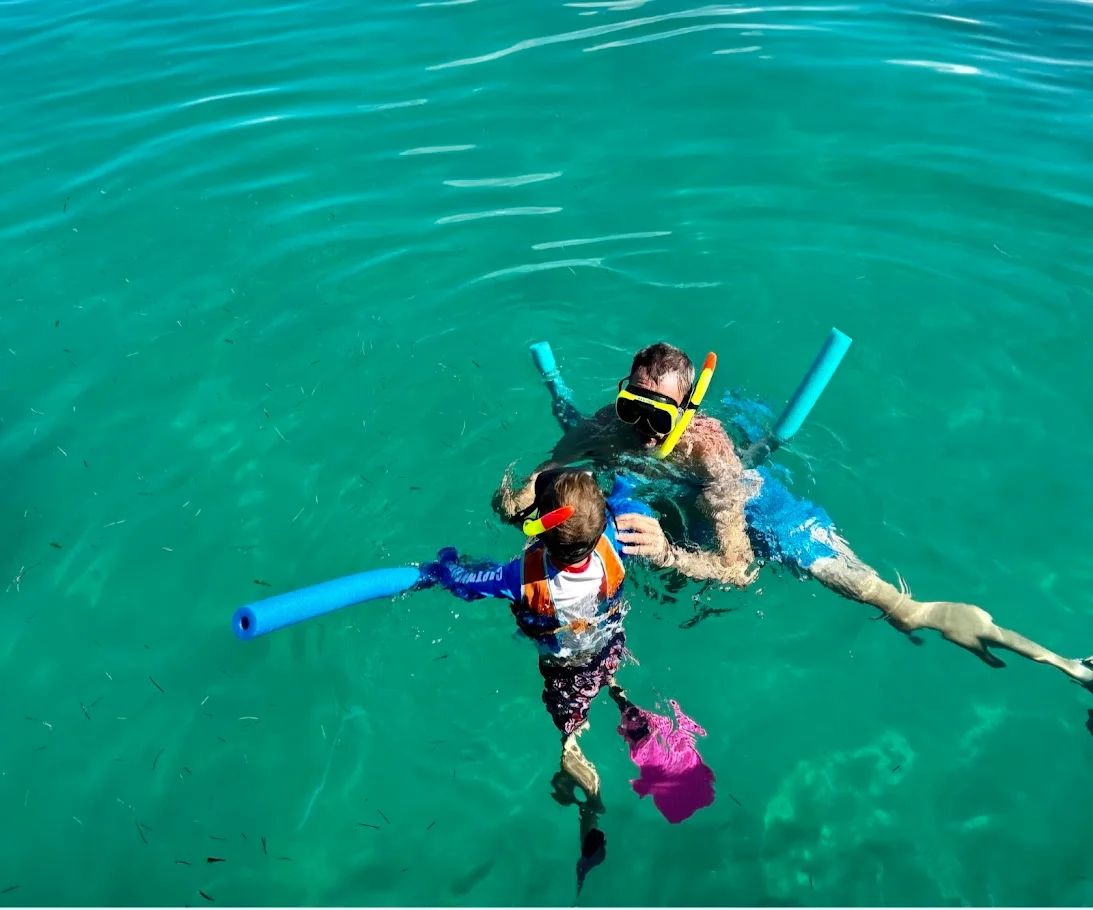
Snorkeling gear is completely provided. That means quality masks, snorkels, and fins in all sizes including child-sized gear. We’ve taught children as young as three to snorkel using our equipment. The gear gets cleaned and sanitized between trips, and we maintain it to high standards—no leaky masks or broken straps.
Drinks are included based on your tour type. Snorkeling and sandbar combos include water, lemonade, beer, and rum punch. Snorkel-only trips typically include water and lemonade. Check your specific booking confirmation if you’re unsure.
Floating devices and paddleboards come standard on sandbar trips. These stay on the boat until we reach the sandbar, where they’re distributed for guest use.
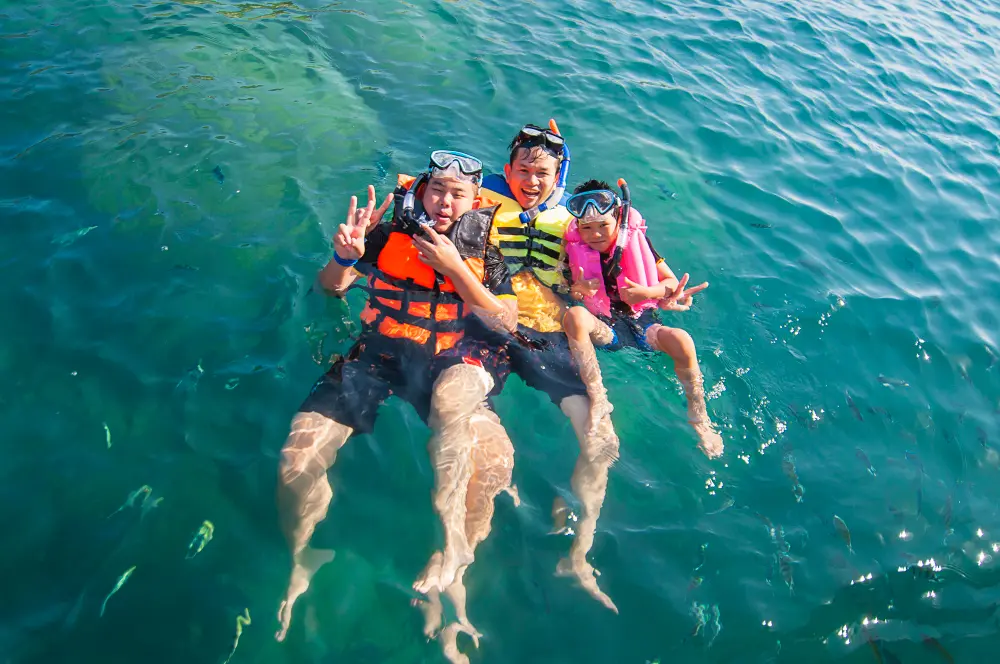
Life jackets in all sizes are on every boat. Coast Guard-approved vests for adults down to toddler sizes. You don’t need to bring your own flotation devices.
Towels are provided if you ask for them at the tiki hut during check-in at our departure docks. They’re not automatically distributed, but they’re available. Many guests prefer bringing their own because hotel towels or personal ones feel more familiar.
The bottom line: you could literally show up with nothing but sunscreen and have everything you need for the trip. But most guests appreciate having a few additional items for comfort and convenience.
Sun Protection Essentials
Reef-safe sunscreen tops the list. Florida has regulations protecting coral reefs, and certain sunscreen ingredients harm marine environments. Bring mineral-based sunscreens with zinc oxide or titanium dioxide as active ingredients. Avoid oxybenzone and octinoxate.
Apply sunscreen 15-30 minutes before departure, then reapply after you’ve been in the water. The combination of water reflection and tropical sun creates serious UV exposure even on partly cloudy days. We see sunburns regularly on guests who thought they didn’t need protection.
Rash guards or sun shirts provide better protection than sunscreen alone. Long-sleeve options made from UV-protective fabric keep sun off your back and shoulders while snorkeling. They dry quickly and take up minimal bag space. Many guests appreciate that they don’t have to constantly reapply sunscreen to covered areas.
Wide-brimmed hats work for the boat ride but you’ll want to remove them before snorkeling. Bring a hat you don’t mind getting wet or leaving secured on the boat while you’re in the water. Those cheap straw hats sold at beachside shops work perfectly—if one blows overboard, it’s not a major loss.
Sunglasses with UV protection help during the boat ride and any time you’re on deck. Polarized lenses are fantastic for seeing through water surface glare. Get a strap or croakies to keep them secured—boats move, and glasses slide off easily.
What to Wear
Swimsuit under comfortable clothes is the standard approach. Most guests wear their swimsuit from the hotel and throw shorts and a t-shirt over it. You’ll strip down to the swimsuit for snorkeling.
Women often prefer one-piece suits or sport-style bikini tops rather than triangle-string bikinis. Snorkeling involves some swimming, climbing back onto the boat, and general movement. Secure swimwear just makes the experience more comfortable.
Water shoes or sport sandals with back straps work better than flip-flops. The boats have non-skid surfaces, but you’re climbing on and off, potentially walking on the sandbar, and moving around wet surfaces. Flip-flops are fine but easy to lose. Whatever you choose, make sure you don’t mind getting it wet and sandy.
Light cover-up or shirt for after snorkeling feels good to many people. The boat ride back can feel cool when you’re wet, especially if there’s any wind. Having something to throw on provides comfort without taking up much space.
Camera and Photography Gear
Waterproof phone cases or dry bags let you bring your phone safely. Modern phones have decent water resistance, but salt water and submersion are different from light splashes. A $15 waterproof case provides peace of mind and lets you take surface shots without worry.
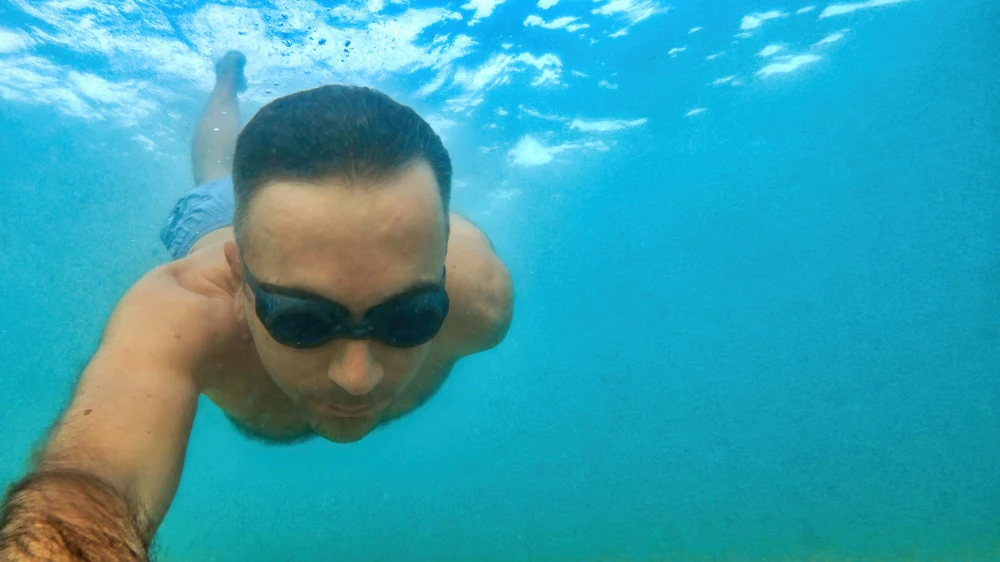
GoPros or underwater cameras capture the reef experience in ways standard cameras can’t. You don’t need professional gear—even basic action cameras do well in the clear Florida Keys water. Bring extra batteries and memory cards. You’ll shoot more footage than you expect.
Floating wrist straps for cameras prevent the sinking-camera disaster. If it’s not attached to you and it goes underwater, it should float. Simple rule that saves expensive equipment.
Think about how you’ll use the photos afterward. Many guests shoot tons of footage then never watch it. If you’re someone who actually reviews and shares photos, definitely bring the gear. If you tend to let memory cards sit undeveloped for years, maybe just enjoy the moment without the camera.
Personal Comfort Items
Prescription masks if you wear glasses. We don’t provide these, but local dive shops rent them. Book ahead because availability can be limited. Alternatively, many guests who wear contacts just wear them under our standard masks without issues—but that’s a personal comfort decision and you should check your eye doctor’s guidance first.
Motion sickness medication if you’re prone to seasickness. Our large catamarans are exceptionally stable and seasickness is rare, but if you know you’re susceptible, take something preventatively. Non-drowsy options like ginger supplements or Sea-Bands work for some people. Prescription patches work for others. Take whatever you’d normally use 30-60 minutes before departure.
Small dry bag for valuables. Your phone, wallet, keys, and other items stay safe on the boat with the crew watching them (our team is honest and professional), but some guests prefer their own waterproof storage. A small dry bag handles this and takes up minimal space.
Medications you might need during the trip. Inhalers, EpiPens, or other essentials should come with you. We have basic first aid on board, but anything prescription or specific to your health needs is your responsibility.
What About Food?
Our trips don’t include food, but you’re welcome to bring snacks. Most guests find they don’t want much—between the drinks, the activity, and the boat motion, heavy eating doesn’t appeal to many people.
Light snacks like granola bars, fruit, or crackers work well if you need something. Avoid messy foods or anything that requires refrigeration. The boats stay clean, and food waste attracts birds and can end up in the water.
At the sandbar locations, food boats sometimes anchor nearby selling snacks, drinks, and lunch items. It’s not guaranteed, but it happens frequently enough that you might not need to pack much food.
Optional But Appreciated Items
Waterproof Bluetooth speaker if you want to contribute to the music vibe, but honestly, we provide tropical music through the boat system. Most guests find that sufficient. If you bring one, keep volume reasonable—remember you’re sharing space with other guests who might have different music preferences.
Reef identification cards or waterproof fish ID guides add an educational element. Some guests, especially those with kids, enjoy identifying species they see. These laminated guides run about $5-10 and fit in a pocket. Not essential, but they enhance the experience for curious minds.
Sarong or beach towel beyond what the boat provides gives you options. Some people like extra coverage or prefer their own towel for various reasons.
What Not to Bring
Full-face snorkel masks aren’t allowed on our trips. We don’t provide them, and we ask that you don’t bring your own. Safety concerns with oxygen exchange and CO2 buildup mean we stick with traditional snorkel gear.
Expensive jewelry should stay at the hotel. Salt water damages many metals and stones, and the risk of losing something in the ocean isn’t worth it.
Glass containers aren’t allowed. Broken glass on a boat creates hazards. Bring drinks in plastic or cans if you’re bringing anything beyond what we provide.
Drones require special permission and Coast Guard compliance for operation over water. Don’t plan on flying one without discussing it with us first at 305-413-8307.
Large bags or coolers are impractical. Small personal bags work fine, but big luggage-style items just create clutter on the boat. Pack light in a single small bag or backpack.
Special Circumstances Packing
Pregnant women should bring any comfort items they need and inform the crew of their condition. We welcome pregnant guests but want to ensure everyone stays comfortable and safe.
Young children might want their own small backpack with favorite snacks, a special water bottle, or comfort items. Having “their” stuff sometimes makes the experience more engaging for kids. All our snorkeling gear comes in child sizes, so don’t stress about equipment.
Guests with mobility considerations should bring any assistive devices they need. Call us beforehand at 305-413-8307 to discuss specific accommodations. Our boats aren’t fully handicap-accessible, but we work with guests to make experiences possible when we can.
Packing for Different Trip Types
Snorkel-only trips (typically shorter, 2-3 hours) require less than combo trips. You’re in and out of the water at the reef, then heading back. Basic essentials—sunscreen, camera, water—cover it.
Snorkeling and sandbar combos (longer, 3-4 hours) benefit from a few extras since you’ll be out longer. Maybe a light snack, change of shirt, extra towel. The sandbar portion means more time in the sun outside the water.
Sunset cruises (2 hours, evening) need different considerations. Light jacket for cooler evening air, less sun protection needed as the sun drops, maybe a nicer cover-up if you’re doing the restaurant drop-off option.
Private charters give you more flexibility to bring whatever you want since you’ve booked the entire boat. Some groups bring decorations for celebrations, special music playlists, or themed items for bachelorette parties or birthdays. Just run anything unusual past us when booking.
The Minimal Packing Approach
If you want to travel as light as possible, here’s the absolute minimum list:
- Reef-safe sunscreen
- Swimsuit (wear it under clothes)
- Water shoes or secure sandals
- Sunglasses
- Towel (or ask for one at check-in)
That’s genuinely enough. Everything else enhances the experience but isn’t strictly necessary. Captain Matt has seen guests show up with nothing but sunscreen and swimsuits and have fantastic trips.
Pre-Trip Prep Beyond Packing
Check the weather forecast the day before your trip, but remember Captain Matt makes final weather calls. Don’t cancel on your end due to weather concerns—if conditions are unsafe, we cancel and provide refunds. If we’re operating, conditions are manageable.
Eat a light meal before departure. Not starving, but not stuffed. Something simple and not too heavy. Snorkeling on a completely empty stomach feels uncomfortable for some people, but a full stomach increases seasickness risk for others.
Hydrate well the day before and morning of your trip. Being properly hydrated makes sun exposure, physical activity, and time on the water more comfortable. Don’t chug water right before departure, but make sure you’re not dehydrated heading in.
Review our FAQ page for any last-minute questions about what to expect, policies, or logistics.
What Guests Wish They’d Brought
After nearly 15 years and over 2,000 happy guests, we’ve heard a few common themes about items people wish they’d packed:
“I wish I’d brought my GoPro“—said by guests who saw incredible marine life and couldn’t capture it.
“I should have packed a rash guard”—guests with sunburned backs and shoulders say this a lot.
“Extra towel would have been nice”—particularly from families with kids who go through towels quickly.
“Motion sickness meds just in case”—even though it’s rare on our stable catamarans, the few guests who do feel queasy always wish they’d come prepared.
Storage and Security on the Boat
Your belongings stay safe on the boat while you’re snorkeling. The crew remains with the vessel and watches gear. We’ve never had theft issues—our team is professional and trustworthy, and they take that responsibility seriously.
Small dry bags can stay with you in the water if you really need phone or keys accessible, but most guests prefer leaving everything aboard and just enjoying the swim unencumbered.
The boats have some storage cubbies and seating areas where bags can be secured during transit. Things don’t fly around or slide off easily, but make sure items are placed sensibly before we start moving.
Ready to Experience Islamorada’s Reefs?
Packing smart makes your snorkeling adventure more comfortable and lets you capture memories without stress. But remember—we provide everything essential. The gear, the drinks, the local expertise that comes with nearly 16 years exploring these specific waters.
Don’t overthink it. Pack your sunscreen, throw on a swimsuit, and get ready to see why Islamorada ranks among the best snorkeling destinations in the world.
Book your Islamorada snorkeling trip today—spaces fill quickly, especially during peak season. Our crew will handle the rest.