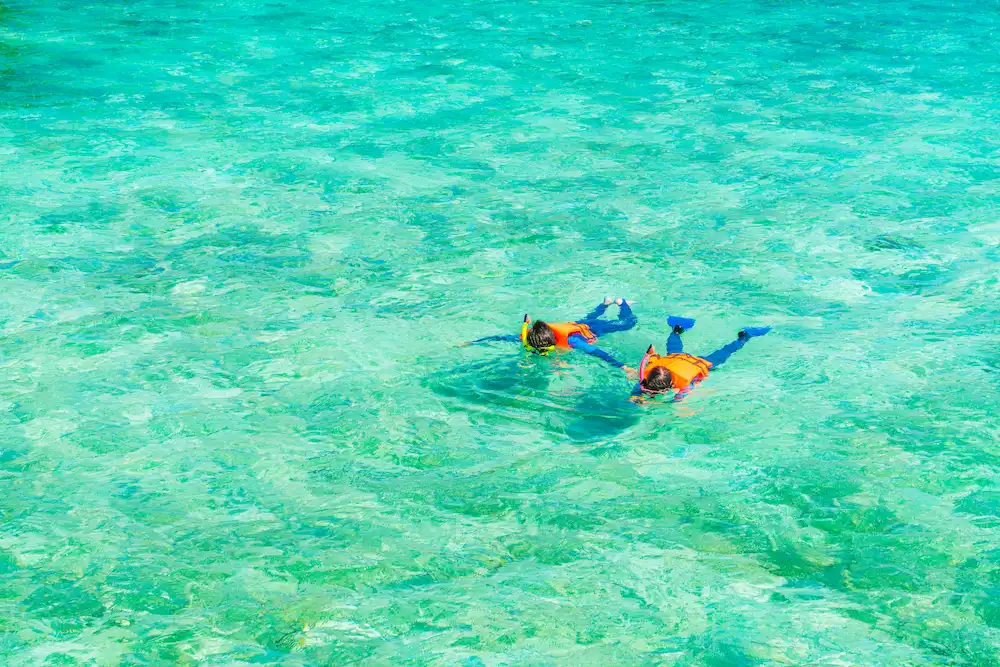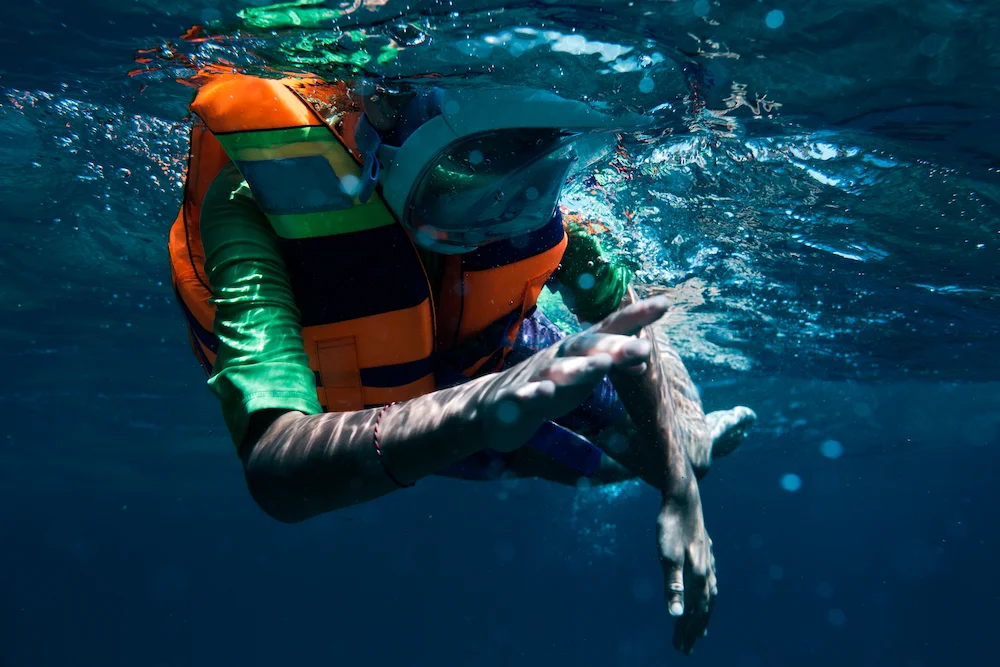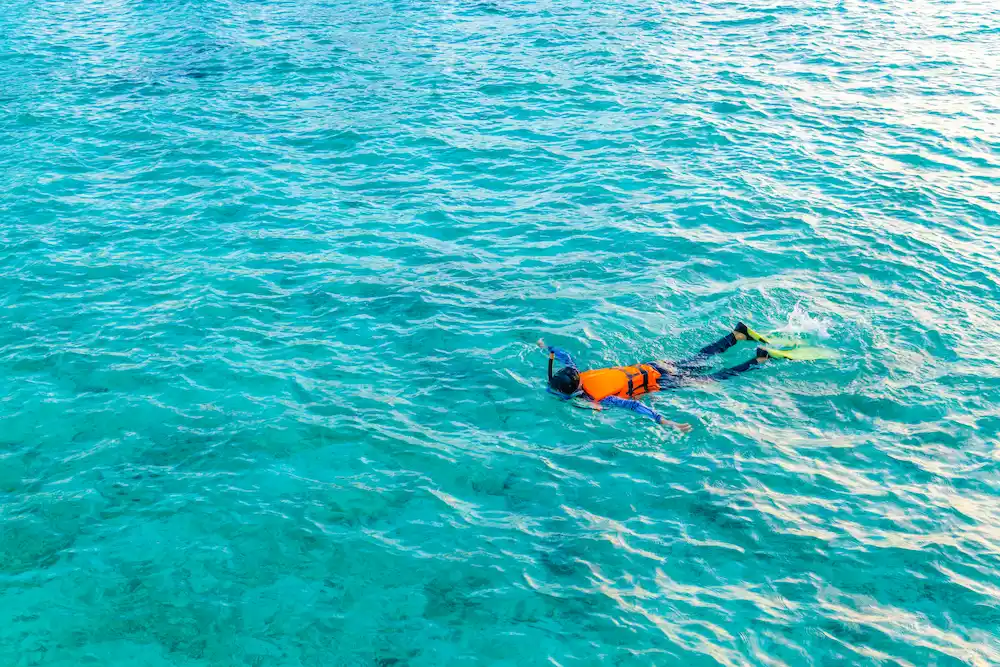
Yes, Islamorada is genuinely excellent for snorkeling – and not just by Florida standards. The combination of shallow, accessible reefs, warm clear water, and diverse marine life puts the Upper Keys among the better snorkeling destinations in the entire Caribbean basin. But “good for snorkeling” covers a lot of ground, so let’s get specific about what you’ll actually experience.
What Makes Islamorada’s Snorkeling So Good
Three things set Islamorada apart from most snorkeling destinations: reef depth, water clarity, and marine life density.
Reef Depth
The coral reef formations at Islamorada’s best snorkeling sites sit at 7 to 17 feet below the surface. That’s shallow enough to see everything clearly without ever diving down, and shallow enough for confident first-timers to feel completely comfortable. In many destinations, good reef structure starts at 40 or 50 feet – inaccessible to snorkelers and requiring scuba certification. In Islamorada, the productive reef is right there at the surface.
Water Clarity
The Atlantic water on the reef side of Islamorada is typically clear. Visibility of 20 to 40 feet is common on good days – meaning you can see the reef structure below you, the fish moving through the coral, and the sandy bottom beyond the reef edge all at once. Weather and wind can affect clarity on any given day, which is why Captain Matt selects snorkeling locations based on current conditions rather than a fixed route.
Marine Life
The Florida Keys sit within the Florida Keys National Marine Sanctuary, which has protected the reef ecosystem here for decades. That protection shows. Parrotfish, queen angelfish, blue tang, yellowtail snapper, sergeant majors, trumpetfish, barracuda – these are common sightings, not rare encounters. Sea turtles appear at Islamorada reef sites regularly enough that a majority of snorkeling trips include at least one sighting.
Honest Expectations: What You Should Know Before You Go
Islamorada’s snorkeling is genuinely world-class, but it’s also honest to set accurate expectations on a few points.
The Reef Has Seen Better Days – And Is Recovering
Like most coral reef systems globally, Islamorada’s reefs have experienced bleaching events and storm damage over the decades. What you’re snorkeling over today is a reef in recovery – and active recovery at that. You will see healthy, living coral. You’ll also see sections of dead or damaged reef structure alongside the thriving sections. That’s an honest picture of reef health worldwide right now, not a reason to skip Islamorada.
Our coral reef guide covers the specific types of coral you’ll encounter and what the current health picture looks like at the sites we visit.
Marine Life Sightings Are Not Guaranteed
We see sea turtles on the vast majority of our trips. Parrotfish and reef fish are essentially guaranteed. But specific encounters – a spotted eagle ray, a nurse shark, a large turtle feeding on the reef – depend on conditions that day and where we are in the water column. We don’t overclaim, and we won’t. What we can say is that the variety and density of marine life at Islamorada’s reef sites consistently exceeds what guests expect.
Conditions Vary
Wind, current, and weather affect visibility and sea conditions. On rough days, we adjust – moving to calmer bayside snorkeling locations or extending sandbar time. Captain Matt has nearly 15 years of reading these conditions and will always put you in the best available spot given what the day is offering. No snorkeling trip is ever cancelled because of conditions – it’s adjusted.
How Islamorada Compares to Other Snorkeling Destinations
Visitors often ask how Islamorada stacks up against other Florida Keys destinations or Caribbean spots. It’s a fair question.
Compared to Key Largo, Islamorada offers more accessible reef sites with smaller crowds. Key Largo has famous deep sites like the Christ of the Abyss statue, but those require scuba gear. Islamorada’s shallow reef system is more snorkeler-friendly. Our Islamorada vs Key Largo comparison covers this in detail.
Compared to the Bahamas or Caribbean, Islamorada offers solid reef snorkeling at a fraction of the travel cost and complexity. The reef biodiversity in the Bahamas edges out the Keys in some respects, but for visitors on the US mainland, Islamorada is the most accessible world-class snorkeling available without a passport.
Is Islamorada Good for Beginner Snorkelers?
Yes – and it may actually be one of the better beginner snorkeling destinations specifically because of the shallow, calm conditions. Saltwater buoyancy helps with staying afloat, the reef is close to the surface so there’s no pressure to dive down, and our crew provides thorough instruction before anyone enters the water.
Our first-time snorkeling guide for the Florida Keys covers everything a beginner needs to know – gear, breathing technique, what to expect, and how to handle any anxiety before the trip. It’s worth reading before you arrive.
Is Islamorada Good for Kids?
Very much so. The shallow reef sites are appropriate for children who are comfortable in the water, and the sandbar component of our most popular tour gives younger kids who aren’t ready to snorkel a phenomenal experience in waist-deep turquoise water. About 90% of our sandbar guests are families – it works for every age group.
The Best Way to Experience Islamorada Snorkeling
The snorkeling and sandbar combo is the most popular tour for good reason – 3.5 hours that covers reef snorkeling and sandbar time in one outing, with all gear, beverages, paddleboards, and expert guidance included. It’s the best single experience for getting a full picture of what Islamorada’s waters offer.
If you want dedicated reef time without the sandbar, the 2-hour snorkeling tour focuses entirely on the reef. Our guide to choosing between the snorkeling tour and the combo helps you decide which fits your group better.
Frequently Asked Questions
What time of year is best for snorkeling in Islamorada?
Year-round snorkeling is genuinely possible and good. The dry season from November through April typically offers the best water clarity. Summer brings warmer water and active juvenile marine life. Our full seasonal snorkeling guide covers conditions month by month.
Do I need to bring my own snorkeling gear?
No – professional-grade masks, fins, and snorkels are included with all our snorkeling tours. You’re welcome to bring your own gear if you prefer, but most guests find ours works perfectly well.
How deep is the water when snorkeling in Islamorada?
The reef sites we visit sit at 7 to 17 feet. You’re always close to the surface, which makes the experience comfortable for first-timers and gives you excellent visibility of the reef below.
Ready to find out for yourself? Book your snorkeling tour online or call us at (305) 413-8307. We’ve been introducing guests to these reefs for nearly 15 years – and we’re confident they’ll exceed your expectations.