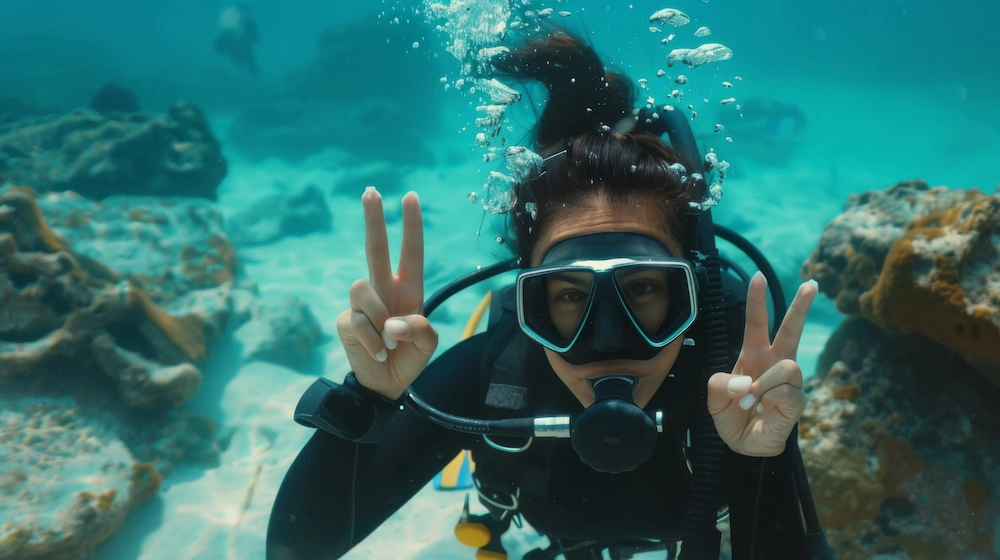
Snorkeling and scuba diving both give you access to Islamorada’s underwater world, but they’re very different experiences with different requirements, costs, and trade-offs. For most visitors – especially families, beginners, and anyone on a tight schedule – snorkeling wins. Here’s an honest comparison so you can decide what’s right for your trip.
The Core Difference
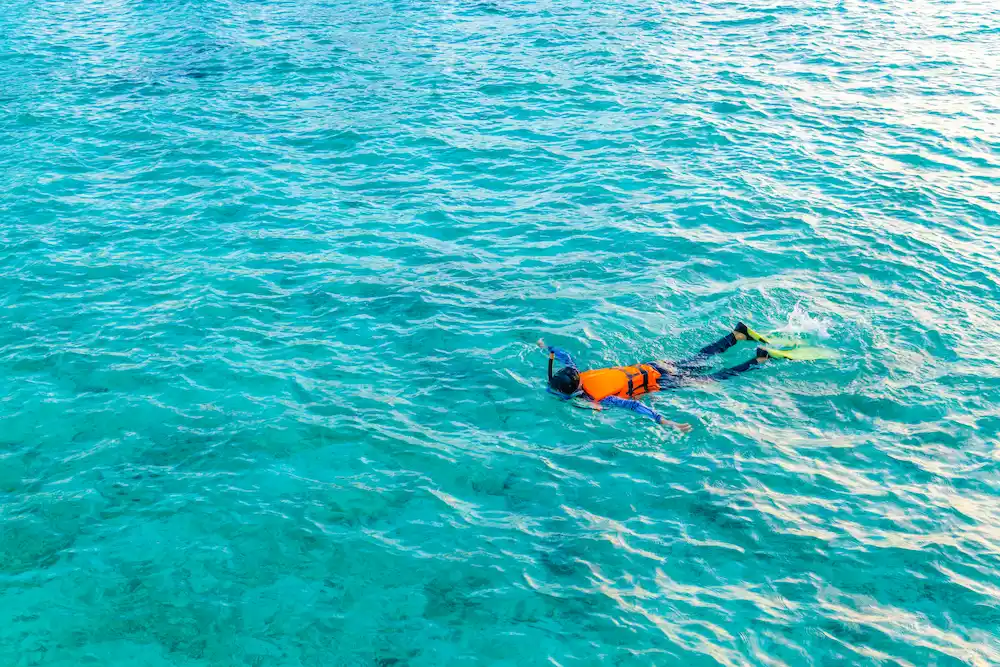
Snorkeling keeps you at the surface. You float face-down, breathe through a tube, and observe the reef from above. It’s immediate, requires no training, and gives you surprisingly good views at many of Islamorada’s best sites.
Scuba diving takes you fully underwater. You breathe from a tank, descend to depth, and get up-close access to the reef in a way snorkeling can’t replicate. The trade-off is that it requires certification, more time, more gear, and higher cost.
Neither is inherently better. They’re tools for different situations and different people.
Snorkeling in Islamorada: What Makes It Work So Well Here
Islamorada’s reef system is unusually well-suited to snorkeling, and that’s not an accident of geography – it’s a meaningful advantage over many other dive destinations.
The coral reefs at sites like Alligator Reef and Cheeca Rocks sit at depths of just 7 to 17 feet. That’s shallow enough to see everything clearly from the surface with a mask and snorkel. Sea turtles cruise through these same zones regularly. Parrotfish, angelfish, sergeant majors, and queen triggerfish are common sights. The coral formations themselves – brain coral, elkhorn, staghorn – are visible and impressive from the surface.
In many destinations, shallow snorkeling means limited marine life because the good stuff is deeper. In Islamorada, the shallow reefs are genuinely productive. That’s the reason snorkeling tours here attract such a wide range of guests – from young children to experienced divers taking a break from tanks.
Advantages of Snorkeling
- No certification or training required
- Works for all ages, including children
- Lower cost per outing
- Easier to combine with other activities (like a sandbar visit)
- Less equipment to manage
- No underwater time limits from air supply
- Great visibility at Islamorada’s shallow reef sites
Limitations of Snorkeling
- Restricted to the surface – you can’t descend into deep formations
- Some marine life stays deeper than snorkeling can reach
- Less immersive experience overall
Scuba Diving in Islamorada: When It Makes Sense
Scuba diving is the right choice when you want to go deeper, stay longer on the reef, or access wrecks and formations that sit below snorkeling range. Islamorada has several dive sites that reward the extra effort – the USCGC Duane and USCGC Bibb are famous artificial reef wrecks that sit at 100+ feet and draw divers from around the world.
If you’re already certified and diving is a primary reason for your trip, Islamorada is an excellent destination. Several reputable dive operators run regular trips from the island.
Advantages of Scuba Diving
- Full access to deep reef structures and wrecks
- More immersive, longer underwater experience
- Ability to interact more closely with marine life at depth
- Wreck diving (Duane, Bibb) is a world-class experience
Limitations of Scuba Diving
- Requires certification (typically a 2-4 day course)
- Higher cost per dive
- Not suitable for young children
- More planning and equipment required
- Medical restrictions apply for some guests
- Harder to combine with family activities
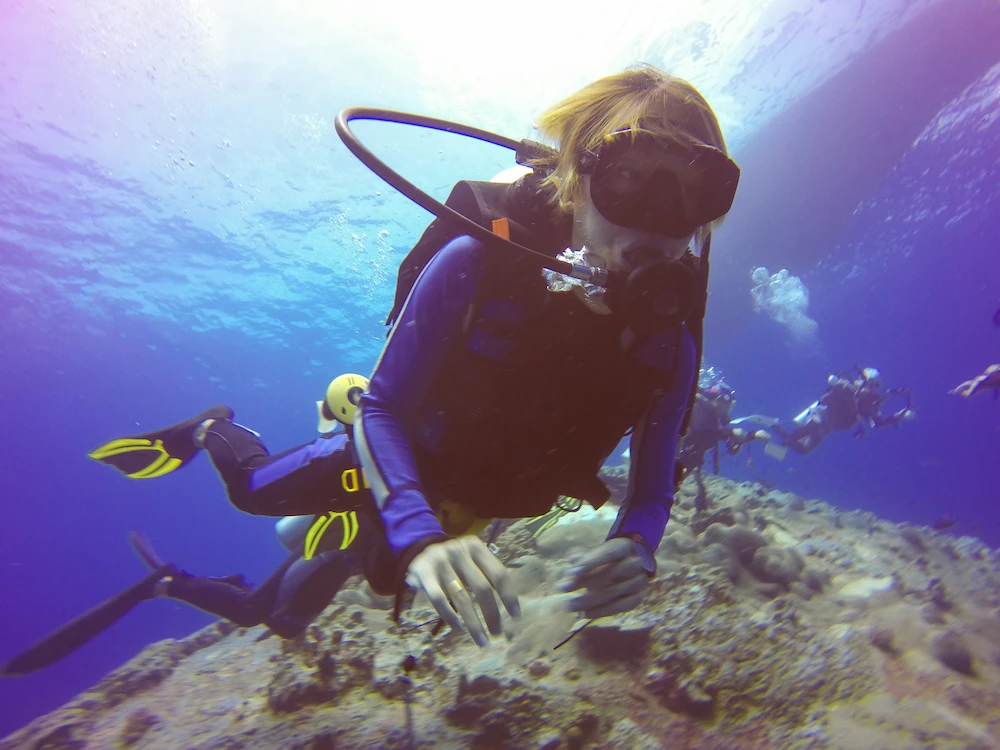
The Certification Question
Scuba certification through PADI or NAUI typically takes two to four days of coursework and pool sessions before open water dives. It’s a worthwhile investment if you plan to dive regularly. But if you’re visiting Islamorada for three days and diving isn’t something you’ll pursue after the trip, dedicating two of those days to certification training doesn’t make a lot of sense.
Some dive operators offer “discover scuba” or resort dives – brief supervised dives for uncertified guests. These can be a good option if you want a taste of what scuba feels like without committing to full certification.
Cost Comparison
Snorkeling tours in Islamorada typically run $65-$135 per person depending on duration and what’s included. Our snorkeling and sandbar combo – the most popular option for families – is $120-$135 for adults and $95 for children, and includes all gear, beverages, paddleboards, and sandbar time.
Scuba diving in the same area generally runs $100-$175 per person for a two-tank dive, not including equipment rental. Certification courses add to that cost significantly.
For a family of four, the cost difference between a snorkeling outing and a scuba charter is substantial – and snorkeling delivers excellent value precisely because Islamorada’s reefs are so productive at shallow depths.
What Most Visitors Actually Choose
The overwhelming majority of Islamorada visitors choose snorkeling, and it’s not because they don’t know scuba exists. It’s because snorkeling here genuinely delivers on the promise – world-class marine life, crystal-clear visibility, and an experience that works for every member of the group.
The guests who specifically seek out scuba in Islamorada tend to be certified divers who’ve planned their trip around the wrecks or want to explore deeper reef structure. That’s a real and worthwhile reason to dive. But for the visitor who wants to see the Keys underwater and bring the whole family along, snorkeling is the right call.
Can You Do Both on the Same Trip?
Yes, and it’s worth considering if you have a mixed group. A certified diver in the family can arrange a morning scuba charter, and then the whole group can join a snorkeling and sandbar tour in the afternoon. The two experiences complement each other well – depth and immersion from scuba, ease and fun from snorkeling.
For first-timers to the reef, our beginner’s guide to snorkeling covers everything you need to know before you get in the water, including gear tips, breathing technique, and what to expect.
Frequently Asked Questions
Can beginners snorkel in Islamorada?
Absolutely. Snorkeling requires no experience or certification, and our crew provides full instruction before anyone enters the water. The saltwater buoyancy helps with staying afloat, and the calm conditions at our reef sites make it accessible for first-timers.
How deep is the snorkeling in Islamorada?
The reef sites we visit sit at 7 to 17 feet deep. That’s shallow enough to see everything clearly from the surface and, for confident swimmers, to free-dive down for a closer look.
Do I need to know how to swim to snorkel?
Basic comfort in the water is helpful, but you don’t need to be a strong swimmer. Life jackets and flotation devices are available, and saltwater provides significant natural buoyancy. Our crew assesses conditions and supports guests at every comfort level.
Ready to explore Islamorada’s reef? Book your snorkeling tour online or call us at (305) 413-8307. We’ve been introducing guests to these reefs for nearly 15 years and love every minute of it.