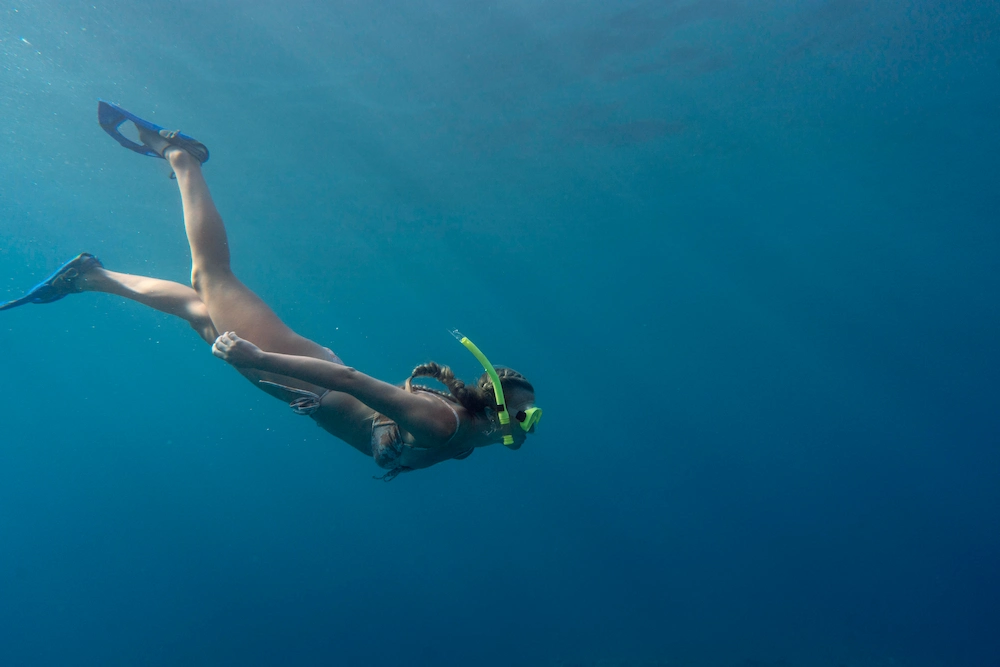
If you’re planning a snorkeling-focused trip and weighing the Florida Keys against the Bahamas, Cancun, Belize, or other Caribbean destinations, here’s an honest comparison. Islamorada holds up extremely well – and for many travelers, it’s the smarter choice once you factor in the full picture.
The Core Question: Is Florida Keys Snorkeling World-Class?
Yes, genuinely. The Florida Keys sit at the northern end of the third-largest barrier reef system in the world. Islamorada’s reef sites – including Alligator Reef and Cheeca Rocks – feature healthy coral structure, exceptional biodiversity, and warm clear water. These are not “good for the US” conditions. They’re competitive with the best reef snorkeling anywhere.
That said, different destinations offer different things. Here’s how the Keys compare to the most common alternatives travelers consider.
Florida Keys vs. the Bahamas
The Bahamas are an exceptional snorkeling destination – arguably the benchmark for accessible Caribbean reef experiences. Water clarity in the Bahamas, particularly in the Exumas and around Nassau’s outer islands, is often strikingly clear. Marine biodiversity is strong, and some sites offer encounters with nurse sharks and reef sharks in open water that are harder to replicate in the Keys.
Where the Florida Keys win is accessibility and cost. A Bahamas trip requires flights, often a ferry or small boat transfer to outer islands, and significantly higher total trip cost. The Florida Keys are drivable from Miami in 90 minutes. For visitors on the US mainland, Islamorada offers comparable reef quality without a passport, without connecting flights, and without the logistical complexity of an international trip.
For a family of four, the difference in total trip cost between an Islamorada snorkeling charter and a comparable Bahamas experience can run into the thousands of dollars. That’s a real consideration for most travelers.
Florida Keys vs. Cancun and the Mexican Caribbean
The Mexican Caribbean – particularly around Cozumel and the Mesoamerican Barrier Reef – is world-famous for snorkeling and diving. Cozumel in particular has some of the most spectacular wall diving in the Western Hemisphere, and the shallow reef systems around Akumal and Tulum are genuinely impressive for snorkelers.
The honest assessment: Cozumel’s reef biodiversity and coral health edges out the Florida Keys in some categories, particularly for deeper sites and wall formations. But for snorkeling specifically – shallow-water, surface-based reef exploration – Islamorada competes directly. The shallow reef systems at Alligator Reef and Cheeca Rocks offer comparable fish density and coral complexity to Akumal-area snorkeling, with similar visibility on good days.
The accessibility advantage again applies strongly here. A Cancun or Cozumel trip requires flights, resort costs, and the planning overhead of an international destination. Islamorada is a car ride from most of the Southeast US and a short flight from the Northeast and Midwest.
Florida Keys vs. Belize
Belize’s barrier reef system is spectacular and largely undeveloped, giving it an ecological integrity that more heavily visited Caribbean destinations have lost in some areas. The Great Blue Hole is a legendary dive site. Marine life encounters – whale sharks, manatees, reef sharks – can be more dramatic in Belize than in the Keys.
But Belize requires international travel, and the infrastructure for tourist activities, while improving, requires more planning than a domestic US trip. For the traveler whose primary goal is excellent reef snorkeling without the complexity of international logistics, the Keys deliver most of what Belize offers at significantly lower total cost and effort.
Where the Florida Keys and Islamorada Specifically Excel
A few things Islamorada does genuinely better than most Caribbean alternatives:
Shallow, Snorkeler-Friendly Reefs
Many world-famous Caribbean reef sites are spectacular at depth – meaning scuba territory. Islamorada’s best reef sites sit at 7 to 17 feet, making them ideal for surface snorkeling without any diving. You see more without working harder.
Sea Turtle Density
Sea turtle sightings at Islamorada reef sites are remarkably consistent. The combination of protected reef habitat, adjacent sea grass beds, and long-standing sanctuary protections has produced healthy resident turtle populations. Many snorkeling destinations in the Caribbean that once offered reliable turtle encounters now struggle due to habitat loss and boat traffic.
Operator Quality and Safety
US-based charter operations are subject to Coast Guard licensing, vessel safety requirements, and regulatory oversight that varies widely in international destinations. Booking a snorkeling tour in Islamorada with a licensed operator like Clearly Unique Charters means consistent safety standards, professional crew, and clear accountability. That matters, especially when traveling with children.
No Passport, No Flights, No Stress
For US mainland travelers, this is the most practical advantage. Islamorada is 90 minutes from Miami, three hours from Orlando, and a short flight from anywhere in the eastern US. The planning overhead is minimal compared to any international trip, which means more mental energy for actually enjoying the destination.
Where Caribbean Destinations Have an Edge
Being honest here matters. Some Caribbean destinations do offer things Islamorada can’t fully replicate:
Deeper wall diving and dramatic topography – like Cozumel’s walls or Belize’s Blue Hole – are scuba experiences that don’t translate to snorkeling but are genuinely world-class for certified divers. Coral health in some more remote Caribbean locations is also stronger than in parts of the heavily visited Florida reef system, which has seen bleaching pressure over recent decades.
And some travelers simply want to leave the country – the feeling of international travel, different culture, different language, different food. The Keys are distinctly American, which is a feature for some visitors and a limitation for others.
The Bottom Line
For most US travelers weighing a snorkeling vacation, Islamorada is the most practical choice for world-class reef access. The reef quality is genuine. The turtle encounters are consistent. The logistics are simple. And the total cost – when you factor in flights, hotels, and international trip overhead – typically favors the Keys by a meaningful margin.
If you’re specifically a certified diver chasing deep walls and dramatic topography, Cozumel or Belize may justify the extra planning. For families, beginners, and travelers whose primary goal is excellent reef snorkeling in accessible conditions, Islamorada belongs in the same conversation as the best Caribbean alternatives – not as a consolation prize.
Our snorkeling tours visit Islamorada’s best reef sites, with all gear, beverages, and expert guidance included. The snorkeling and sandbar combo adds exclusive sandbar time for the full Upper Keys experience. For more on timing and conditions, our seasonal snorkeling guide covers what to expect month by month.
Frequently Asked Questions
Is Florida Keys snorkeling better than Hawaii?
They’re different ecosystems rather than directly comparable. Hawaii offers dramatic lava reef formations and different species – green sea turtles and reef fish, fewer coral formations than the Keys. The Florida Keys’ Atlantic reef system offers stronger coral biodiversity and more fish species variety. Both are excellent; the right choice depends on which coast you’re traveling from.
How does Islamorada compare to Key West for snorkeling?
Islamorada offers more concentrated reef access closer to shore, with smaller crowds and a more personalized charter experience. Key West has more tourism infrastructure but more crowded reef sites. Our Islamorada vs Key West comparison covers this in detail.
Do I need a wetsuit for snorkeling in Islamorada?
Not typically. Water temperatures in Islamorada range from the low 70s°F in winter to the mid-80s°F in summer. Most guests are comfortable in a swimsuit year-round. A rash guard offers sun protection and a little warmth if you’re visiting in the cooler months.
Ready to experience Islamorada’s reefs for yourself? Book your snorkeling tour online or call us at (305) 413-8307. We think you’ll find these waters more than hold their own.