If the weather turns rough, a good tour operator adapts rather than just cancels, moving to calmer locations, adjusting the itinerary, or rescheduling when conditions are genuinely unsafe. In Islamorada, brief afternoon showers are common and rarely disrupt a trip, while serious weather is handled with safety as the priority. Here’s exactly what to expect.
Florida Keys Weather: What’s Normal
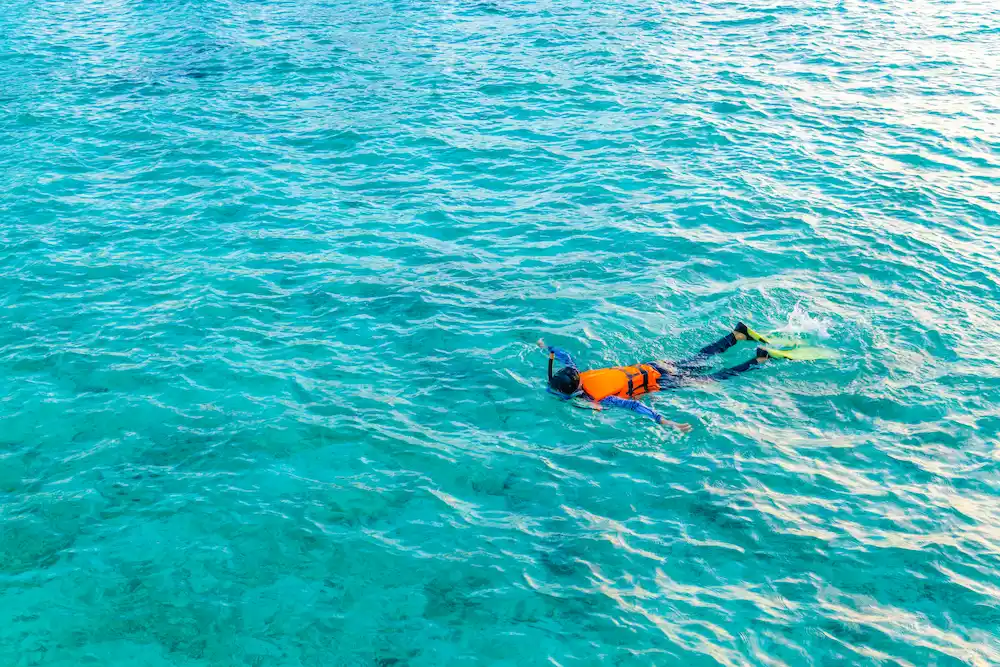
First, some perspective. The Florida Keys enjoy warm, sunny weather most of the year, but quick passing showers are a normal part of the climate, especially in summer. These afternoon showers often blow through in 15 to 30 minutes and are followed by sunshine. A little rain doesn’t end a tour, and snorkeling in light rain is perfectly pleasant since you’re getting wet anyway.
What affects a tour isn’t rain so much as wind, sea conditions, lightning, and storms. Understanding that distinction helps set realistic expectations. A cloudy or briefly rainy day can still deliver a fantastic experience on the water.
How Captain Matt Reads the Weather
Every trip starts with an assessment of current and forecasted conditions. Captain Matt brings nearly 30 years of marine experience and pilot training, which sharpened his ability to read weather systems, to this daily call. He looks at wind speed and direction, sea state, storm activity, and how conditions are likely to evolve over the duration of the tour.
This isn’t guesswork. It’s the same expertise that goes into choosing the day’s snorkeling location. The goal is always to put guests in the safest, most comfortable, most rewarding conditions available, and that often means adapting the plan rather than abandoning it.
Adapting the Trip: The First Response
When conditions aren’t ideal at a particular site, the first response is to adapt, not cancel. Islamorada’s geography offers a real advantage here, with both ocean-side reef and calmer bayside waters available depending on wind and sea state.
If the Atlantic reef is too choppy or windy, Captain Matt can move to sheltered bayside snorkeling locations that stay calm and clear. If snorkeling conditions are marginal, he might extend sandbar time, where the protected, shallow water is enjoyable in a wider range of conditions. The flexibility built into the route means a less-than-perfect-weather day usually still delivers a great experience, just structured a little differently.
When a Trip Gets Rescheduled or Cancelled
Sometimes conditions genuinely don’t allow a safe or enjoyable trip, severe storms, dangerous wind, lightning, or small craft advisories. In those cases, safety comes first, always. No reef or sandbar is worth putting guests at risk.
When weather forces a change, the typical path is rescheduling to another day or time when conditions improve, which works well for guests with flexibility in their travel plans. For guests who can’t reschedule, operators generally work out a fair resolution. The specific cancellation and rescheduling terms apply to your booking, so it’s always worth confirming the details when you reserve, just give us a call at (305) 413-8307 with any questions.
Who Makes the Call?
The captain does, and that’s exactly how it should be. Weather decisions are made by the person with the experience and the responsibility for everyone’s safety, not by a schedule or a desire to avoid rescheduling. Captain Matt’s judgment about whether to go, where to go, or when to postpone is grounded in decades on these waters.
This is genuinely reassuring for guests. It means you’re never going to be taken into conditions that aren’t safe just to fulfill a booking. If the call is to go, you can trust the conditions are good. If the call is to adapt or postpone, you can trust there’s a real reason.
What You Can Do to Prepare
A few practical tips for weather-proofing your plans. If your schedule allows, book your tour for earlier in your trip rather than the last day, that way, if weather forces a reschedule, you have buffer days to fit it in. Mornings often bring the calmest conditions, especially in summer when afternoon storms are more likely, so an early tour can be a smart choice.
Keep an eye on the forecast as your trip approaches, but don’t over-rely on it, Keys weather is famously localized and changeable, and a gloomy forecast often gives way to a beautiful day on the water. And stay in touch with us; we’ll always give you an honest read on conditions.
For broader seasonal planning, including which months bring the most stable weather, our best time to visit guide and our hurricane season guide are both worth a read.

The Bottom Line
Bad weather doesn’t automatically mean a ruined trip. Most often, it means a brief shower that passes, or a slightly adapted itinerary that’s still a great day on the water. When conditions are genuinely unsafe, the trip is rescheduled with your safety as the priority. The flexibility of Islamorada’s waters and the experience behind every weather call mean you’re in good hands regardless of what the sky is doing.
Frequently Asked Questions
Do boat tours run in the rain?
Often, yes. Light rain and brief passing showers, common in the Keys, usually don’t disrupt a tour. You’re getting wet snorkeling anyway. Wind, storms, and lightning are what affect whether a trip runs, not light rain.
What happens if my tour is cancelled due to weather?
The typical path is rescheduling to a day with better conditions. For guests who can’t reschedule, operators work out a fair resolution. Confirm the specific terms for your booking when you reserve.
Who decides if the weather is too bad to go out?
The captain does, based on experience and a duty to keep everyone safe. Captain Matt’s nearly 30 years on the water inform every weather call, and safety always comes before fulfilling a schedule.
Have questions about conditions for your travel dates? Book online or call us at (305) 413-8307. We’ll give you an honest read and help you plan around the weather.