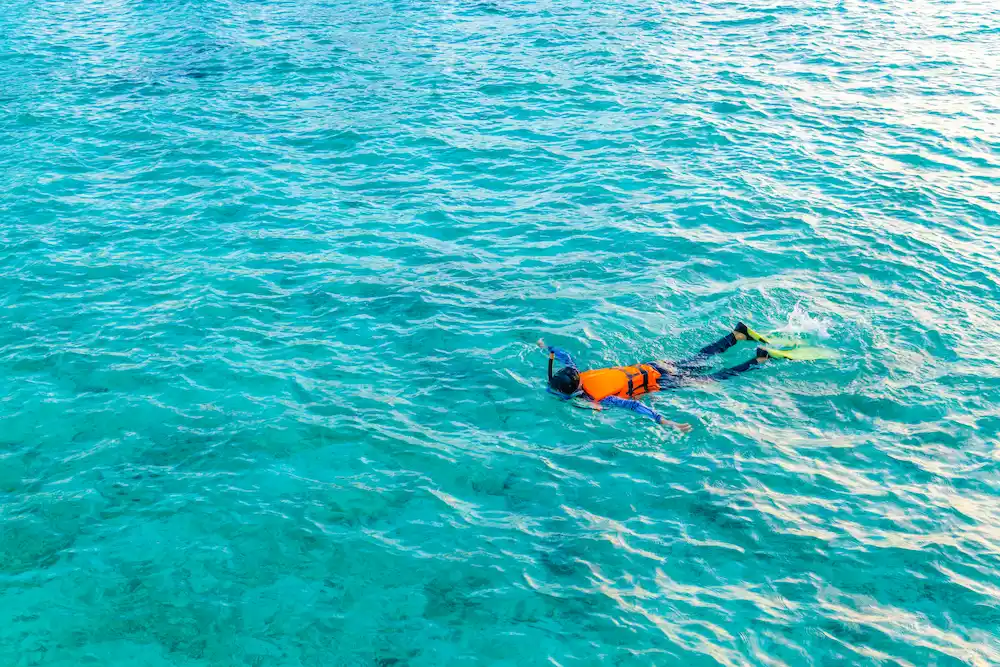
Oceanside snorkeling in the Florida Keys means the Atlantic side, where the coral reefs are, offering vibrant marine life but more exposure to wind and waves. Bayside means the calmer Gulf of America side, which is more sheltered and better on windy days. Neither is universally better; the right choice depends on the day’s conditions. Here’s how the two compare.
The Basic Geography of the Keys
Islamorada, like the rest of the Florida Keys, sits on a narrow strip of islands with water on both sides. To the east is the Atlantic Ocean, what locals call the oceanside. To the west is the Gulf of America, the bayside. The Overseas Highway runs down the middle, and everything in the Keys is described in relation to which side of it you’re on.
This two-sided geography is one of Islamorada’s biggest advantages for snorkeling. When conditions aren’t ideal on one side, the other is often calm and clear. Understanding the difference helps set expectations for where you might end up on any given trip.
Oceanside Snorkeling: The Reef Side
The coral reefs of the Florida Keys are on the Atlantic side. This is where the famous sites live, including Alligator Reef and Cheeca Rocks, sitting a few miles offshore in the warm Atlantic water. If you’re picturing classic Keys snorkeling, colorful coral, sea turtles, tropical fish, that’s oceanside.
What Makes Oceanside Special
The reef structure is the main draw. Oceanside sites offer the coral formations, the spur-and-groove reef topography, and the marine life density that make the Florida Keys a world-class snorkeling destination. The water tends to be clearer and a deeper blue, and the biodiversity is richer. Our coral reefs guide covers what you’ll find on these reefs in detail.
The Trade-Offs
Oceanside is more exposed. Because it faces open Atlantic water, it’s more affected by wind and swell. On windy days, oceanside reef sites can get choppy, reducing visibility and comfort. There can also be more current at some reef sites, which makes snorkeling a bit more work. These conditions are very manageable on calm days, but they’re the reason oceanside isn’t always the right call.
Bayside Snorkeling: The Sheltered Side
The Gulf of America side is generally calmer and more protected. The bayside doesn’t have the coral reef systems of the oceanside, but it offers shallow grass flats, patch reefs, and sheltered waters that stay snorkelable when the ocean is rough.
What Makes Bayside Valuable
Calm and clarity in tough conditions. When wind kicks up the Atlantic, the bayside frequently stays flat and clear. That makes it the go-to alternative on days when oceanside reef snorkeling wouldn’t be enjoyable. The shallow, protected water is also more approachable for nervous beginners and young children, gentler conditions, less current, and a more relaxed feel overall.
The Trade-Offs
You won’t find the dramatic coral reef structure of the oceanside on the bayside. The marine life is different, more grass-flat species, some patch reef life, rather than the vibrant coral reef ecosystem. It’s a genuinely good snorkeling experience, just a different one, and for guests specifically chasing the coral reef, oceanside remains the prize when conditions allow.
Side-by-Side: How They Compare
Here’s the quick comparison:
Marine life: Oceanside wins for coral reef biodiversity, turtles, and tropical fish. Bayside offers grass-flat and patch-reef species.
Water conditions: Bayside is calmer and more sheltered. Oceanside is more exposed to wind and swell.
Visibility: Oceanside is often clearer on calm days; bayside holds clarity better on windy days.
Best for beginners: Bayside’s calm, shallow water is often gentler for nervous first-timers, though calm oceanside days are excellent too.
Best for the classic reef experience: Oceanside, no contest, that’s where the coral is.
How We Decide Which Side to Snorkel
On any given day, the choice comes down to conditions. Captain Matt checks the wind, sea state, and forecast each morning and picks the side, and the specific site, that will offer the best experience. On a calm day, that’s almost always an oceanside reef. On a windy day when the Atlantic is churned up, bayside snorkeling delivers a calm, clear, enjoyable alternative rather than a rough, disappointing reef trip.
This is exactly the kind of decision covered in our post on how the day’s snorkeling spot gets chosen. The two-sided geography is what makes that flexibility possible, and it’s a big reason trips rarely get cancelled for conditions. There’s almost always somewhere good to snorkel.
What This Means for Your Trip
Practically, it means you should come with an open mind about where you’ll snorkel. If you have your heart set on the coral reef, book on a day with a calm forecast and understand that mornings are typically calmer than afternoons. If you simply want a great snorkeling experience regardless of the specifics, trust that Captain Matt will put you in the best available water that day, whichever side that turns out to be.
Either way, you’re getting Islamorada’s waters at their best for the conditions. Our snorkeling tour and snorkeling and sandbar combo both adapt to find the ideal spot.
Frequently Asked Questions
Is bayside or oceanside better for snorkeling in the Florida Keys?
Oceanside offers the coral reefs and richer marine life but is more exposed to wind. Bayside is calmer and better on windy days but lacks the coral reef structure. The best choice depends on the day’s conditions.
Where are the coral reefs, bayside or oceanside?
The coral reefs are on the oceanside, the Atlantic side, including famous sites like Alligator Reef and Cheeca Rocks. The bayside has grass flats and patch reefs rather than the coral reef systems.
Which side is better for beginners?
Bayside’s calm, shallow, sheltered water is often gentler for nervous beginners. That said, oceanside reefs on a calm day are also very beginner-friendly, and our crew supports guests of all levels.
Ready to snorkel Islamorada’s best water, whichever side that is? Book your tour online or call us at (305) 413-8307. We’ll find the calm, clear spot for the day.