Islamorada packs more into a few miles of island than most destinations manage across an entire region. Whether you’re drawn to the water, the wildlife, the history, or just a great meal with a view, the Upper Keys deliver on every front – and a boat tour is just the beginning.
Why Islamorada Stands Out in the Florida Keys
Nicknamed the “Sport Fishing Capital of the World,” Islamorada stretches across six islands between mile markers 73 and 90 along the Overseas Highway. What makes it special isn’t just one thing – it’s the combination of world-class marine access, laid-back charm, and a genuine community feel that the more tourist-heavy parts of the Keys can’t quite replicate.
Most visitors come for the water. But there’s a lot more going on above the surface too.
On the Water: The Heart of Islamorada
Let’s start where Islamorada truly shines. The reef system here is part of the Florida Keys National Marine Sanctuary, and it’s among the most accessible and spectacular in North America.
Snorkeling and Reef Exploration
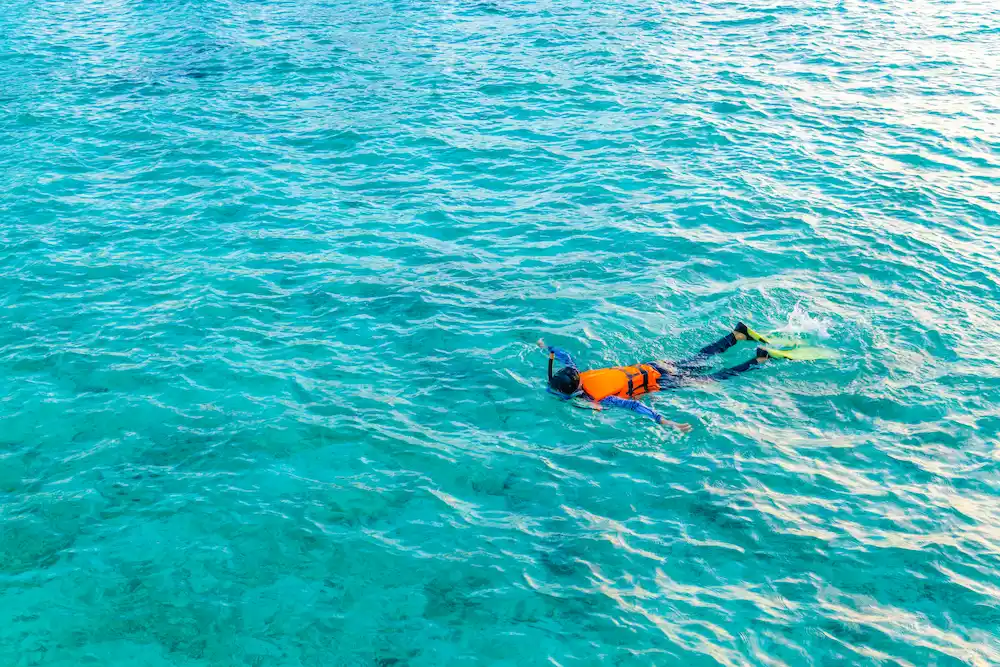
Sites like Alligator Reef and Cheeca Rocks sit within easy reach of shore, with depths of just 7 to 17 feet. That makes them perfect for snorkelers of all experience levels. You don’t need scuba certification to encounter sea turtles, parrotfish, angelfish, and living coral formations on a single outing.
Snorkeling tours with Clearly Unique Charters run two hours and include all gear, beverages, and expert instruction. The high-speed twin-hull vessel reaches remote reef locations that crowded half-day operators simply can’t access on a typical trip.
Sandbar Visits
Islamorada’s sandbars are something most first-time visitors don’t expect – and immediately love. Picture waist-deep, crystal-clear turquoise water, warm sun, paddleboards, and zero crowds. It’s the Florida Keys at their most idyllic.
The snorkeling and sandbar combo tour is the most popular offering for good reason. Families especially love it – kids can splash around freely while adults relax in conditions that put most hotel pools to shame.
Sunset Cruises on the Gulf
Florida Keys sunsets are legitimately world-famous, and the Gulf side of Islamorada is the place to watch them. Sunset cruises run 1.5 hours, include beverages, and give you front-row positioning on the water as the sky turns orange and pink. It’s a perfect closer to any day in the Keys.
Fishing
Sport fishing is in Islamorada’s DNA. The flats, backcountry, and offshore waters here are legendary among anglers. Backcountry guides target bonefish, tarpon, and permit on the flats. Offshore, mahi-mahi, sailfish, and tuna are the prize. Dozens of reputable fishing charters operate out of Islamorada year-round.
Kayaking and Paddleboarding
The calm backcountry waters behind the islands are ideal for kayaking and paddleboarding. Several outfitters offer guided eco-tours through the mangroves and into the National Wildlife Refuge. It’s a quieter way to experience the ecosystem – and you’ll often spot birds, rays, and small sharks in the shallows.
Wildlife and Nature Attractions
Theater of the Sea
One of the oldest marine parks in the world, Theater of the Sea has been operating in Islamorada since 1946. Guests can interact with dolphins, sea lions, and sea turtles in a natural lagoon setting. It’s a popular stop for families with younger children who want up-close animal encounters in an educational environment.
Anne’s Beach and Other Natural Areas
Anne’s Beach at mile marker 73.5 is a beloved local spot with a shallow tidal flat that’s ideal for wading. The wooden boardwalk winds through a restored hardwood hammock. Nearby, Lignumvitae Key and Indian Key offer boat-accessible state parks with hiking, history, and some of the most undisturbed native vegetation left in the Keys.
Robbie’s Marina
Feeding the tarpon at Robbie’s Marina is one of those only-in-Islamorada experiences. These massive fish congregate under the docks, and for a few dollars you can hand-feed them – or watch them leap dramatically for a free-thrown bait. The marina also hosts local artisan vendors, a casual waterfront restaurant, and kayak rentals.
History and Culture
History of Diving Museum
This is one of the most underrated museums in South Florida. The History of Diving Museum at mile marker 83 traces the full arc of human underwater exploration – from 16th-century diving bells to modern technical gear. The exhibits are genuinely fascinating, and the collection is internationally recognized. Plan at least an hour.
Florida Keys History of Diving and Maritime Heritage
Beyond the museum, Islamorada has a rich maritime past rooted in wrecking (salvaging ships), sponging, and fishing. The Florida Keys Memorial at mile marker 81.6 commemorates the Labor Day Hurricane of 1935, one of the most intense hurricanes ever to hit the United States. It’s a short but moving stop for history-minded visitors.
Shopping and Art
Islamorada has a genuine local arts scene. Rain Barrel Village at mile marker 86.7 is a laid-back artist village with studios, galleries, and a famous oversized lobster statue that’s practically a Keys landmark. You’ll find handmade jewelry, sculpture, paintings, and ceramics.
Along the Overseas Highway, you’ll also find a handful of independent shops selling everything from Keys-made hot sauce to local photography prints. It’s the kind of shopping that feels like the place itself rather than a souvenir strip.
Dining: Eating Well in the Upper Keys
The food scene in Islamorada punches well above its size. Fresh seafood is everywhere – and here it actually means caught-this-morning fresh.
Highlights include Islamorada Fish Company for waterfront casual dining, Marker 88 for elevated Florida cuisine, and Lorelei Restaurant and Cabana Bar for classic Keys atmosphere with live music at sunset. For something simple and local, the fish sandwiches at roadside spots like Bob’s Bunz or the Hungry Tarpon at Robbie’s are hard to beat.
How to Build Your Islamorada Itinerary
Most visitors have two to four days in Islamorada. A practical approach is to anchor the trip around one or two water experiences – snorkeling, a sandbar visit, or a sunset cruise – and fill in around them with land-based stops.
A sample two-day flow might look like this: arrive, check in, grab dinner at the waterfront. Day two, head out for a snorkeling and sandbar combo in the morning, afternoon at Robbie’s and Anne’s Beach, evening sunset cruise. Day three, History of Diving Museum, Rain Barrel Village, fishing or kayaking, departure dinner at Marker 88.
That covers a solid cross-section without feeling rushed.
Planning Tips
Islamorada sits at mile markers 73-90 on US-1, about 90 minutes from Miami and 90 minutes from Key West. There’s no public transit to speak of – you’ll need a car. Book water activities in advance, especially in high season (December through April). The shoulder seasons of May-June and October-November offer good conditions with fewer crowds.
If you’re staying at Cheeca Lodge or the Islander Resort, Clearly Unique Charters offers complimentary hotel pickup – one less thing to coordinate.
Frequently Asked Questions
How many days do you need in Islamorada?
Two to three days gives you enough time to experience the water, a few attractions, and good meals without rushing. One day is doable as a day trip from Miami or Key West, but you’ll miss a lot.
Is Islamorada good for non-swimmers?
Yes. Sandbar tours are ideal for guests who aren’t comfortable in deeper water – the water is waist-deep and calm. Sunset cruises, Robbie’s tarpon feeding, and land-based attractions require no swimming at all.
When is the best time to visit Islamorada?
The dry season from December through April offers the clearest water and most reliable weather. Summer is warm and more crowded. For our detailed seasonal breakdown, see our guide to the best time to visit Islamorada for snorkeling.
Ready to make the water the highlight of your Islamorada trip? Book your tour online or call us at (305) 413-8307 – we’d love to show you why we’ve called the Keys home for nearly 15 years.