
Hurricane season in the Florida Keys officially runs from June 1 through November 30, with peak activity occurring in August and September. While the term “hurricane season” sounds ominous, the statistical reality is that any specific location in the Keys experiences direct hurricane impacts rarely, often going years or even decades between significant storms. Understanding the actual risks versus perception helps visitors make informed decisions about travel timing and value.
Understanding Hurricane Season Basics
Hurricane season represents the period when tropical cyclones can form in the Atlantic Ocean, Caribbean Sea, and Gulf of America. Warm water temperatures during these months provide the energy hurricanes need to develop and intensify.
Peak vs Early and Late Season
The season divides into distinct periods with different risk levels. June and early July see relatively few storms, as water temperatures are just warming up. August through October represents peak season when storms form most frequently and can intensify rapidly. November sees declining activity as water temperatures cool.
This timing matters for trip planning. June visits carry minimal hurricane risk while still offering summer water temperatures and lower accommodation prices. November provides excellent conditions with minimal storm risk as the season winds down.
Statistical Reality of Hurricane Risk
Despite six months of official hurricane season, the actual probability of a hurricane affecting your specific Islamorada vacation dates remains quite low.
Historical Impact Frequency
The Florida Keys experience direct hits from major hurricanes roughly once every 10-15 years on average. This doesn’t mean storms don’t come closer or cause indirect effects more frequently, but truly impactful hurricanes remain relatively rare events for any given location.
For perspective, you’re statistically more likely to experience flight delays, car trouble, or illness during your vacation than to have a hurricane significantly impact your Florida Keys trip, even during peak hurricane season.
Modern Warning Systems
Hurricane forecasting has improved dramatically over recent decades. The National Hurricane Center now provides 5-7 day forecasts with reasonable accuracy, giving travelers and businesses ample warning when storms might threaten. This advance notice allows informed decision-making about travel plans.
What Happens If a Storm Approaches
Understanding procedures when tropical systems threaten helps reduce anxiety about hurricane season travel.
Weather Monitoring
We monitor weather conditions continuously during hurricane season. If a tropical system develops that could affect Islamorada during your visit, we’ll contact you proactively to discuss options and provide information.
Captain Matt’s pilot training and nearly 30 years of local experience mean he understands weather patterns intimately. His assessment of conditions helps guests make informed decisions about whether to reschedule, modify plans, or proceed as scheduled.
Advance Cancellation Windows
When storms threaten, Monroe County (which includes all of Islamorada) sometimes issues evacuation orders, typically 48-72 hours before expected impact. These mandatory evacuations close the Overseas Highway to inbound traffic, requiring visitors to leave.
Most accommodations and tour operators, including Clearly Unique Charters, provide flexible cancellation or rescheduling for verified storm threats. Travel insurance specifically covering named storms adds another protection layer for travelers concerned about potential losses.
Rescheduling Options
If weather forces tour cancellations, we work with guests to reschedule for later in their trip if time allows. For visitors who must depart before weather clears, we provide refunds or credits toward future visits. Our goal is ensuring guests don’t lose money due to weather beyond anyone’s control.
Benefits of Hurricane Season Travel
The perceived risk of hurricane season creates real benefits for travelers willing to accept the small statistical possibility of weather disruptions.
Significant Cost Savings
Accommodation prices during summer months (June through October) typically run 30-50% below winter high season rates. This substantial savings means couples and families can afford better hotels, longer stays, or more activities with the same budget.
Restaurant prices remain consistent year-round, but hotels, vacation rentals, and some tour operators discount during summer months. These savings can transform trip budgets significantly.
Fewer Crowds
Popular locations in Islamorada that feel crowded during winter become much more manageable during summer. Restaurants have shorter waits, our boat tours feel more spacious with lower passenger counts, and beaches provide more room to spread out.
This reduced crowding enhances the experience for travelers who value space and quieter atmospheres over guaranteed perfect weather.
Warmest Water Temperatures
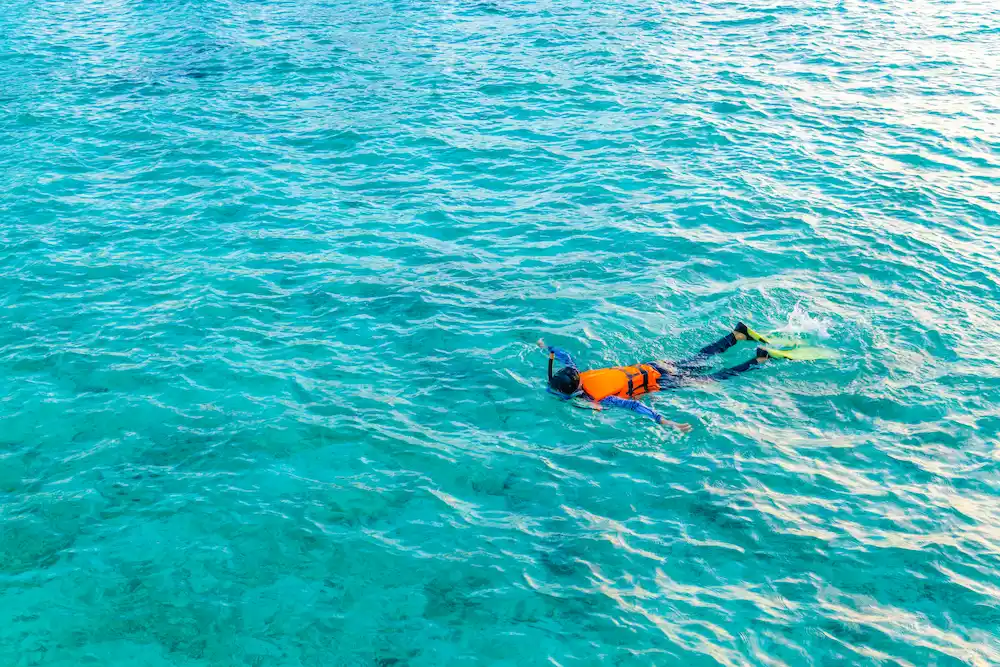
Summer water temperatures peak in the mid-80s, feeling like bathwater for extended snorkeling and swimming. Some winter visitors find 72-75 degree water in January and February slightly cool for prolonged immersion, while summer water feels perfectly comfortable for hours in the water.
Marine Life Activity
Warmer water increases fish metabolism and activity levels. Summer snorkeling often provides more active marine life encounters as tropical fish feed more actively and move around reefs more energetically.
Planning Around Hurricane Season
Strategic planning helps you capture summer’s benefits while minimizing weather-related risks.
Early and Late Season Sweet Spots
June and November represent optimal times for balancing good weather probability with summer pricing. These shoulder periods see fewer storms than peak months while maintaining most summer advantages.
June brings increasingly warm water as summer approaches, while November offers still-comfortable conditions as winter approaches. Both months provide excellent value and conditions.
Flexible Travel Dates
If possible, maintain some flexibility in your travel dates when booking summer trips. Being able to adjust by a few days either direction provides options if weather forecasts become concerning as your trip approaches.
Book accommodations and activities with clear cancellation policies. Most Islamorada businesses provide reasonable flexibility for storm-related cancellations, but confirming policies when booking prevents surprises.
Travel Insurance Considerations
Travel insurance specifically covering named storms provides financial protection if you must cancel or evacuate due to hurricanes. Standard travel insurance often excludes “known events,” so storms that have already formed when you purchase insurance might not be covered.
For maximum protection, purchase travel insurance immediately after booking your trip, before any storms threaten. This ensures coverage for any tropical systems that develop later.
What Summer Weather Actually Feels Like
Understanding typical summer conditions helps set realistic expectations separate from hurricane concerns.
Heat and Humidity
Summer in Islamorada is hot and humid. Daytime temperatures regularly reach the low-90s with high humidity. The ocean breeze provides some relief, but air conditioning feels necessary rather than optional during midday hours.
Morning boat tours avoid the worst afternoon heat. Our early departures mean you’re on the water during more comfortable morning temperatures, then back at your air-conditioned hotel before peak afternoon heat.
Afternoon Thunderstorms
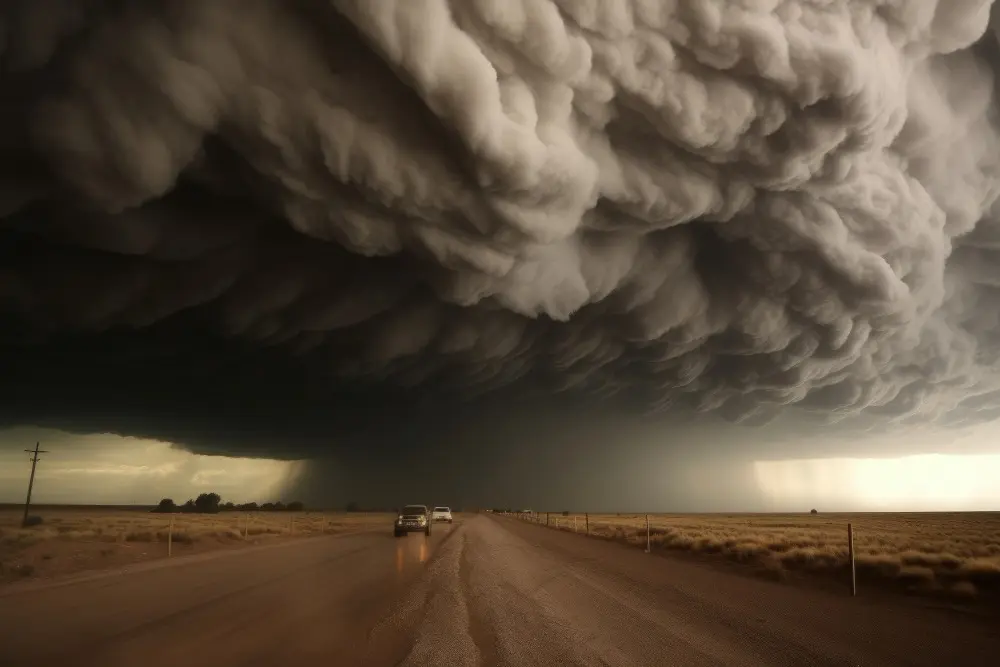
Summer brings frequent afternoon thunderstorms, typically brief but intense. These storms usually develop around 2-4pm, drop heavy rain for 30-60 minutes, then clear. They’re not hurricanes and rarely prevent outdoor activities – just schedule important activities for morning when possible.
These afternoon storms actually provide benefits, cooling temperatures and creating dramatic cloud formations that make for spectacular sunset photography.
Hurricane Preparedness in Islamorada
The Florida Keys have extensive experience with hurricanes, and preparedness systems work well to protect residents and visitors.
Building Standards
Post-Hurricane Andrew (1992), Florida implemented strict building codes for hurricane resistance. Modern structures in Islamorada can withstand significant wind and storm surge. Hotels, restaurants, and other buildings meet rigorous standards that provide safety during storms.
Evacuation Routes and Procedures
The Overseas Highway (US Route 1) serves as the only evacuation route from the Keys. When Monroe County issues evacuation orders, visitors must leave – staying is not an option. The single road means evacuations begin well in advance of storm arrival to prevent traffic bottlenecks.
Emergency Communication
Local authorities use multiple channels to communicate emergency information. Hotels provide updates to guests, and modern smartphone weather apps deliver real-time storm tracking and official warnings.
Post-Storm Recovery
If a hurricane does impact Islamorada, understanding recovery timelines helps with replanning.
Infrastructure Restoration
The Florida Keys prioritize tourism infrastructure in recovery efforts. Power, water, roads, and essential services typically restore quickly, often within days for moderate storms. Major hurricanes require longer recovery, but even after significant impacts, many tourism businesses reopen within weeks.
Rescheduling Considerations
If you must cancel due to an approaching storm, consider rescheduling for later in fall or winter rather than immediately after the storm passes. This gives businesses time to fully recover and ensures your rescheduled trip provides the full quality experience you expect.
Comparing Risk to Reward
Honest assessment of hurricane season travel weighs actual risk against real benefits.
Risk Assessment
The risk of your specific trip being significantly impacted by a hurricane remains low even during peak season. The inconvenience if a storm does threaten includes travel disruption, possible evacuation, and rescheduling hassles. Travel insurance mitigates financial losses.
Reward Assessment
The rewards include substantial cost savings, reduced crowds, warmest water, and excellent marine life viewing. For many travelers, particularly those with flexible schedules and travel insurance, the risk-reward calculation favors summer travel.
Making Your Decision
Choosing whether to visit Islamorada during hurricane season depends on your personal risk tolerance, budget priorities, and schedule flexibility.
Good Candidates for Summer Travel
Travelers with flexible schedules, those seeking value pricing, families wanting to avoid crowds, and visitors who’ve already experienced Islamorada during high season and want to see it in a different light all make good summer visitors.
Consider Winter Instead
Travelers with rigid schedules, those who can’t tolerate heat and humidity, visitors making once-in-a-lifetime trips, and people who strongly value guaranteed perfect weather should stick with winter high season despite higher costs and crowds.
Captain Matt’s Perspective
Captain Matt has operated through countless hurricane seasons over nearly 30 years in the Keys. His experience shows that the vast majority of summer days provide excellent boating conditions, spectacular reef snorkeling, and beautiful weather.
Storms happen occasionally, requiring schedule adjustments and flexibility. But the overall success rate of summer trips remains high, and guests who visit during this period consistently report excellent experiences and appreciate the value they received.
Plan Your Islamorada Visit With Confidence
Whether you choose summer’s value and warmth or winter’s guaranteed perfect conditions, Islamorada delivers spectacular experiences. Our snorkeling tours, sandbar adventures, and sunset cruises operate year-round, providing consistently excellent experiences regardless of season.
Questions about planning your trip or weather policies? Call us at (305) 413-8307 for honest information about what to expect. Book your Islamorada adventure with confidence knowing we’ll work with you to ensure great experiences regardless of what Mother Nature brings.